Policy Watch: Indonesia B50 Launch, India Import Curbs Reshape Palm Oil Demand
Indonesia's B50 rollout and India's Nepal import scrutiny shift palm oil trade flows and compliance dynamics.

A new edition every morning at sunrise over Jakarta (today, 06:03 WIB). Pick a front page to read the full paper — every edition is kept in the archive.
Malaysian CPO holds at $1,101/MT despite higher output; market weighs biofuel demand, Indian imports, and dry Kalimantan weather.
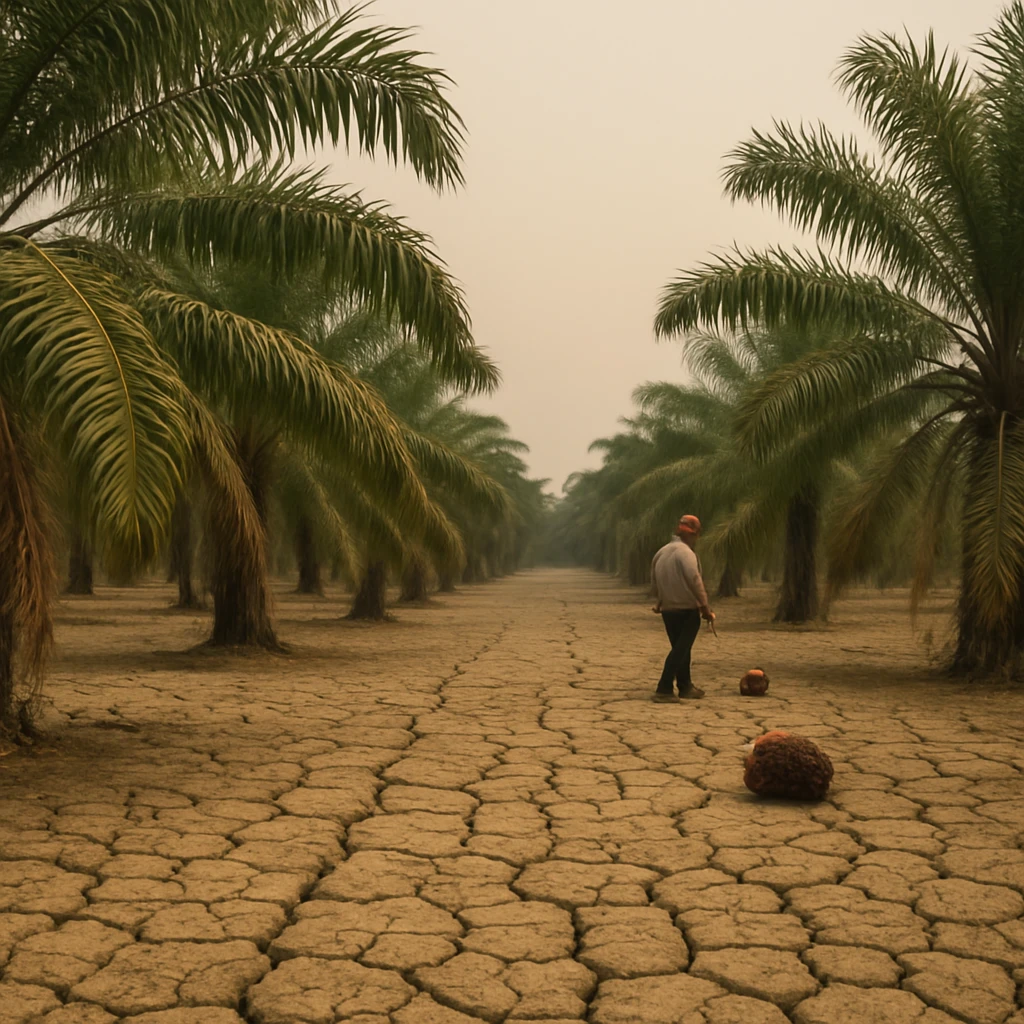
Malaysian crude palm oil futures settled at about $1,101 per metric ton (RM 4,498) on August 2, down 0.3% from the previous session, as the market consolidated after a crude-led rebound earlier in the week. The global benchmark hovered near $1,105, while Indonesia's reference price stood at about $1,030, reflecting a slight discount for the world's largest producer.
The latest MPOB data for June 2026 showed Malaysian CPO production at 1,638,777 tonnes, up 8.1% month-on-month, while closing stocks rose 3.7% to 1,332,697 tonnes. Exports increased 5.7% to 1,198,567 tonnes, but imports surged 135.3% to 103,113 tonnes, suggesting some arbitrage flows into Malaysia. The FFB reference price slipped 1.3% to RM 48.90.
These figures point to a well-supplied market, with peak production season underway. Stocks are building, which caps upside potential for prices in the near term.
Indian edible oil imports fell 30% in June, with palm and soybean oil shipments dropping sharply, according to industry data. However, reports indicate that imports are expected to surge from July through October as supplies tighten before the festive season. India is also seeking sunflower oil alternatives amid Black Sea disruptions, which could support palm demand.
Meanwhile, Indonesia's B50 biodiesel programme, launched in July, continues to underpin structural demand for palm oil as a fuel feedstock. The RBI has flagged biofuel production as a key driver of edible oil prices, linking it to Indonesia's mandate. Brent crude held steady at about $90 per barrel, keeping biodiesel economics broadly supportive.
ENSO conditions remain in El Niño territory, with an ONI of +1.0. Kalimantan is experiencing notably dry weather, which could threaten future production in Indonesia. However, current output remains robust, and the market is not yet pricing in supply stress.
The Indonesian rupiah slipped against the dollar, trading around 18,024 per dollar, pressured by weaker China manufacturing data. A softer rupiah can make Indonesian exports more competitive, but it also raises import costs for other buyers.
Our model outlook suggests CPO is in a near-term consolidation phase with a mild upward bias from seasonal firming and Indian demand. However, peak production and ample stocks are likely to cap gains. The market remains sensitive to crude oil movements, as well as any shifts in Chinese demand or currency dynamics.
Buyers should monitor the El Niño-driven dryness in Kalimantan, as any escalation could tighten supply expectations. Also watch Indian import pace ahead of festivals, and whether crude oil can sustain its rebound. Finally, keep an eye on the rupiah and ringgit exchange rates, which directly affect dollar-denominated prices.
Sources: Bitcoin World; ChemAnalyst; bernama; Oils & Fats International; Business Recorder; Finimize
Indonesia's B50 rollout and India's Nepal import scrutiny shift palm oil trade flows and compliance dynamics.
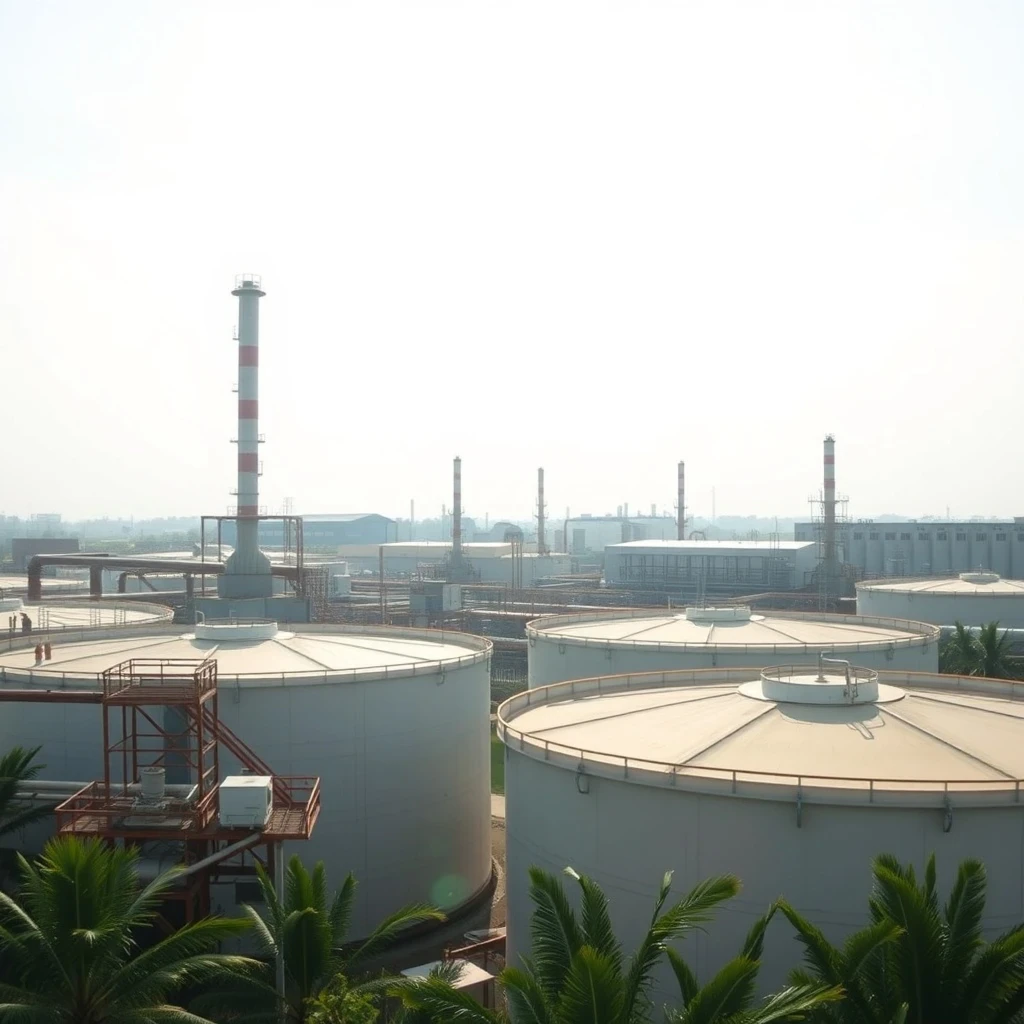
Palm oil markets are navigating a complex policy landscape as Indonesia's B50 biodiesel programme and India's import policy shifts reshape demand patterns.
Indonesia's B50 biodiesel programme
Indonesia officially launched its B50 biodiesel programme in mid-July, a significant step in the country's push to increase domestic palm oil consumption. The mandate, which requires a 50% palm oil blend in biodiesel, is expected to absorb a substantial portion of Indonesia's palm oil output, potentially tightening global export availability. However, the programme's success hinges on crude oil prices, which have recently fallen below $70 per barrel, undermining the economic competitiveness of biodiesel versus fossil diesel. Lower crude prices reduce the incentive for blending, and markets are repricing the biodiesel story accordingly. This dynamic could slow the pace of B50 implementation or require subsidies to sustain demand.
India's import policy concerns
In India, the central bank has linked the broad-based rise in edible oil prices to biofuel use, citing Indonesia's B50 mandate as a contributing factor. This has heightened concerns among domestic producers about import competition. The Indian Vegetable Oil Producers' Association (IVPA) has sought curbs on duty-free edible oil imports from Nepal, which have become a growing concern. Nepal, leveraging preferential trade agreements, can export refined palm oil to India duty-free, undercutting local refiners. The policy debate in India reflects broader tensions between domestic industry protection and trade commitments. Any restrictions on Nepalese imports could tighten supplies in the Indian market, potentially supporting regional palm oil prices.
Implications for buyers
For compliance-minded buyers, these developments underscore the need to monitor policy shifts closely. Indonesia's B50 mandate could reduce export availability, while India's import policy changes may alter demand patterns. The recent crude oil price slump adds another layer of complexity, as it affects the economic viability of biodiesel mandates and, consequently, the demand for palm oil in the energy sector. Buyers should also consider currency dynamics, as the rupiah's weakness against the dollar could influence Indonesian export competitiveness.
Market outlook
Our model outlook suggests CPO is in a near-term consolidation phase with mild upward bias from seasonal firming and Indian demand, but capped by peak production and ample stocks. The policy developments add uncertainty, with the crude-led rebound and China slowdown posing headwinds. Buyers should stay agile amid these shifting policy and energy dynamics.
Sources: AgroSpectrum India; livemint.com; livemint.com; Business Standard; Oils & Fats International
A neutral look at how palm stearin and tallow stack up on cost, performance, and supply for formulators.
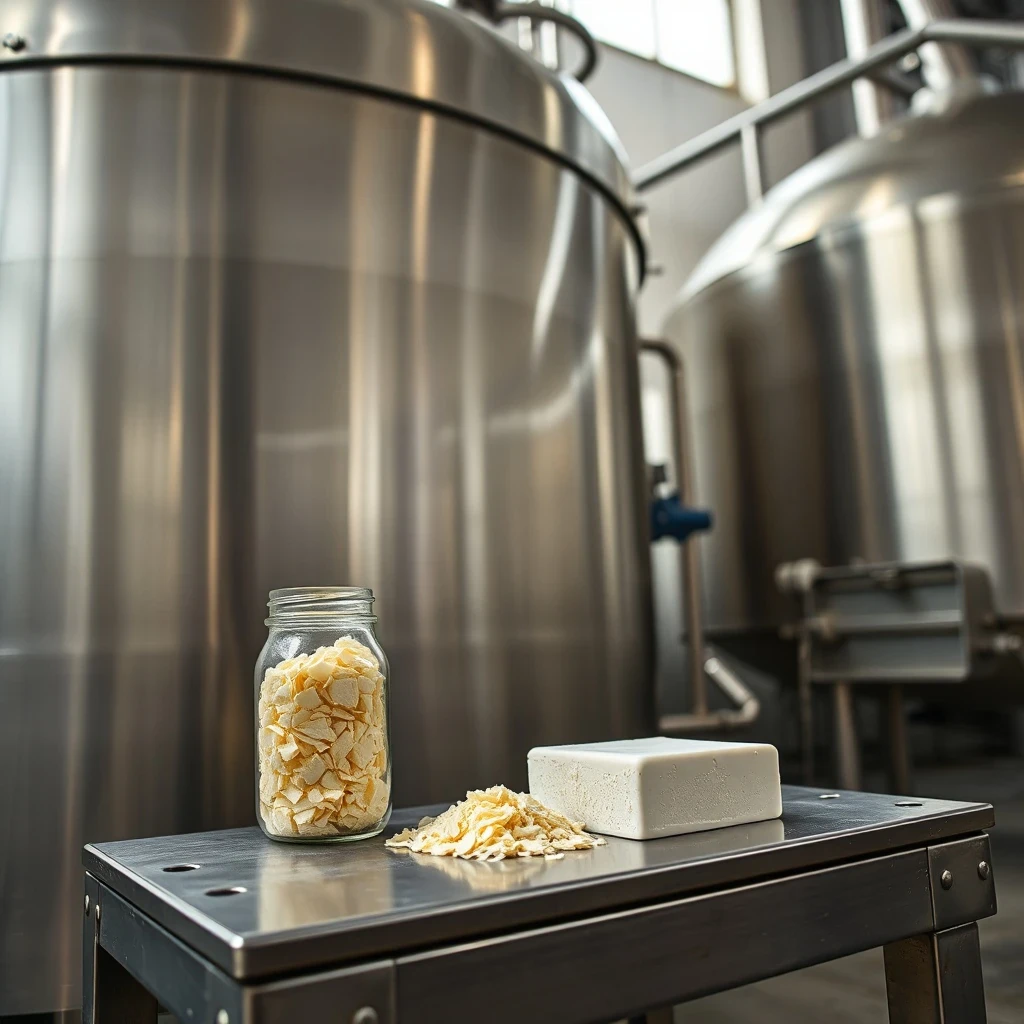
Industrial buyers choosing a hard fat often narrow the field to two very different options: palm stearin, the solid fraction of refined palm oil, and tallow, the rendered fat from animal processing. Both deliver the firm texture and melting profile that margarines, shortenings, frying fats, and specialty fats require, but they arrive at that function through different supply chains and with different trade-offs.
Palm stearin is a vegetable fat produced in large volumes in Southeast Asia, with output closely tied to the palm oil refining industry. Its price tends to track crude palm oil and is influenced by weather, planting cycles, and biodiesel demand. Tallow is a by-product of the meat industry, so its availability depends on livestock slaughter rates and rendering capacity. In many markets, tallow has historically traded at a discount to palm stearin, but that gap narrows when meat demand is weak or when biofuel mandates pull tallow into renewable diesel feedstocks. Buyers should watch both vegetable oil and animal protein markets, as they are increasingly linked through energy policy.
Palm stearin is highly versatile because its iodine value can be adjusted during fractionation, giving formulators a range of melting points and solid fat contents. It is neutral in flavor and color, which suits products where a clean taste is essential. Tallow offers a distinct beefy note and a steep melting curve, which can be an advantage in traditional frying applications but a drawback in neutral-tasting consumer goods. Tallow also tends to have better oxidative stability in some frying conditions, though both fats require proper refining and antioxidant management.
In bakery shortenings and puff pastry, palm stearin is often preferred for its consistent plasticity and lack of animal-derived connotations. Tallow remains a staple in institutional frying, certain biscuit fillings, and industrial pastry where its flavor profile is either acceptable or desired. Plant-based and halal-certified product lines generally rule out tallow, pushing those formulators toward palm stearin or other vegetable hard stocks. Conversely, operations seeking a low-cost, high-stability frying medium with a familiar taste may find tallow more economical.
Palm stearin faces scrutiny over deforestation and peatland conversion, though certified sustainable palm oil programs offer traceability options. Tallow avoids land-use concerns but raises animal-welfare and religious dietary questions, and its carbon footprint depends on livestock production systems. Regulations on trans fats have pushed both fats into re-formulation, as partially hydrogenated oils are phased out, making these natural hard fats more relevant.
Choose palm stearin when you need a neutral, adjustable hard fat for consumer-facing products or when plant-based and religious certifications matter. Choose tallow when cost is the priority, the flavor is compatible, and your supply chain can tolerate animal-derived inputs. In many cases, blending the two can optimize both cost and function, so trial work with your supplier is advisable before committing to a single source.
Our market desk connects serious buyers with vetted origin suppliers across Southeast Asia. Indicative pricing, specifications and shipment guidance — free of charge.
Get connected →Indonesia's B50 rollout and India's Nepal import scrutiny shift palm oil trade flows and compliance dynamics.
A neutral look at how palm stearin and tallow stack up on cost, performance, and supply for formulators.
Malaysian CPO holds at $1,101/MT despite higher output; market weighs biofuel demand, Indian imports, and dry Kalimantan weather.
Malaysian crude palm oil futures settled at about $1,101 per metric ton (RM 4,498) on August 2, down 0.3% from the previous session, as the market consolidated after a crude-led rebound earlier in the week. The global benchmark hovered near $1,105, while Indonesia's reference price stood at about $1,030, reflecting a slight discount for the world's largest producer.
The latest MPOB data for June 2026 showed Malaysian CPO production at 1,638,777 tonnes, up 8.1% month-on-month, while closing stocks rose 3.7% to 1,332,697 tonnes. Exports increased 5.7% to 1,198,567 tonnes, but imports surged 135.3% to 103,113 tonnes, suggesting some arbitrage flows into Malaysia. The FFB reference price slipped 1.3% to RM 48.90.
These figures point to a well-supplied market, with peak production season underway. Stocks are building, which caps upside potential for prices in the near term.
Indian edible oil imports fell 30% in June, with palm and soybean oil shipments dropping sharply, according to industry data. However, reports indicate that imports are expected to surge from July through October as supplies tighten before the festive season. India is also seeking sunflower oil alternatives amid Black Sea disruptions, which could support palm demand.
Meanwhile, Indonesia's B50 biodiesel programme, launched in July, continues to underpin structural demand for palm oil as a fuel feedstock. The RBI has flagged biofuel production as a key driver of edible oil prices, linking it to Indonesia's mandate. Brent crude held steady at about $90 per barrel, keeping biodiesel economics broadly supportive.
ENSO conditions remain in El Niño territory, with an ONI of +1.0. Kalimantan is experiencing notably dry weather, which could threaten future production in Indonesia. However, current output remains robust, and the market is not yet pricing in supply stress.
The Indonesian rupiah slipped against the dollar, trading around 18,024 per dollar, pressured by weaker China manufacturing data. A softer rupiah can make Indonesian exports more competitive, but it also raises import costs for other buyers.
Our model outlook suggests CPO is in a near-term consolidation phase with a mild upward bias from seasonal firming and Indian demand. However, peak production and ample stocks are likely to cap gains. The market remains sensitive to crude oil movements, as well as any shifts in Chinese demand or currency dynamics.
Buyers should monitor the El Niño-driven dryness in Kalimantan, as any escalation could tighten supply expectations. Also watch Indian import pace ahead of festivals, and whether crude oil can sustain its rebound. Finally, keep an eye on the rupiah and ringgit exchange rates, which directly affect dollar-denominated prices.
Malaysian benchmark holds above $1,100/MT despite peak output and crude slide; market weighs El Niño dryness against demand signals.
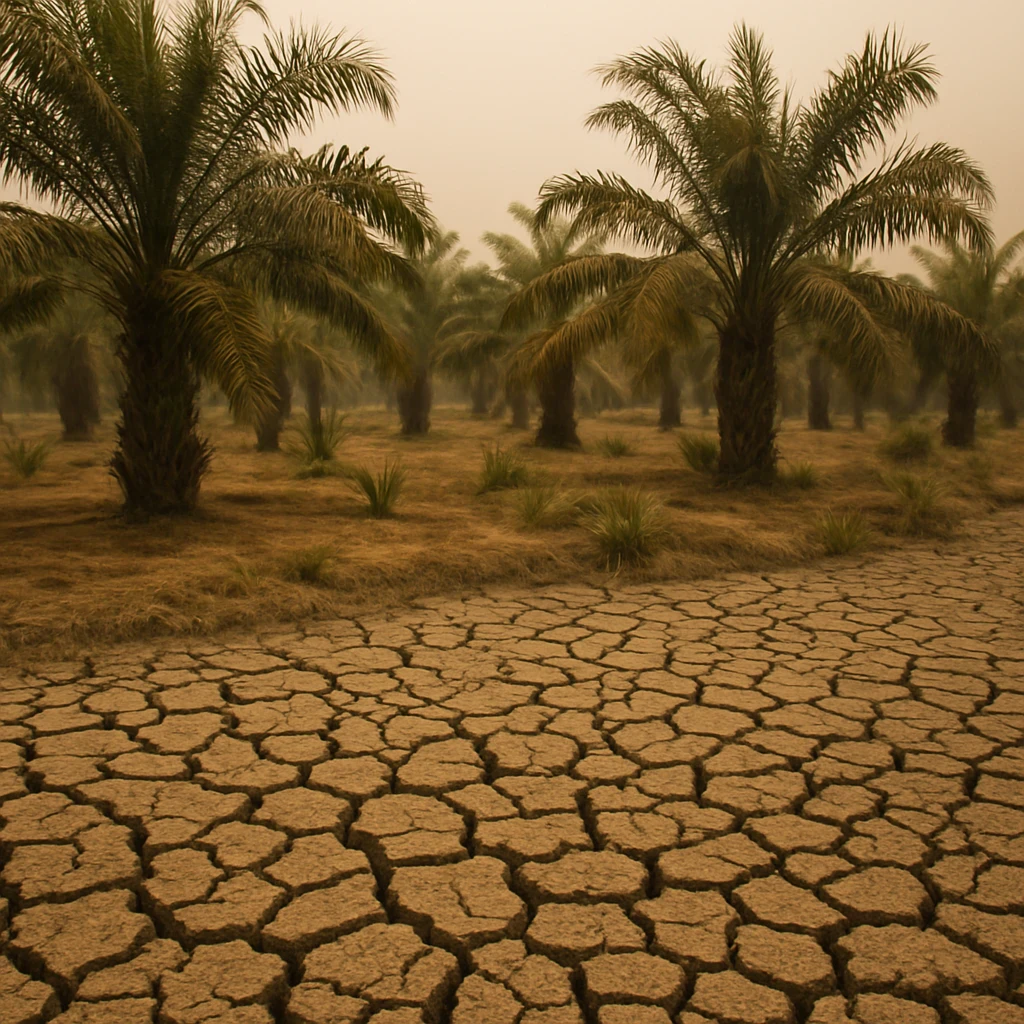
Malaysian crude palm oil futures settled around $1,101/MT (RM 4,498), down 0.3% from the previous session, as the market absorbed a mixed supply-demand picture. The global World Bank benchmark was near $1,105/MT, while Indonesia’s reference price stood at about $1,030/MT. Currency moves were muted, with the ringgit at 4.09 per dollar and the rupiah at 18,069 per dollar.
MPOB data for June 2026 showed Malaysian CPO production at 1,638,777 tonnes, up 8.1% month-on-month, in line with seasonal trends. Closing stocks rose 3.7% to 1,332,697 tonnes, while exports increased 5.7% to 1,198,567 tonnes. Notably, imports surged 135.3% to 103,113 tonnes, reflecting arbitrage opportunities from Indonesia. The FFB reference price slipped 1.3% to RM 48.90.
Weather remains a key watch point. The El Niño episode (ONI +1.0) has brought notably dry conditions to Kalimantan, raising concerns about future production in Indonesia. Our model outlook notes that while peak production is currently pressuring prices, El Niño dryness could tighten supply later in the year.
India, the world’s largest edible oil importer, saw a 30% drop in June imports, partly due to reduced palm and soybean shipments. However, reports suggest imports could surge from July to October ahead of festivals. India is also seeking sunflower oil alternatives amid Black Sea disruptions, which could support palm demand. Separately, Nepal’s duty-free edible oil exports to India are under scrutiny, potentially affecting trade flows.
Biofuel policy remains a wildcard. Indonesia’s B50 programme is expected to boost domestic palm consumption, but a sharp 6.9% slide in Brent crude over seven days to about $90/bbl has raised questions about biodiesel economics. The RBI has linked biofuel mandates to higher edible oil prices, adding to the policy debate.
Our model outlook suggests a mild bearish bias in the near term, with volatile daily moves. Pressures include the crude oil slump, peak production, and rupiah weakness. Support comes from the wide BOPO spread and El Niño dryness concerns. The market’s stale anchor and mixed demand signals keep confidence low.
Buyers should monitor crude oil price direction, any updates on India’s import policy, and weather developments in Kalimantan. Also watch for monthly export data and any shifts in Indonesia’s biodiesel mandate implementation.
Sources: ChemAnalyst; Bernama; Substack; Oils & Fats International; Business Recorder; ChemAnalyst
Indonesia's B50 mandate, Nepal tariff scrutiny, and crude oil weakness alter palm oil supply-demand dynamics.

Palm oil markets are navigating a complex policy and energy landscape this week, with developments ranging from Indonesia's aggressive biodiesel push to renewed scrutiny of regional trade flows. These factors are reshaping supply-demand balances and compliance considerations for buyers.
Indonesia's launch of its B50 biodiesel programme marks a significant escalation in the country's commitment to palm oil-based fuels. The mandate, which requires a 50% blend of palm oil in biodiesel, is expected to absorb a substantial portion of domestic palm oil supply, potentially tightening export availability. This move has drawn attention from central banks and analysts globally, with India's central bank citing Indonesia's B50 as a key factor in broader edible oil price increases. For compliance-minded buyers, this signals a need to monitor Indonesian export policies closely, as reduced export volumes could support global prices.
The recent sharp decline in Brent crude prices, which fell below $70 per barrel, has upended the biodiesel story. Lower crude oil prices make biodiesel less competitive against fossil fuels, potentially dampening demand for palm oil in energy markets. This has already pressured palm oil prices, with the Malaysian benchmark CPO easing to about $1101/MT. The market is repricing the viability of biodiesel mandates, especially in regions where blending economics are sensitive to crude prices. For buyers, this could mean softer near-term prices, but also increased volatility as markets reassess demand projections.
India's edible oil industry is raising concerns over duty-free imports from Nepal, which have surged to Rs146 billion, allegedly exploiting tariff advantages. Industry bodies like IVPA are seeking curbs on these imports, arguing they undermine domestic producers and distort trade. This issue highlights the complexities of regional trade agreements and their impact on palm oil demand. If India restricts these imports, it could alter demand patterns for refined oils, potentially affecting palm oil import volumes. Compliance-minded buyers should watch for policy changes that could shift trade flows in South Asia.
Our model outlook suggests a mild bearish bias for near-term CPO prices, driven by peak production season, a sharp Brent crude slide, and Indonesian rupiah weakness. However, support comes from a wide BOPO spread and concerns over El Niño-induced dryness in key growing regions like Kalimantan. With mixed demand signals and a stale anchor, daily moves are likely to be volatile. For buyers, this environment underscores the importance of flexible procurement strategies and close monitoring of policy developments in Indonesia, India, and global energy markets.
As the policy landscape evolves, palm oil's role in both food and fuel markets will remain a critical focus. The interplay between biodiesel mandates, crude oil prices, and trade policies will continue to influence supply-demand dynamics, making adaptability key for market participants.
Sources: The Kathmandu Post; AgroSpectrum India; livemint.com; livemint.com; Business Standard; Oils & Fats International
Malaysian CPO holds around $1,101/MT; MPOB June shows rising output and stocks; El Niño dryness and crude slide weigh.
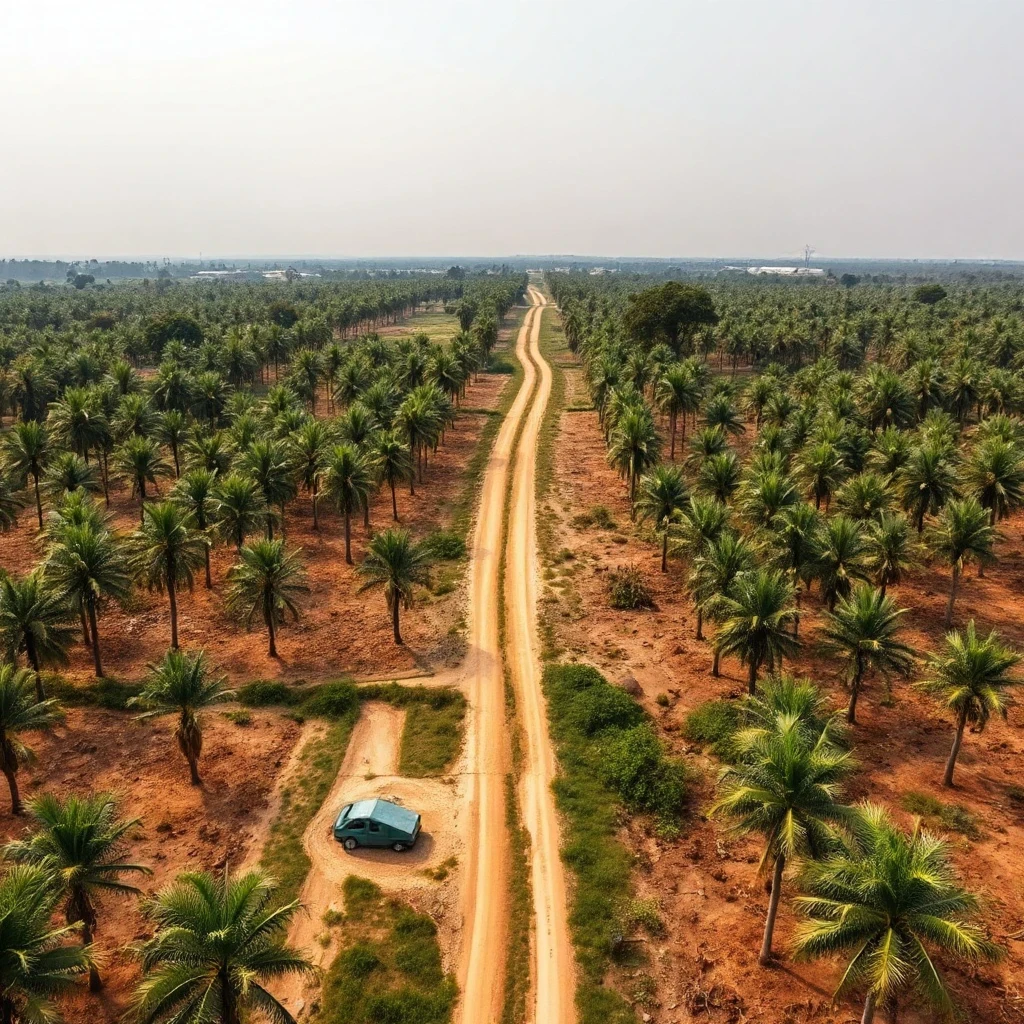
Malaysian crude palm oil futures settled the week near $1,101 per metric ton (RM 4,498), down 0.3% from the previous session. The global benchmark, as tracked by the World Bank, stood at about $1,105/MT, while Indonesia's reference price was set near $1,030/MT. Prices have been rangebound, with gains capped by seasonal supply pressure and losses cushioned by weather concerns.
Brent crude traded at about $90 per barrel, unchanged on the session, but our model outlook notes a sharp 6.9% slide over the past seven days. That drop undermines biodiesel blending economics, reducing the incentive for palm-oil-based fuel demand. In currencies, the ringgit held at 4.09 per dollar, while the rupiah weakened to 18,069 per dollar, adding pressure on Indonesian exporters' margins but potentially boosting competitiveness.
The Malaysian Palm Oil Board released June figures showing CPO production at 1,638,777 tonnes, up 8.1% from May, reflecting the seasonal peak. Closing stocks rose 3.7% to 1,332,697 tonnes, while exports increased 5.7% to 1,198,567 tonnes. Imports jumped 135.3% to 103,113 tonnes, likely due to arbitrage opportunities. The FFB reference price slipped 1.3% to RM 48.90. The stock build, though modest, aligns with the peak production narrative.
ENSO conditions are in El Niño territory, with the ONI at +1.0. Notable dryness in Kalimantan, a key Indonesian producing region, raises concerns about future yields. Our model outlook flags this as a supportive factor, though the full impact may take months to materialize.
Our model outlook sees near-term pressure from the crude slide, peak production, and rupiah weakness, but support from a wide BOPO spread and El Niño dryness. Stale anchoring and mixed demand signals keep confidence low; we expect a mild bearish bias with volatile daily moves.
Market participants will watch for any updates on Indonesian export levies or biodiesel mandates, as well as weekly export data from cargo surveyors. Seasonal patterns suggest continued high output, but weather developments in Kalimantan and crude price direction remain key swing factors. The ringgit's path and any shifts in China or India demand will also be monitored.
A practical guide for buyers to the hydrolysis process that turns palm stearin into oleochemical building blocks.

For procurement managers new to oleochemicals, the journey from a palm oil refinery to a fatty acid plant can seem opaque. One of the most common routes is fat splitting, a hydrolysis process that breaks triglycerides into their constituent parts. Understanding this step helps buyers specify products correctly and anticipate quality variations.
Palm stearin, the harder fraction of palm oil, is a common feedstock for splitting. The process uses water under high temperature and pressure to cleave the triglyceride molecule. The result is a mixture of free fatty acids and glycerine. No catalyst is required in the classic continuous high-pressure method, though some batch processes use a catalyst.
The output is then separated. The fatty acid layer is further distilled and fractionated to yield specific cuts, such as stearic acid. The glycerine-rich water phase is concentrated and purified to produce crude or refined glycerine.
Stearic acid from palm stearin is a waxy solid at room temperature. It is used in rubber processing, candles, cosmetics, and as a release agent. The C16/C18 ratio varies with the feedstock and fractionation, affecting melting point and hardness.
Glycerine from splitting is a clear, viscous liquid. It can be sold as crude (about 80% purity) or refined to USP grade. The refining route—distillation, bleaching, deodorization—determines the final quality and price.
Fat splitting is a mature, reliable technology. For buyers, the key is to align specifications with your end-use requirements and to understand how feedstock choices and process conditions shape the final product. With this foundation, you can negotiate more effectively and avoid costly mismatches.
Palm Oil Economics provides independent market intelligence to help buyers navigate these decisions with confidence.
A technical primer for buyers on how palm wax is made, why it matters commercially, and what to check when sourcing.
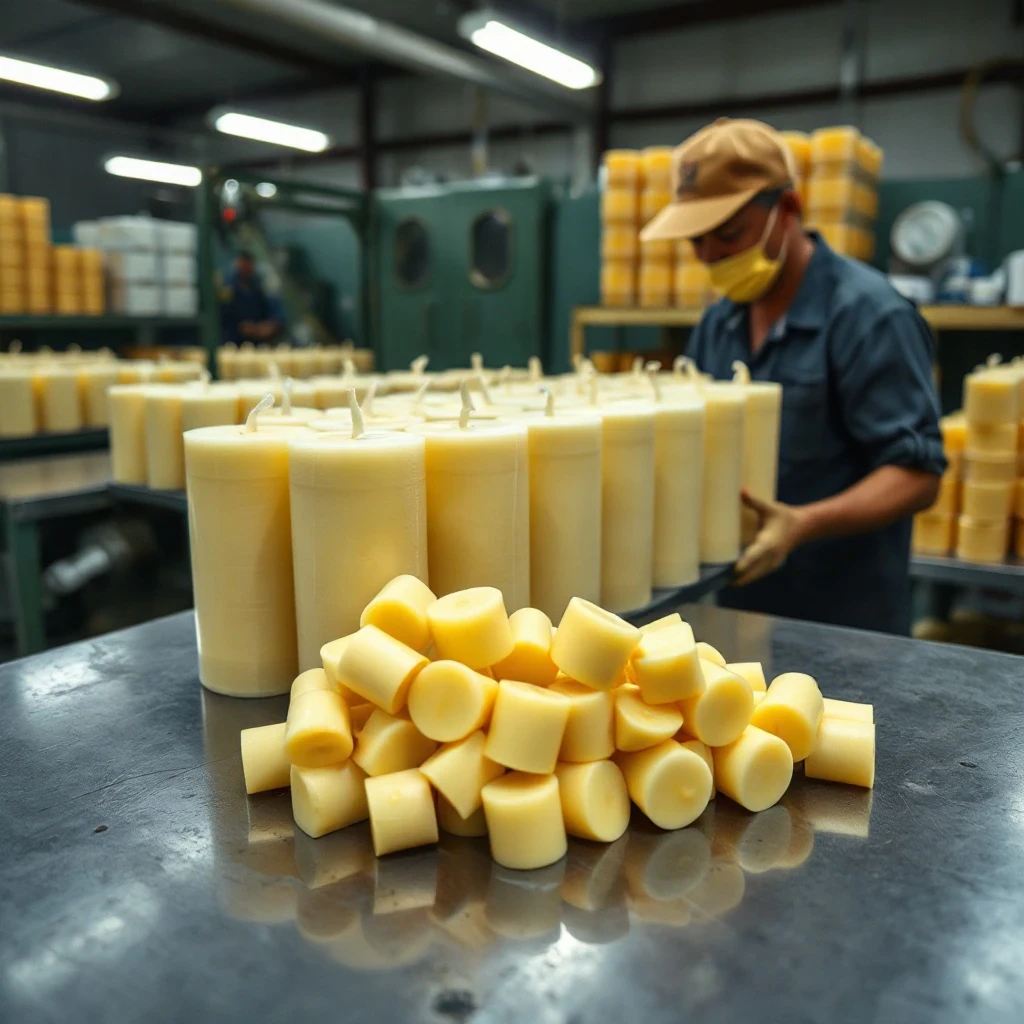
Palm wax is a fully hydrogenated palm oil product, distinct from the semi-solid palm stearin used in food. Through complete hydrogenation, the oil's unsaturated fatty acids are saturated, yielding a hard, brittle, high-melting-point fat. This base material is then fractionated or blended to achieve specific melting profiles, typically between 55°C and 62°C, which is the key to its candle-making utility.
The production route begins with refined, bleached, and deodorized palm oil. Full hydrogenation converts the oil into a fully saturated fat with an iodine value near zero. The resulting hard fat is then processed through one of two main paths: either it is gently fractionated to isolate a higher-melting stearin fraction, or it is blended with softer oils and additives. The final wax is often formed into flakes, pastilles, or slabs for ease of handling.
For candle use, the wax is typically blended with a small percentage of additives—such as stearic acid or a polymer—to improve fragrance retention, mold release, and burn characteristics. The melting point is tuned by blending with softer fractions or with vegetable oils like coconut or soy, allowing manufacturers to produce container candles, pillar candles, or tealights from the same base material.
Palm wax is prized for its hardness and high melting point, which give candles excellent dimensional stability in warm climates. It burns with a bright, steady flame and has a neutral scent profile, making it a strong carrier for fragrance oils. Compared to paraffin, palm wax is renewable and biodegradable, which appeals to buyers under pressure to meet sustainability targets. It is also typically less expensive than soy wax on a per-kilogram basis, though price varies with crude palm oil markets.
A key commercial advantage is its compatibility with existing candle-making equipment. Most paraffin or soy wax production lines can run palm wax with minimal adjustment, reducing switching costs for manufacturers. However, palm wax has a tendency to bloom—a white, powdery surface deposit—which some buyers may find undesirable. This can be mitigated with proper cooling rates and additives, but it remains a specification point.
When evaluating palm wax suppliers, focus on the melting point specification and the iodine value, as these determine performance. Ask for a certificate of analysis showing the drop point, penetration hardness, and color (typically a low Gardner number). Confirm the wax's origin and certification under the Roundtable on Sustainable Palm Oil (RSPO) or equivalent schemes, as this is increasingly a non-negotiable procurement requirement.
Check the wax's oil content—excess oil can cause smoking or poor fragrance throw. Request a small trial batch to test burn characteristics, including flame height, soot production, and fragrance release, under your specific wick and container conditions. Finally, verify the supplier's consistency across batches; palm wax can vary seasonally with crude palm oil quality, so a stable supply agreement with clear tolerances is essential for industrial buyers.
This space reaches palm oil buyers, traders and industry readers every day. Sponsorship and advertising enquiries are welcome — get in touch:
Indonesia's B50 mandate, Nepal tariff scrutiny, and crude oil weakness alter palm oil supply-demand dynamics.
Full story — Page 2 ▸Malaysian CPO holds around $1,101/MT; MPOB June shows rising output and stocks; El Niño dryness and crude slide weigh.
Full story — Page 2 ▸A practical guide for buyers to the hydrolysis process that turns palm stearin into oleochemical building blocks.
Full story — Page 2 ▸A technical primer for buyers on how palm wax is made, why it matters commercially, and what to check when sourcing.
Full story — Page 2 ▸Malaysian benchmark holds above $1,100/MT despite peak output and crude slide; market weighs El Niño dryness against demand signals.
Malaysian crude palm oil futures settled around $1,101/MT (RM 4,498), down 0.3% from the previous session, as the market absorbed a mixed supply-demand picture. The global World Bank benchmark was near $1,105/MT, while Indonesia’s reference price stood at about $1,030/MT. Currency moves were muted, with the ringgit at 4.09 per dollar and the rupiah at 18,069 per dollar.
MPOB data for June 2026 showed Malaysian CPO production at 1,638,777 tonnes, up 8.1% month-on-month, in line with seasonal trends. Closing stocks rose 3.7% to 1,332,697 tonnes, while exports increased 5.7% to 1,198,567 tonnes. Notably, imports surged 135.3% to 103,113 tonnes, reflecting arbitrage opportunities from Indonesia. The FFB reference price slipped 1.3% to RM 48.90.
Weather remains a key watch point. The El Niño episode (ONI +1.0) has brought notably dry conditions to Kalimantan, raising concerns about future production in Indonesia. Our model outlook notes that while peak production is currently pressuring prices, El Niño dryness could tighten supply later in the year.
India, the world’s largest edible oil importer, saw a 30% drop in June imports, partly due to reduced palm and soybean shipments. However, reports suggest imports could surge from July to October ahead of festivals. India is also seeking sunflower oil alternatives amid Black Sea disruptions, which could support palm demand. Separately, Nepal’s duty-free edible oil exports to India are under scrutiny, potentially affecting trade flows.
Biofuel policy remains a wildcard. Indonesia’s B50 programme is expected to boost domestic palm consumption, but a sharp 6.9% slide in Brent crude over seven days to about $90/bbl has raised questions about biodiesel economics. The RBI has linked biofuel mandates to higher edible oil prices, adding to the policy debate.
Our model outlook suggests a mild bearish bias in the near term, with volatile daily moves. Pressures include the crude oil slump, peak production, and rupiah weakness. Support comes from the wide BOPO spread and El Niño dryness concerns. The market’s stale anchor and mixed demand signals keep confidence low.
Buyers should monitor crude oil price direction, any updates on India’s import policy, and weather developments in Kalimantan. Also watch for monthly export data and any shifts in Indonesia’s biodiesel mandate implementation.
Malaysian CPO benchmark holds above $1,100/MT despite softer crude and higher output; buyers eye pre-festival restocking.
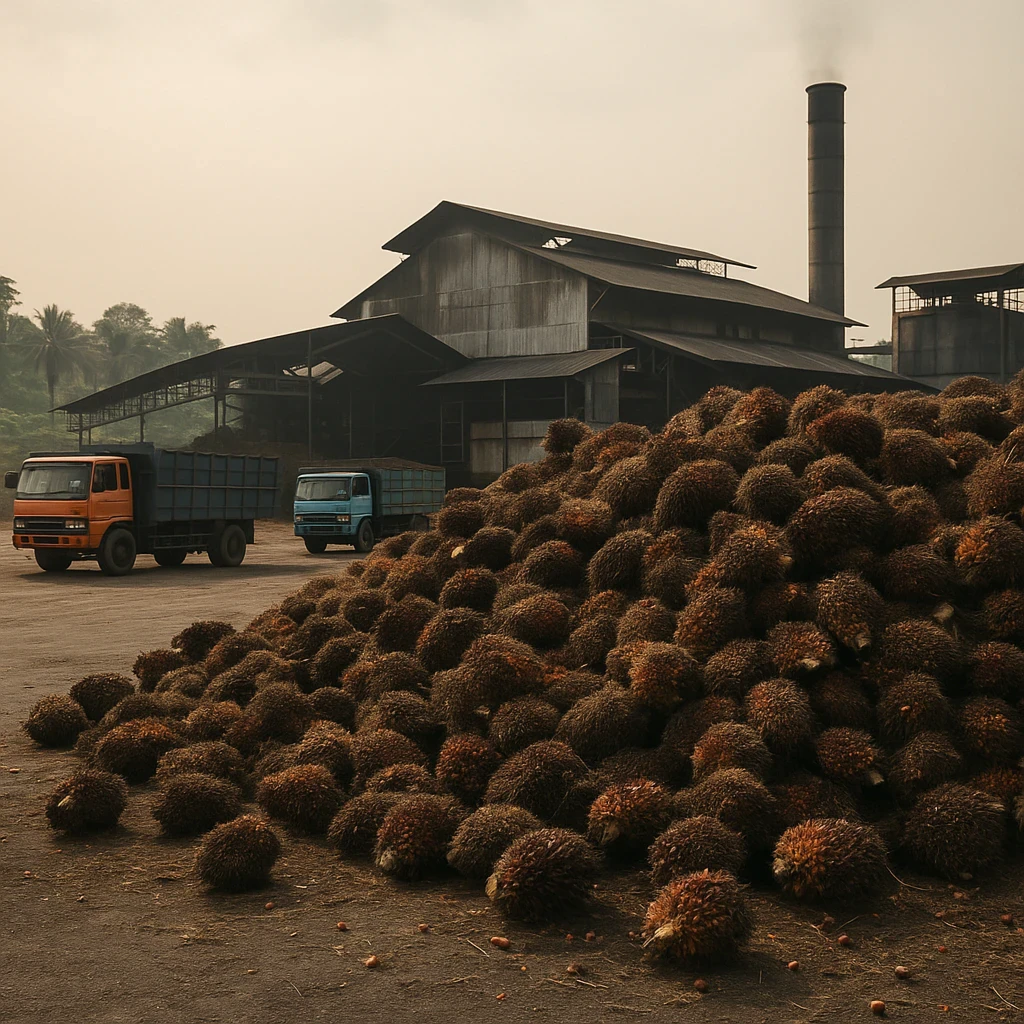
The Malaysian crude palm oil benchmark settled at about $1,101 per metric ton (RM 4,498) on 31 July, down 0.3% from the previous session. The global World Bank benchmark stood at roughly $1,105/MT, while Indonesia's reference price was around $1,030/MT. The narrow gap between Malaysian and Indonesian pricing reflects continued competition in export markets.
Malaysia's June 2026 MPOB report, released mid-July, showed CPO production at 1,638,777 tonnes, up 8.1% month-on-month. Closing stocks rose 3.7% to 1,332,697 tonnes, while exports increased 6.2% to 1,204,013 tonnes. Imports surged 135.3% to 103,113 tonnes, an unusual spike that may reflect arbitrage flows from Indonesia or temporary logistical adjustments. The FFB reference price eased 1.3% to RM 48.90, signalling softer fresh fruit bunch values at the farm gate.
Weather remains a key swing factor. The ENSO state is El Niño, with an ONI reading of +1.0, and notable dryness is reported in Kalimantan. Dry conditions in Indonesian growing regions can pressure yields in the coming months, though Malaysian production has so far trended higher. Buyers should watch whether El Niño intensifies into the fourth quarter, as that could tighten supply faster than current stock builds suggest.
India's edible oil imports fell 30% in June, but trade reports indicate imports are expected to surge from July through October as buyers rebuild inventories ahead of the festival season. This restocking window is a key support for near-term palm demand. Meanwhile, India is seeking sunflower oil alternatives amid Black Sea disruptions, which could redirect some demand toward palm and soy oils.
Indonesia's B50 biodiesel mandate, rolled out in July, continues to underpin structural palm demand. However, Brent crude fell 1.5% to about $88 per barrel, narrowing the incentive for biodiesel blending. A weaker crude complex tends to cap palm oil's energy-linked premium, and some analysts have flagged that a sharp oil decline could reprice the biodiesel story. The current wide BOPO spread, however, still favours blending economics.
The ringgit traded at about 4.09 per US dollar, while the rupiah was around 18,067 per dollar. A firmer ringgit can dampen export competitiveness for Malaysian palm, though the move has been modest. Palm futures have shown two-way volatility this week, rebounding on firmer crude and rival edible oils in some sessions, then slipping when energy prices weakened.
Our model outlook points to slight downward drift in a volatile regime. Near-term bearish pressure comes from softer crude, but support is visible from the wide BOPO spread, pre-festival restocking, and El Niño-related supply concerns. For buyers, the key signals are Brent's trajectory, Indonesia's B50 implementation pace, and any fresh MPOB data confirming whether the June stock build extends into July. Watch the ringgit and rupiah for currency-driven price swings, and monitor Kalimantan rainfall as the dry season progresses.
Sources: ChemAnalyst; Bernama; Oils & Fats International; Finimize; Business Recorder; UkrAgroConsult
Indonesia's B50 mandate lifts biodiesel demand while Nepal export scrutiny and crude weakness cloud the CPO demand picture.

Palm oil markets enter August with a policy backdrop that is pulling demand in opposing directions. Indonesia's formal launch of its B50 biodiesel programme, confirmed in mid-July, is the single most bullish structural development for palm oil consumption this year. The higher blend rate, which raises the share of palm-based methyl ester in diesel, is expected to absorb a significantly larger volume of domestic palm oil supply, tightening the exportable surplus from the world's largest producer.
For compliance-minded buyers, the B50 rollout adds a new layer of complexity to supply planning. With more crude palm oil diverted into the domestic energy pool, exporters may face tighter availability of certified sustainable material, particularly during peak blending months. Buyers with sustainability commitments should monitor how Indonesian authorities allocate feedstock between food, fuel and export channels, as this will influence both premiums and lead times.
The sharp decline in Brent crude, which fell around 1.5% to roughly $88 per barrel in the latest session, has complicated the biodiesel economics that underpin the B50 push. Lower crude prices narrow the incentive for biodiesel blending, as the fuel's competitiveness against conventional diesel weakens. This dynamic is already visible in market repricing, with recent commentary pointing to palm oil's rally stalling as oil prices slipped below $70 in some benchmarks, prompting traders to reassess the biodiesel story.
Our model outlook suggests near-term CPO faces bearish pressure from this crude weakness, but the wide spread between palm oil and gasoil, combined with pre-festival restocking, should provide a floor. The base case is for a slight downward drift in a volatile trading regime, with policy headlines likely to drive sudden swings.
On the trade policy front, India's scrutiny of duty-free edible oil imports from Nepal has emerged as a fresh concern. Reports indicate Nepal's Rs146 billion edible oil exports to India are being examined over tariff advantages, with Indian producers raising alarms about the impact of these preferential flows. If India tightens rules of origin or imposes safeguards, it could redirect refined palm oil trade routes, potentially easing competitive pressure on domestic Indian refiners while altering regional price dynamics.
For buyers, the key takeaway is that policy risk is now a two-way street. Indonesia's B50 mandate supports long-term demand, but crude oil volatility and trade-policy adjustments in South Asia could offset those gains in the near term. Staying agile on sourcing and contract timing will be essential as these forces play out.
Sources: The Kathmandu Post; AgroSpectrum India; livemint.com; livemint.com; Oils & Fats International; The Jakarta Post
A practical look at the biology and economics behind palm oil's unmatched land efficiency.
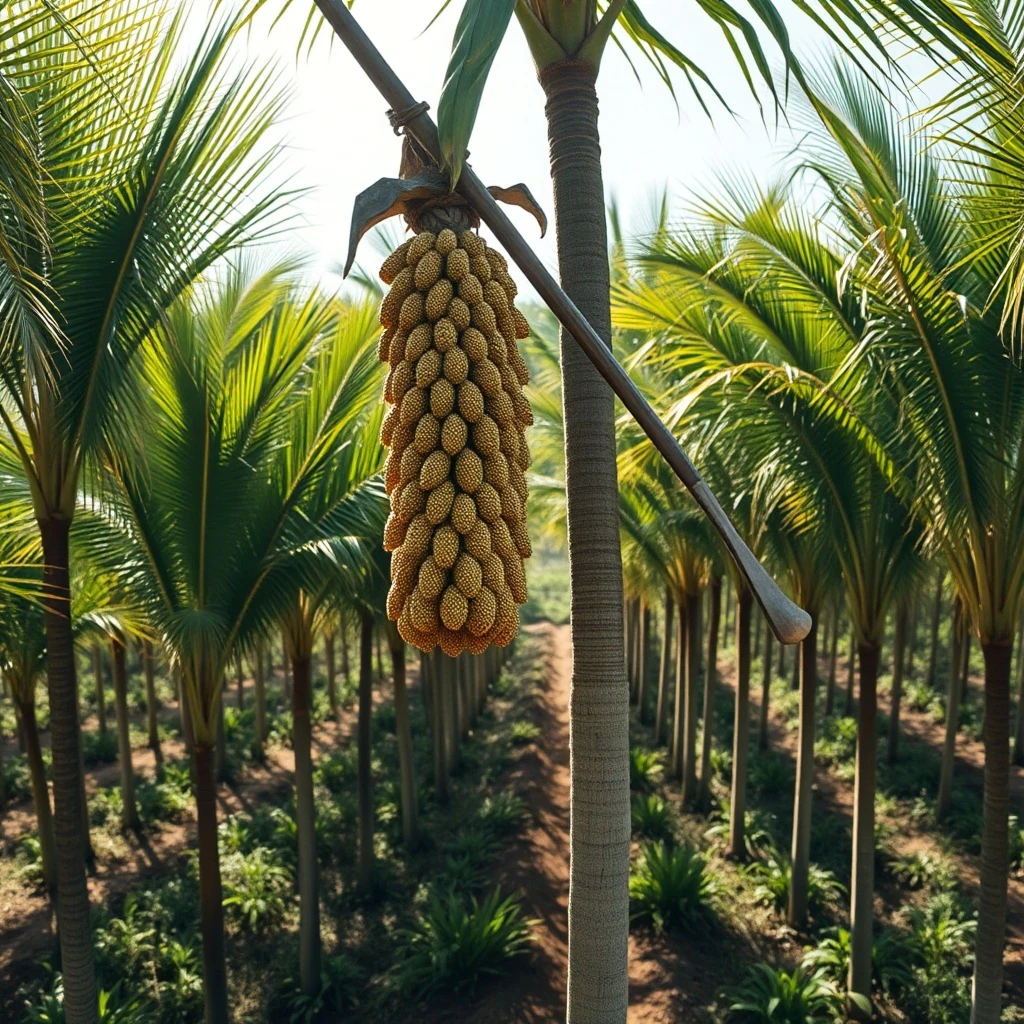
For procurement managers and first-time buyers, the single most important fact about vegetable oils is land use. Oil palm is the most productive oil crop in the world, and the gap is not marginal. On a per-hectare basis, oil palm produces roughly four to five times more oil than rapeseed, sunflower, or soybean. This is not a marketing claim but a function of plant biology and cultivation practice.
The oil palm is a perennial tree, not an annual field crop. While soybeans, rapeseed, and sunflowers must be replanted every season, a single oil palm tree continues producing for 25 to 30 years. Each tree bears multiple fruit bunches year-round, with peak production occurring between years 5 and 15. This continuous, multi-year harvest cycle means the plant spends far less energy on vegetative regrowth and far more on fruit and oil formation.
The oil palm fruit yields two distinct oils. The fleshy mesocarp produces crude palm oil, while the kernel inside the nut yields palm kernel oil. No other major oil crop offers this dual output from a single harvest. This effectively doubles the oil yield per hectare compared to crops that produce only seed or fruit oil.
A fresh oil palm fruit bunch typically contains about 20 to 25 percent oil by weight. In contrast, a soybean seed contains roughly 18 to 20 percent oil, and a rapeseed seed about 40 to 45 percent. However, the palm fruit's much larger biomass per tree and year-round fruiting far outweigh the higher oil concentration in small seeds.
For a buyer, the yield gap translates directly into land footprint. Producing one tonne of soybean oil requires about two hectares of farmland. The same tonne of palm oil needs only about 0.4 hectares. This efficiency is why palm oil is consistently the lowest-cost major vegetable oil on the global market, and why it dominates the edible oils trade.
Higher yield per hectare also means less land is needed overall to meet global demand. If all palm oil were replaced by soybean oil, the world would need roughly double the current oil-crop area. This is the central argument in favor of palm oil's land efficiency. However, the crop's expansion into tropical rainforest and peatlands has created serious environmental concerns, and buyers increasingly require certified sustainable sources.
For procurement, the yield advantage means palm oil offers price stability and supply security that other oils cannot match. But it also means your sourcing decisions carry a land-use footprint. Understanding the yield gap helps you negotiate better, compare life-cycle costs, and explain to stakeholders why palm oil remains the backbone of the global edible oils market.
Our market desk connects serious buyers with vetted origin suppliers across Southeast Asia. Indicative pricing, specifications and shipment guidance — free of charge.
Get connected →Indonesia's B50 mandate lifts biodiesel demand while Nepal export scrutiny and crude weakness cloud the CPO demand picture.
Full story — Page 2 ▸A practical look at the biology and economics behind palm oil's unmatched land efficiency.
Full story — Page 2 ▸Malaysian CPO benchmark holds above $1,100/MT despite softer crude and higher output; buyers eye pre-festival restocking.
The Malaysian crude palm oil benchmark settled at about $1,101 per metric ton (RM 4,498) on 31 July, down 0.3% from the previous session. The global World Bank benchmark stood at roughly $1,105/MT, while Indonesia's reference price was around $1,030/MT. The narrow gap between Malaysian and Indonesian pricing reflects continued competition in export markets.
Malaysia's June 2026 MPOB report, released mid-July, showed CPO production at 1,638,777 tonnes, up 8.1% month-on-month. Closing stocks rose 3.7% to 1,332,697 tonnes, while exports increased 6.2% to 1,204,013 tonnes. Imports surged 135.3% to 103,113 tonnes, an unusual spike that may reflect arbitrage flows from Indonesia or temporary logistical adjustments. The FFB reference price eased 1.3% to RM 48.90, signalling softer fresh fruit bunch values at the farm gate.
Weather remains a key swing factor. The ENSO state is El Niño, with an ONI reading of +1.0, and notable dryness is reported in Kalimantan. Dry conditions in Indonesian growing regions can pressure yields in the coming months, though Malaysian production has so far trended higher. Buyers should watch whether El Niño intensifies into the fourth quarter, as that could tighten supply faster than current stock builds suggest.
India's edible oil imports fell 30% in June, but trade reports indicate imports are expected to surge from July through October as buyers rebuild inventories ahead of the festival season. This restocking window is a key support for near-term palm demand. Meanwhile, India is seeking sunflower oil alternatives amid Black Sea disruptions, which could redirect some demand toward palm and soy oils.
Indonesia's B50 biodiesel mandate, rolled out in July, continues to underpin structural palm demand. However, Brent crude fell 1.5% to about $88 per barrel, narrowing the incentive for biodiesel blending. A weaker crude complex tends to cap palm oil's energy-linked premium, and some analysts have flagged that a sharp oil decline could reprice the biodiesel story. The current wide BOPO spread, however, still favours blending economics.
The ringgit traded at about 4.09 per US dollar, while the rupiah was around 18,067 per dollar. A firmer ringgit can dampen export competitiveness for Malaysian palm, though the move has been modest. Palm futures have shown two-way volatility this week, rebounding on firmer crude and rival edible oils in some sessions, then slipping when energy prices weakened.
Our model outlook points to slight downward drift in a volatile regime. Near-term bearish pressure comes from softer crude, but support is visible from the wide BOPO spread, pre-festival restocking, and El Niño-related supply concerns. For buyers, the key signals are Brent's trajectory, Indonesia's B50 implementation pace, and any fresh MPOB data confirming whether the June stock build extends into July. Watch the ringgit and rupiah for currency-driven price swings, and monitor Kalimantan rainfall as the dry season progresses.
Malaysian CPO edges up 0.2% to $1104/MT; MPOB data shows rising production and stocks while crude oil and biodiesel mandates lend support.
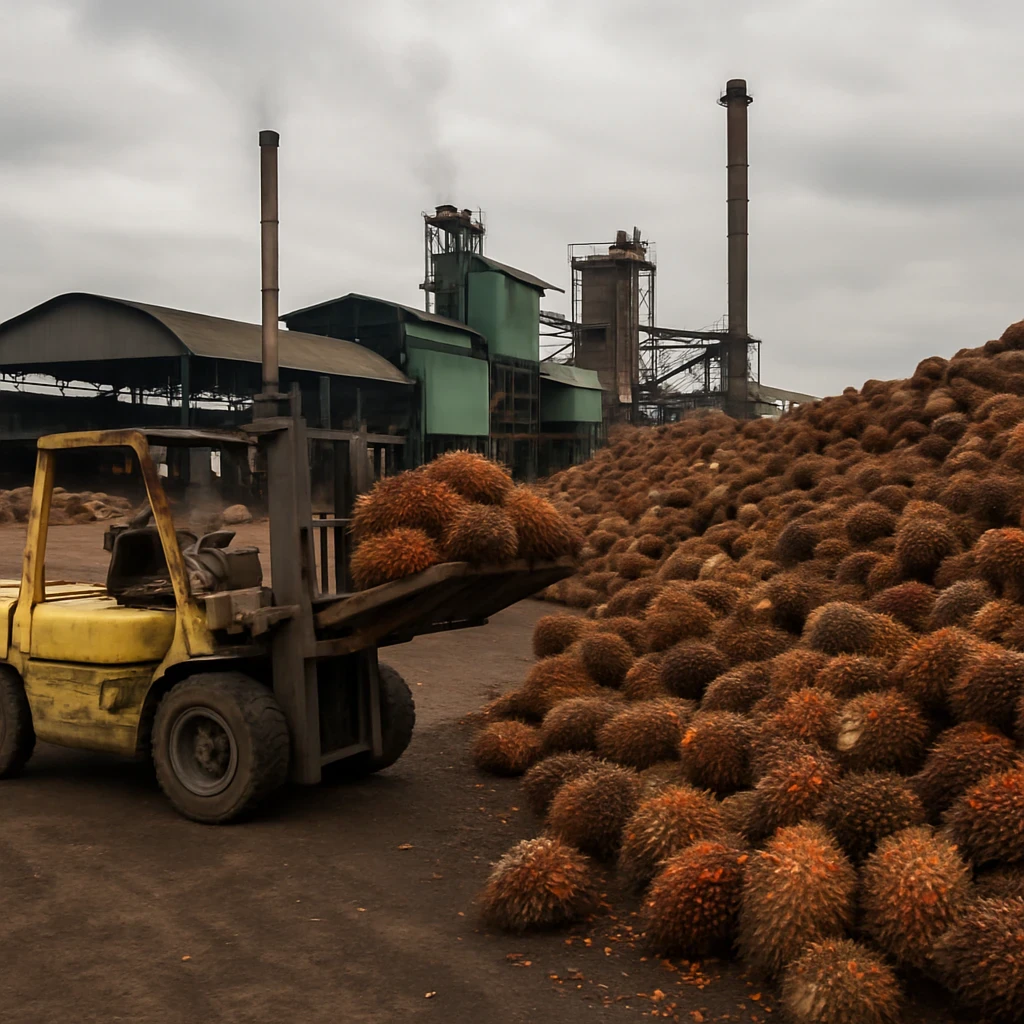
Malaysian crude palm oil futures held near the $1104/MT mark on Thursday, gaining 0.2% from the prior session as a firmer crude oil market and bargain buying provided a floor. The global benchmark stood at about $1105/MT, while Indonesia's reference price was set around $1030/MT. The ringgit traded at 4.09 per dollar, adding a layer of cost support for ringgit-denominated contracts.
The latest MPOB data for June 2026 showed Malaysian CPO production at 1,638,777 tonnes, up 8.1% month-on-month, pushing closing stocks to 1,332,697 tonnes (+3.7% MoM). Exports rose 6.2% to 1,204,013 tonnes, while imports more than doubled to 103,113 tonnes, reflecting active regional arbitrage. Fresh fruit bunch reference prices slipped 1.3% to RM 48.90. The ongoing El Niño (ONI +1.0) continues to bring dry conditions to parts of Kalimantan, though key growing regions in Malaysia have so far avoided severe stress.
Brent crude fell 1.3% to about $89/bbl, yet remained elevated enough to sustain biodiesel blending economics. Indonesia's rollout of the B50 biodiesel mandate — confirmed in recent weeks — underpins structural demand growth for palm oil as a fuel feedstock. However, India's edible oil imports dropped 30% in June, with palm and soybean oil shipments both declining sharply, capping near-term buying momentum. Reports of Nepal's duty-free edible oil exports to India also continue to stir tariff-arbitrage concerns among Indian crushers.
Our model outlook sees CPO trading in a choppy, slightly upward-biased range over the next seven days. A wide palm-soyoil spread is encouraging demand switching, while crowded speculative longs in the soy complex limit upside. Traders are positioning ahead of the mid-August MPOB release, which could inject additional volatility. The interplay between firm crude, biodiesel mandates, and ample Malaysian stocks will keep prices in a tight band.
Watch for further cues from crude oil direction and any shifts in Indian import pace ahead of the festival season. The B50 mandate in Indonesia remains a structural demand driver, but near-term price gains may be capped by high stocks and subdued Indian buying.
Sources: bernama; Substack; Oils & Fats International; The Kathmandu Post; NST Online; Business Recorder
Indonesia’s B50 rollout and rising regional mandates curb discretionary blending, while Nepal’s duty-free exports to India face scrutiny.
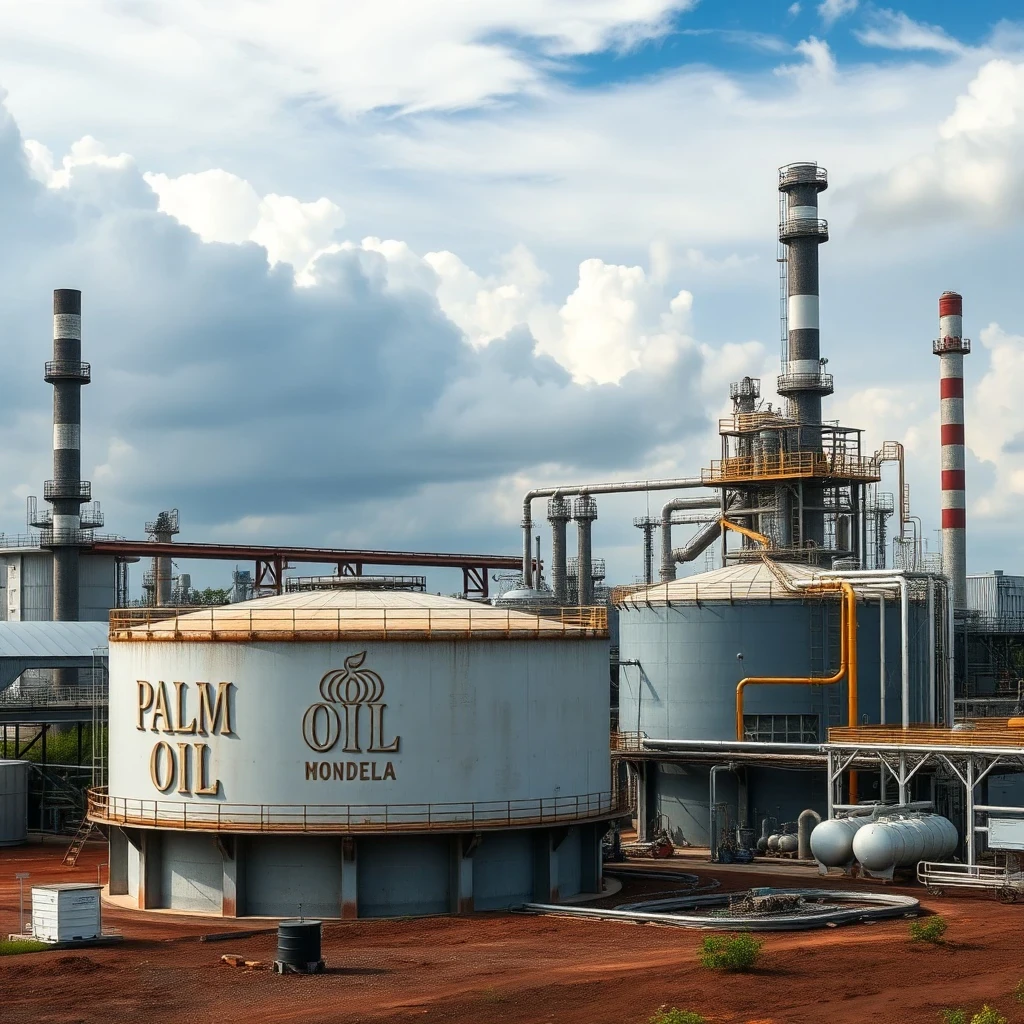
Southeast Asia’s biofuel mandates are tightening the palm oil supply outlook, with Indonesia’s B50 programme now operational and other Asian economies moving to raise their blend rates. The shift is reducing the volume of palm oil available for discretionary blending, as sources note that rising mandated use leaves little room for flexible allocation.
Indonesia formally launched its B50 biodiesel mandate in mid-July, requiring a 50% palm-oil-based biodiesel blend in diesel fuel. The policy is expected to lift domestic palm oil consumption by several million tonnes per year, tightening exportable supplies and providing a structural floor under CPO prices. The move has been flagged by India’s central bank as a key factor behind the broad-based rise in edible oil prices, with the RBI linking Indonesia’s mandate to global price spillovers.
Meanwhile, the sharp decline in crude oil prices — Brent crude fell 1.3% to around $89 per barrel in the latest session — has complicated the economics of biodiesel blending. A sustained drop below $70, as flagged in recent market commentary, would reduce the incentive for voluntary blending outside mandated programmes. However, because mandates are legally binding in Indonesia and increasingly elsewhere, the demand impact from lower crude is limited to non-mandated markets.
On the trade policy front, Nepal’s duty-free edible oil exports to India are under renewed scrutiny. Indian producers have raised concerns that refined palm oil products routed through Nepal are entering India at a tariff advantage, undermining domestic processors. The issue has gained traction in policy circles, with multiple media reports highlighting the tension between regional trade preferences and the need to protect India’s own refining capacity.
For compliance-minded buyers, the combination of rising Asian mandates and potential tariff adjustments in the Indian subcontinent means supply chains are facing both volume constraints and regulatory uncertainty. The MPOB’s June data showed Malaysian stocks rising to 1.33 million tonnes, offering some near-term buffer, but the structural demand shift from biodiesel policy is likely to keep the market tight over the medium term.
Our model outlook expects CPO to trade in a choppy, slightly upward-biased range over the next seven days, with support from crude oil’s recent rebound and a firm ringgit, while ample Malaysian stocks and a sharp decline in Indian June imports cap gains. Market positioning ahead of the mid-August MPOB release may add volatility.
Sources: The Kathmandu Post; AgroSpectrum India; Quantum Commodity Intelligence; livemint.com; Oils & Fats International; The Jakarta Post
Dry conditions in key Indonesian growing zones contrast with normal rains in Malaysia, pointing to lagged yield losses from the ongoing El Niño event.
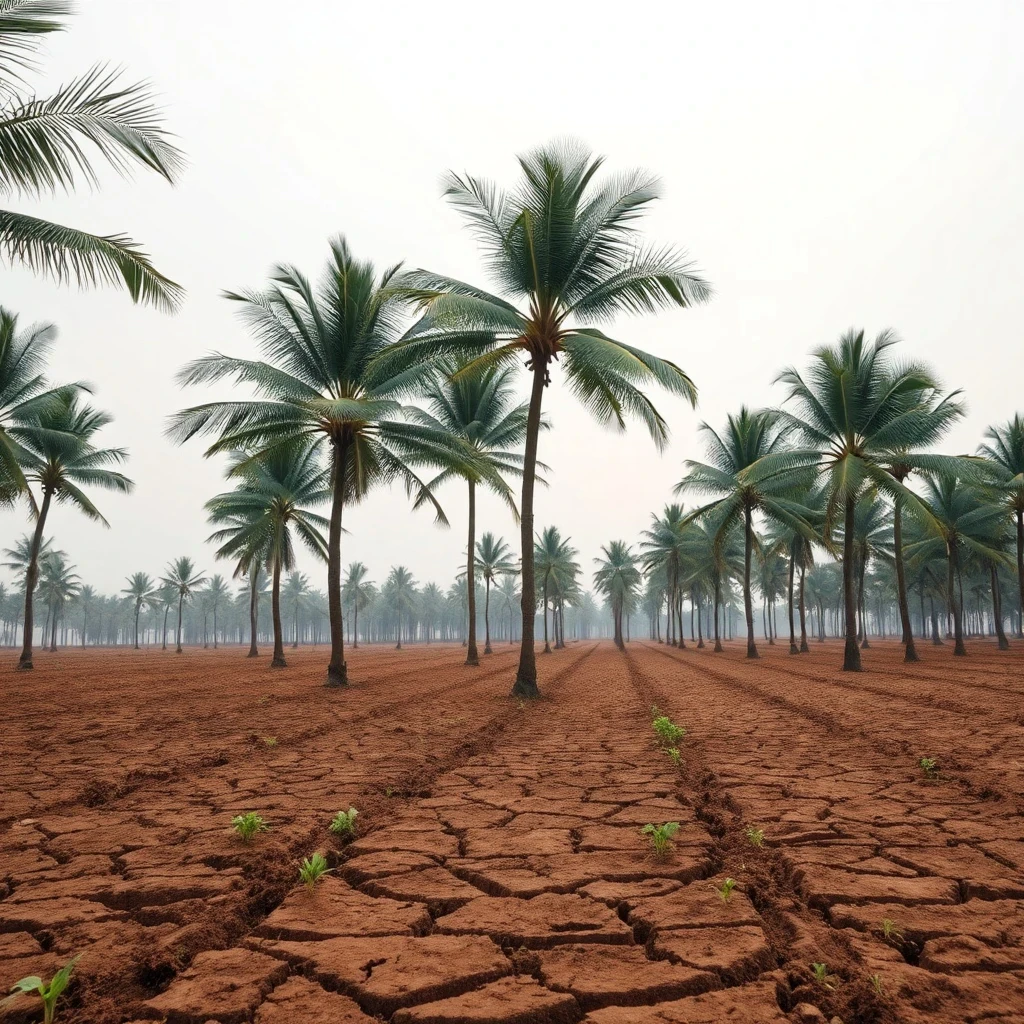
The current El Niño episode, with an ONI of +1.0, continues to influence rainfall patterns across the Malaysian and Indonesian palm belts, posing a mixed near-term outlook for fresh fruit bunch yields and harvest logistics.
Indonesia’s key producing region of Kalimantan is experiencing notably dry conditions, according to recent rainfall data. This is consistent with the typical El Niño footprint, which suppresses convective activity over parts of the archipelago. While the immediate impact on harvesting is limited—dry weather aids field access and fruit collection—the lack of soil moisture is a concern for fruit development over the coming months.
Palm oil yields respond to water stress with a lag of 6-12 months, as reduced rainfall during the flowering and fruit-set stages leads to smaller bunch weights at harvest. The current dryness in Kalimantan suggests that output from this region could face downward pressure in late 2026 and early 2027, particularly if the El Niño persists or transitions slowly.
In contrast, rainfall across Peninsular Malaysia and Sabah/Sarawak has been near normal in the past week. This supports ongoing harvesting and mill operations, though any sudden heavy downpours could disrupt collection and transport. Malaysian production is currently at seasonal peak, with MPOB June data showing CPO output of 1.64 million tonnes, up 8.1% month-on-month. Stocks have risen to 1.33 million tonnes, reflecting ample supply in the near term.
Sumatra, Indonesia’s largest palm-producing island, has seen a mixed rainfall pattern. Some areas received adequate precipitation, while others are beginning to show signs of moisture deficit. The region remains a key watch point; any sustained dry spell would amplify the lagged yield impact from the broader El Niño event.
Our model outlook expects CPO to trade in a choppy, slightly upward-biased range over the next seven days. A firm ringgit and recovering crude oil prices provide support, while ample Malaysian stocks and weaker Indian import demand cap gains. The wide palm-soyoil spread continues to encourage demand switching, but the underlying weather risk from El Niño could tighten fundamentals into late 2026.
Traders will watch the mid-August MPOB data release for confirmation of production trends. Any further deterioration in Kalimantan’s rainfall will reinforce the narrative of a lagged output decline, potentially supporting forward premiums. For now, the market remains balanced between near-term supply abundance and medium-term weather risk.
A practical guide to FFA, IV, M&I and colour for procurement managers entering the palm oil market.
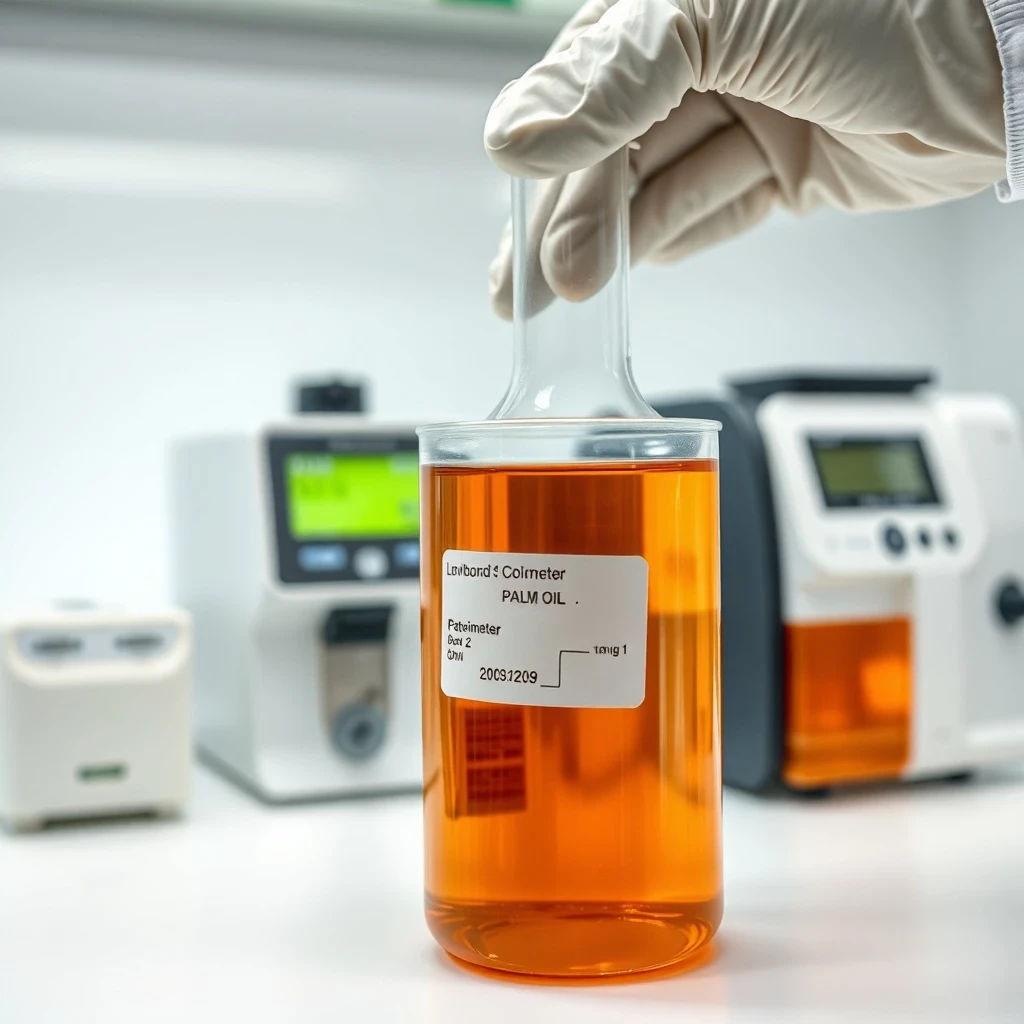
For first-time buyers of crude or refined palm oil, understanding a few core specifications is essential to avoid costly mismatches between delivered product and intended use. Palm oil is a commodity traded on physical characteristics, not just brand or origin. Four parameters — free fatty acid (FFA), iodine value (IV), moisture and impurities (M&I), and colour — form the foundation of most purchase contracts.
FFA measures the degree of oil breakdown. High FFA indicates hydrolysis, often from poor harvesting or storage. Crude palm oil (CPO) typically has an FFA of about 3-5%, while refined, bleached and deodorised (RBD) palm oil requires FFA below 0.1%. Buyers must specify the maximum FFA allowed at the time of loading; a higher FFA may mean a price discount or rejection. For food applications, low FFA is critical for shelf life and flavour stability.
IV indicates the degree of unsaturation in the oil, which correlates with melting point and hardness. Palm oil IV typically ranges from about 50-55. A higher IV means softer oil, better for liquid blends; a lower IV gives harder fat suitable for shortenings. First-time buyers should confirm the IV range that matches their end product. Mismatched IV can cause processing difficulties or final product defects.
M&I covers water content and solid contaminants like dirt, fibre or metal traces. Standard contracts for CPO limit M&I to a combined maximum of about 0.5%. Excess moisture promotes microbial growth and accelerates FFA rise; impurities can damage refining equipment. Buyers should insist on a certificate of analysis from an independent surveyor at loading and discharge.
Colour is assessed using the Lovibond scale (red units). CPO is typically dark red-brown, while RBD palm oil is specified at a maximum of about 3 red units. Colour affects marketability in food and oleochemical applications. A darker-than-agreed colour may indicate oxidation or poor refining. First-time buyers should specify the maximum colour at destination and include a re-test clause if visual inspection suggests non-compliance.
Understanding these four parameters gives first-time buyers the confidence to negotiate fair contracts and avoid common pitfalls in the palm oil trade.
Our market desk connects serious buyers with vetted origin suppliers across Southeast Asia. Indicative pricing, specifications and shipment guidance — free of charge.
Get connected →Indonesia’s B50 rollout and rising regional mandates curb discretionary blending, while Nepal’s duty-free exports to India face scrutiny.
Full story — Page 2 ▸Dry conditions in key Indonesian growing zones contrast with normal rains in Malaysia, pointing to lagged yield losses from the ongoing El Niño event.
Full story — Page 2 ▸A practical guide to FFA, IV, M&I and colour for procurement managers entering the palm oil market.
Full story — Page 2 ▸Malaysian CPO edges up 0.2% to $1104/MT; MPOB data shows rising production and stocks while crude oil and biodiesel mandates lend support.
Malaysian crude palm oil futures held near the $1104/MT mark on Thursday, gaining 0.2% from the prior session as a firmer crude oil market and bargain buying provided a floor. The global benchmark stood at about $1105/MT, while Indonesia's reference price was set around $1030/MT. The ringgit traded at 4.09 per dollar, adding a layer of cost support for ringgit-denominated contracts.
The latest MPOB data for June 2026 showed Malaysian CPO production at 1,638,777 tonnes, up 8.1% month-on-month, pushing closing stocks to 1,332,697 tonnes (+3.7% MoM). Exports rose 6.2% to 1,204,013 tonnes, while imports more than doubled to 103,113 tonnes, reflecting active regional arbitrage. Fresh fruit bunch reference prices slipped 1.3% to RM 48.90. The ongoing El Niño (ONI +1.0) continues to bring dry conditions to parts of Kalimantan, though key growing regions in Malaysia have so far avoided severe stress.
Brent crude fell 1.3% to about $89/bbl, yet remained elevated enough to sustain biodiesel blending economics. Indonesia's rollout of the B50 biodiesel mandate — confirmed in recent weeks — underpins structural demand growth for palm oil as a fuel feedstock. However, India's edible oil imports dropped 30% in June, with palm and soybean oil shipments both declining sharply, capping near-term buying momentum. Reports of Nepal's duty-free edible oil exports to India also continue to stir tariff-arbitrage concerns among Indian crushers.
Our model outlook sees CPO trading in a choppy, slightly upward-biased range over the next seven days. A wide palm-soyoil spread is encouraging demand switching, while crowded speculative longs in the soy complex limit upside. Traders are positioning ahead of the mid-August MPOB release, which could inject additional volatility. The interplay between firm crude, biodiesel mandates, and ample Malaysian stocks will keep prices in a tight band.
Watch for further cues from crude oil direction and any shifts in Indian import pace ahead of the festival season. The B50 mandate in Indonesia remains a structural demand driver, but near-term price gains may be capped by high stocks and subdued Indian buying.
Malaysian benchmark slips 1% as Brent crude’s weekly 8.1% drop weighs on biodiesel sentiment, though Indian import surge and wide palm-soyoil spread provide a floor.

Malaysian crude palm oil futures settled at about $1,100/MT (RM 4,494) on Wednesday, down 1.0% from the prior session, as a sharp decline in crude oil prices and weakness in rival vegetable oils pulled the market lower. The global benchmark stood near $1,105/MT, while Indonesia’s reference price was set at about $1,030/MT.
Energy and biodiesel headwinds Brent crude fell to about $87/bbl, extending a weekly drop that sources put at 8.1%. The slide erodes the biodiesel blending economics that have supported palm oil demand, particularly under Indonesia’s recently launched B50 mandate. Market participants are watching whether weaker crude will curb discretionary biodiesel blending elsewhere in Asia, as flagged by several industry sources.
Supply-side picture The MPOB’s June data showed Malaysian CPO production rising 8.1% month-on-month to 1.64 million tonnes, while closing stocks climbed 3.7% to 1.33 million tonnes. Exports increased 6.2% to 1.20 million tonnes, but imports surged 135.3% to over 103,000 tonnes, suggesting tight domestic availability in certain grades. The fresh fruit bunch reference price eased 1.3% to RM 48.90.
Peak production season is under way, and the prevailing El Niño (ONI +1.0) continues to bring dry conditions to parts of Kalimantan, though its impact on current yields remains limited.
Demand drivers Despite the near-term price softness, demand-side factors are lending support. India’s edible oil imports are expected to surge from July through October as buyers stock up ahead of the festival season, following a 30% decline in June. The wide discount of palm oil to soybean oil continues to attract price-sensitive buyers. Pakistan’s record $3.8 billion palm oil bill in the fiscal year underscores robust South Asian appetite.
Our model outlook Our model outlook expects CPO to consolidate near $1,100/MT with a mild bearish bias over the next seven trading days. Crowded speculative longs in the vegetable oil complex add vulnerability, but the palm-soyoil spread and anticipated Indian buying should limit downside. A firming ringgit (USD/MYR at 4.08) and neutral technicals also cap further losses. The market is awaiting the next MPOB release in about 13 days.
What to watch Buyers should monitor crude oil’s trajectory and any shift in biodiesel mandate enforcement in Indonesia, as well as the pace of Indian pre-festival restocking. The ringgit’s direction and weekly export data from Malaysia will provide near-term cues on price direction.
Sources: Oils & Fats International; Reuters; Dawn; Finimize; Fastmarkets; Business Recorder
Indonesia’s B50 rollout boosts demand outlook, while tariff arbitrage via Nepal and EU waste rules add complexity for buyers.
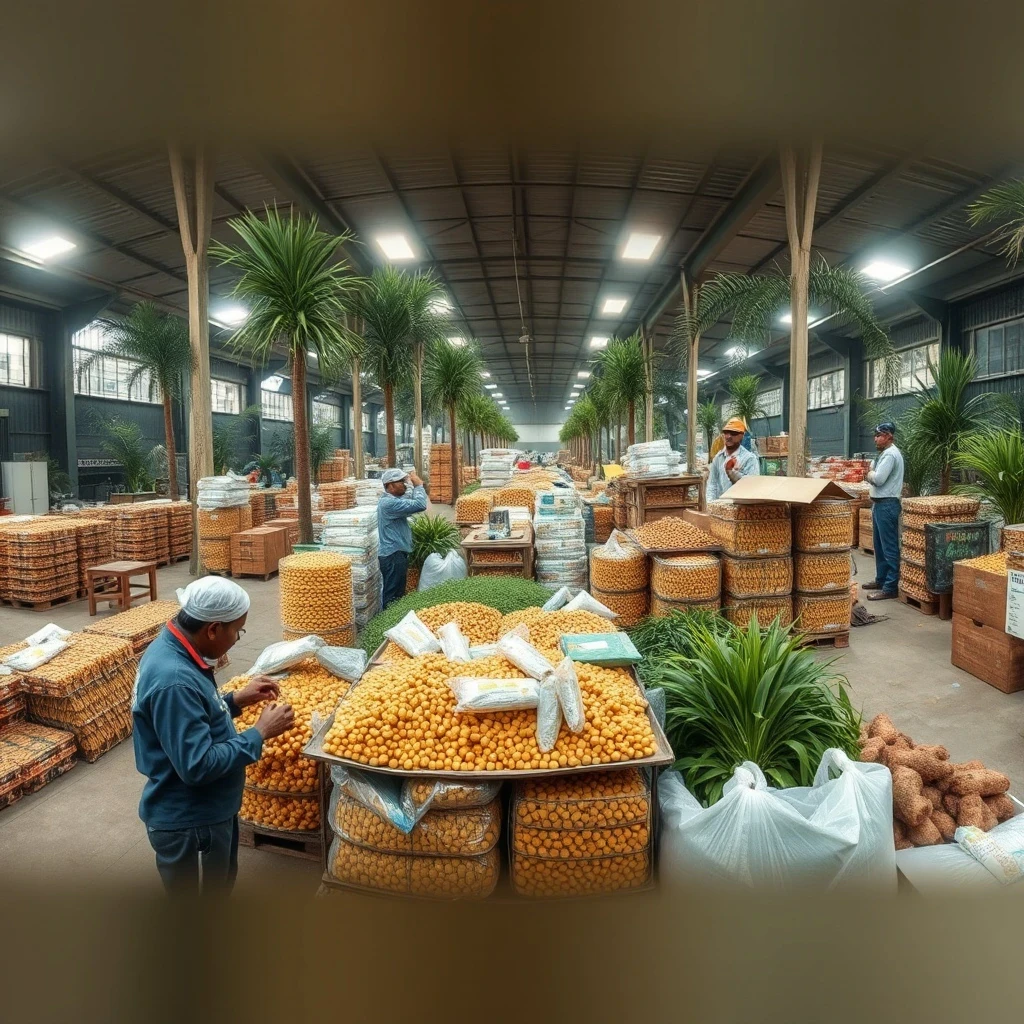
Indonesia has officially launched its B50 biodiesel programme, a policy that mandates a 50% palm oil-based biodiesel blend. The move, reported by multiple sources in mid-July, is expected to significantly lift domestic palm oil consumption and reduce the country’s fuel import bill. The mandate tightens the supply-demand balance for crude palm oil (CPO) available for export, as more volume is diverted to the domestic biodiesel pool. This development comes at a time when global vegetable oil markets are repricing the biodiesel story amid a sharp drop in Brent crude oil prices, which fell below $70/bbl recently, undermining the economic incentive for blending. However, the B50 mandate is government-driven and less sensitive to crude oil price swings, providing a structural floor under Indonesian palm oil demand.
Meanwhile, India’s edible oil market faces a growing policy headache from duty-free imports originating in Nepal. Reports indicate that Nepal’s Rs146 billion edible oil exports to India, largely refined from imported crude palm oil, are under scrutiny for exploiting a tariff advantage. The arrangement allows refined palm oil to enter India duty-free under the South Asian Free Trade Area (SAFTA), undercutting domestic refiners who pay import duties on crude oil. This loophole has become a concern for Indian producers, who argue it distorts the market and undermines local processing capacity. The Reserve Bank of India has also linked broad-based edible oil price rises to biofuel use, specifically citing Indonesia’s B50 mandate as a contributing factor. This policy tension could lead to tighter rules on origin certification or changes in India’s import tariff structure, with potential knock-on effects on palm oil trade flows.
On the regulatory front, the European Union’s Deforestation Regulation (EUDR) has carved out an exemption for palm oil waste, raising questions about its agricultural use. The exclusion means that palm oil residues and by-products, such as palm kernel shells and empty fruit bunches, are not subject to the same deforestation compliance requirements as virgin palm oil. This could encourage EU buyers to shift toward waste-based feedstocks for biofuel and industrial applications, potentially reducing demand for fresh palm oil but creating new market segments for processed by-products. For compliance-minded buyers, understanding the distinction between waste and primary palm oil under EUDR is critical to managing supply chain risk and avoiding penalties.
Our model outlook expects CPO to consolidate near $1100/MT with a mild bearish bias over the next seven trading days, weighed by the sharp drop in Brent crude and crowded speculative longs. However, demand support from the B50 mandate, a wide palm-soyoil spread, and anticipated pre-festival Indian import surge should limit downside. The market awaits the next MPOB release amid peak production season.
Sources: The Kathmandu Post; FoodNavigator.com; AgroSpectrum India; Quantum Commodity Intelligence; livemint.com; livemint.com
A technical deep-dive into palm methyl ester production, quality drivers, and procurement risk points for industrial buyers.

Palm methyl ester (PME) is the fatty acid methyl ester derived from palm oil through transesterification. It is the most widely used feedstock for biodiesel in tropical markets such as Indonesia and Malaysia, and increasingly in blending mandates across Asia, Europe, and the Americas. For procurement managers and industrial buyers, understanding the PME supply chain is essential to manage cost, quality, and regulatory compliance.
The core reaction is straightforward: refined, bleached, and deodorized palm oil (RBD palm oil) or crude palm oil (CPO) is reacted with methanol in the presence of a base catalyst—typically sodium or potassium hydroxide. This yields methyl esters and glycerol as a co-product. The reaction is carried out at around 60–70°C and atmospheric pressure, with excess methanol to drive conversion above 98%.
After reaction, the glycerol phase is separated by gravity or centrifugation. The crude methyl ester is then washed, dried, and often distilled to meet specifications such as EN 14214 or ASTM D6751. Key quality parameters include ester content (minimum 96.5% for EN 14214), methanol content, free and total glycerol, acid value, oxidation stability, and cold-flow properties.
Palm oil's fatty acid profile—roughly 44% palmitic, 39% oleic, 10% linoleic, and 4% stearic—gives PME excellent cetane number and oxidation stability compared to soybean or rapeseed methyl esters. However, the high saturated fat content also means poor cold-flow properties. Cloud point is typically around 16°C for palm biodiesel, requiring winterization or blending with other esters for cold climates.
Procurement managers should note that CPO quality varies with harvest season, storage conditions, and free fatty acid (FFA) content. High FFA (>2%) requires an acid-catalyzed pre-esterification step, adding cost and complexity. Sourcing RBD palm oil or low-FFA CPO reduces processing risk.
The PME supply chain begins at palm oil mills, which produce CPO. CPO is either sold directly to biodiesel plants or first refined at a fractionation or refining facility. Biodiesel plants are typically located near ports or palm oil refineries to minimize logistics costs. Methanol, a key input, is sourced from natural gas or coal-based producers, often imported.
After production, PME is stored in heated tanks (to prevent solidification) and blended with petrodiesel at terminals or directly injected into distribution pipelines. Many jurisdictions require B20 or B30 blends, meaning 20–30% PME content in diesel fuel.
Price volatility in CPO and methanol markets directly affects PME cost. Policy changes—such as Indonesia's B35 mandate or EU anti-deforestation rules—can disrupt supply. Buyers should negotiate contracts with price adjustment clauses and maintain multiple certified suppliers.
In summary, PME is a technically robust biodiesel feedstock, but its commercial success depends on careful specification, stable feedstock sourcing, and rigorous quality control at every link in the chain.
Our market desk connects serious buyers with vetted origin suppliers across Southeast Asia. Indicative pricing, specifications and shipment guidance — free of charge.
Get connected →Indonesia’s B50 rollout boosts demand outlook, while tariff arbitrage via Nepal and EU waste rules add complexity for buyers.
Full story — Page 2 ▸A technical deep-dive into palm methyl ester production, quality drivers, and procurement risk points for industrial buyers.
Full story — Page 2 ▸Malaysian benchmark slips 1% as Brent crude’s weekly 8.1% drop weighs on biodiesel sentiment, though Indian import surge and wide palm-soyoil spread provide a floor.
Malaysian crude palm oil futures settled at about $1,100/MT (RM 4,494) on Wednesday, down 1.0% from the prior session, as a sharp decline in crude oil prices and weakness in rival vegetable oils pulled the market lower. The global benchmark stood near $1,105/MT, while Indonesia’s reference price was set at about $1,030/MT.
Energy and biodiesel headwinds Brent crude fell to about $87/bbl, extending a weekly drop that sources put at 8.1%. The slide erodes the biodiesel blending economics that have supported palm oil demand, particularly under Indonesia’s recently launched B50 mandate. Market participants are watching whether weaker crude will curb discretionary biodiesel blending elsewhere in Asia, as flagged by several industry sources.
Supply-side picture The MPOB’s June data showed Malaysian CPO production rising 8.1% month-on-month to 1.64 million tonnes, while closing stocks climbed 3.7% to 1.33 million tonnes. Exports increased 6.2% to 1.20 million tonnes, but imports surged 135.3% to over 103,000 tonnes, suggesting tight domestic availability in certain grades. The fresh fruit bunch reference price eased 1.3% to RM 48.90.
Peak production season is under way, and the prevailing El Niño (ONI +1.0) continues to bring dry conditions to parts of Kalimantan, though its impact on current yields remains limited.
Demand drivers Despite the near-term price softness, demand-side factors are lending support. India’s edible oil imports are expected to surge from July through October as buyers stock up ahead of the festival season, following a 30% decline in June. The wide discount of palm oil to soybean oil continues to attract price-sensitive buyers. Pakistan’s record $3.8 billion palm oil bill in the fiscal year underscores robust South Asian appetite.
Our model outlook Our model outlook expects CPO to consolidate near $1,100/MT with a mild bearish bias over the next seven trading days. Crowded speculative longs in the vegetable oil complex add vulnerability, but the palm-soyoil spread and anticipated Indian buying should limit downside. A firming ringgit (USD/MYR at 4.08) and neutral technicals also cap further losses. The market is awaiting the next MPOB release in about 13 days.
What to watch Buyers should monitor crude oil’s trajectory and any shift in biodiesel mandate enforcement in Indonesia, as well as the pace of Indian pre-festival restocking. The ringgit’s direction and weekly export data from Malaysia will provide near-term cues on price direction.
Malaysian CPO benchmark falls 1.6% to $1108/MT, pressured by profit-taking and weaker crude oil.
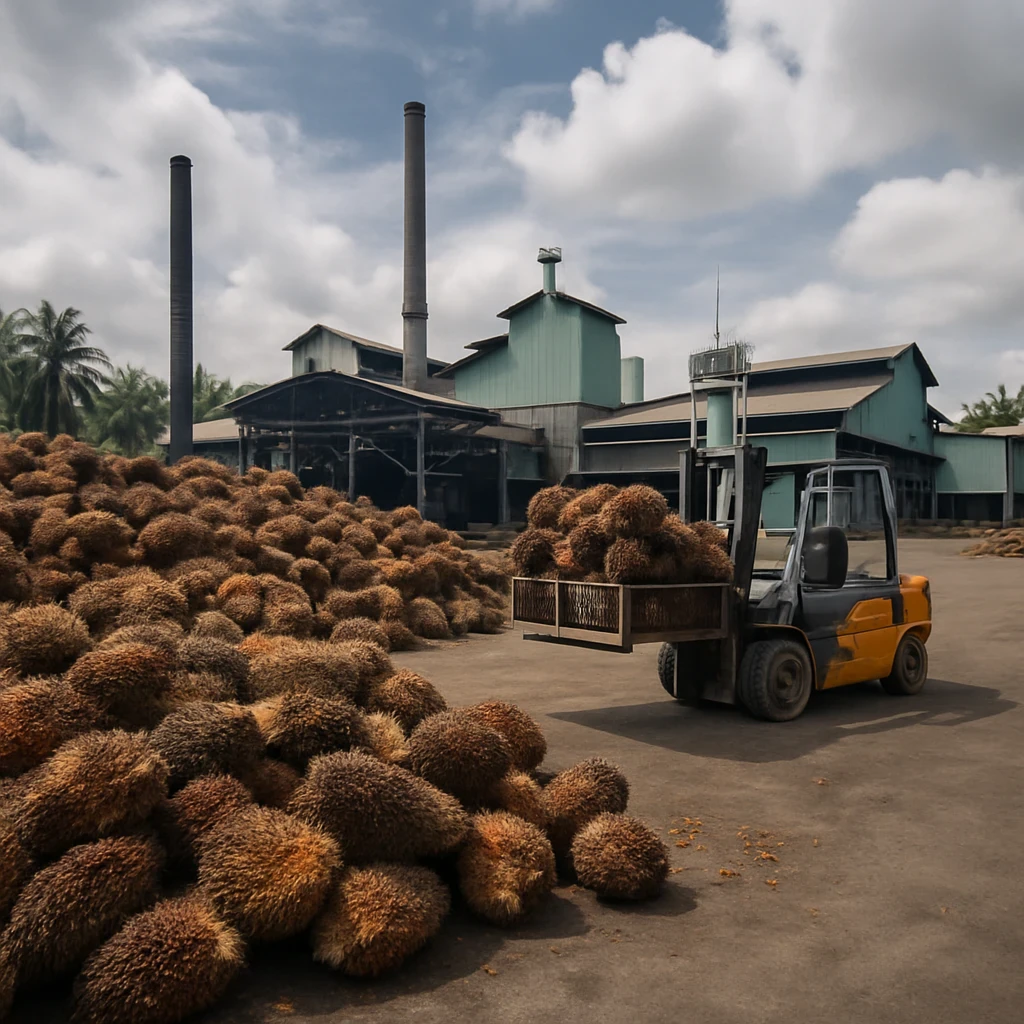
Malaysian crude palm oil futures closed lower on Tuesday, with the benchmark contract slipping 1.6% to about $1108 per metric ton, as profit-taking after a recent rally and weaker rival oils weighed on sentiment. Brent crude fell 1.8% to $86 per barrel, dampening biodiesel blend economics and adding to bearish pressure.
MPOB June data showed Malaysian CPO production rose 8.1% month-on-month to 1.64 million tons, while closing stocks increased 3.7% to 1.33 million tons. Exports grew 6.2% to 1.20 million tons, but imports surged 135.3% to 103,113 tons, reflecting active inter-market flows. The fresh fruit bunch reference price eased 1.3% to RM 48.90.
Despite the current weakness, demand prospects remain supportive. India's edible oil imports are expected to surge from July through October as buyers build stocks ahead of festivals, according to recent reports. The wide palm-soybean oil spread continues to make palm oil competitively priced in key markets. However, India's June imports fell 30% year-on-year, suggesting some near-term demand softness.
Indonesia's rollout of the B50 biodiesel mandate, noted in recent headlines, is a structural demand booster for palm oil, though rising feedstock consumption has also been flagged by India's central bank as a factor behind elevated edible oil prices. The current El Niño (ONI +1.0) has not significantly disrupted rainfall across key growing regions, keeping production outlooks stable.
Our model outlook points to modest downside in the coming week, with profit-taking and weaker crude oil likely to cap gains. However, the palm-soybean oil spread and anticipated Indian festival buying provide a floor. Mean-reverting dynamics prevail amid low volatility.
Takeaway for buyers: Watch for shifts in crude oil prices and Indian import pace; the current dip may offer near-term buying opportunities ahead of festival-driven demand recovery.
Sources: Oils & Fats International; NST Online; Reuters; NST Online; Finimize; Business Recorder
Biodiesel mandates, trade disputes and regulatory shifts redefine market dynamics for palm oil buyers
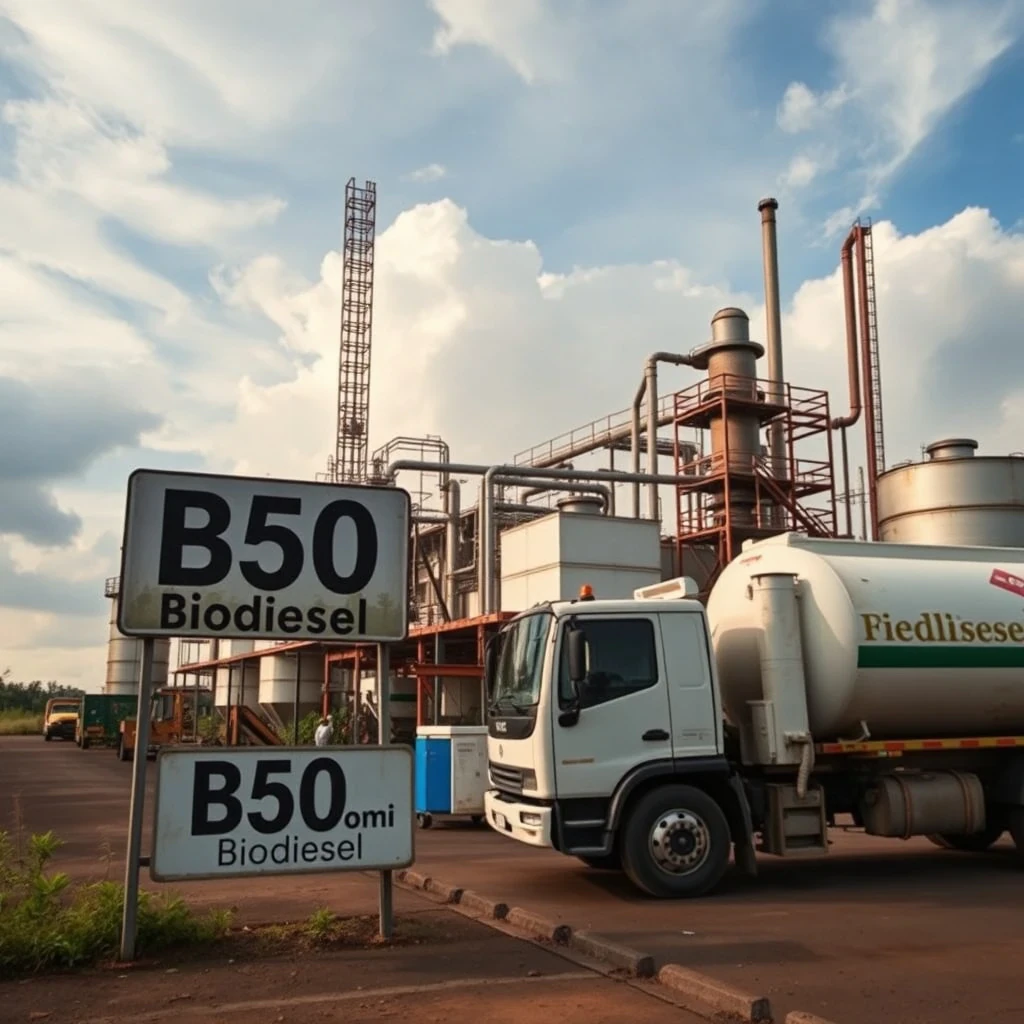
The palm oil market is navigating a complex policy landscape this week, with developments in biodiesel mandates, trade flows and regulatory exemptions influencing supply-demand balances.
Indonesia's rollout of the B50 biodiesel programme, effective mid-July, is a significant demand driver for palm oil. The mandate requires a 50% palm oil-based biodiesel blend, up from previous levels, and is expected to absorb additional domestic supply. This reduces export availability and supports global prices, though the full impact will take months to materialise as blending infrastructure ramps up.
Sources indicate that rising Asian mandates are curtailing discretionary biodiesel blending opportunities, as obligated volumes leave less room for market-driven blending. The B50 policy aligns with Indonesia's broader energy security goals but tightens global palm oil supplies.
Nepal's Rs146 billion edible oil exports to India face scrutiny over tariff advantages. India allows duty-free imports from Nepal under a bilateral trade treaty, but Indian producers argue this is being exploited to re-export refined palm oil sourced from third countries. This could lead to policy adjustments that alter regional trade flows, potentially shifting demand toward direct Malaysian or Indonesian exports.
The EU Deforestation Regulation (EUDR) excludes palm oil waste, highlighting its use in agriculture as a soil amendment or animal feed. This exemption may encourage more waste-derived products, but does not directly affect crude palm oil demand. Compliance-minded buyers are monitoring how waste streams are certified to avoid deforestation-linked supply chains.
Falling crude oil prices, with Brent below $70/bbl in recent sessions, undermine biodiesel blend economics. Cheaper fossil diesel reduces the incentive for biodiesel consumption, potentially capping palm oil's demand from the energy sector. However, mandated volumes under B50 in Indonesia and similar policies in other Asian nations provide a floor.
Our model outlook suggests modest downside pressure on CPO in the near term, driven by profit-taking and weaker crude oil. However, support comes from a wide palm-soybean oil spread and expectations of rising Indian imports ahead of festivals. The mean-reverting regime and low volatility point to range-bound trading, with policy developments as key swing factors.
Sources: The Kathmandu Post; FoodNavigator.com; Quantum Commodity Intelligence; livemint.com; livemint.com; Oils & Fats International
Neutral rainfall across Malaysia and Indonesia offers near-term harvest relief, but lagged El Niño effects on fruit bunch weight remain a watch point.
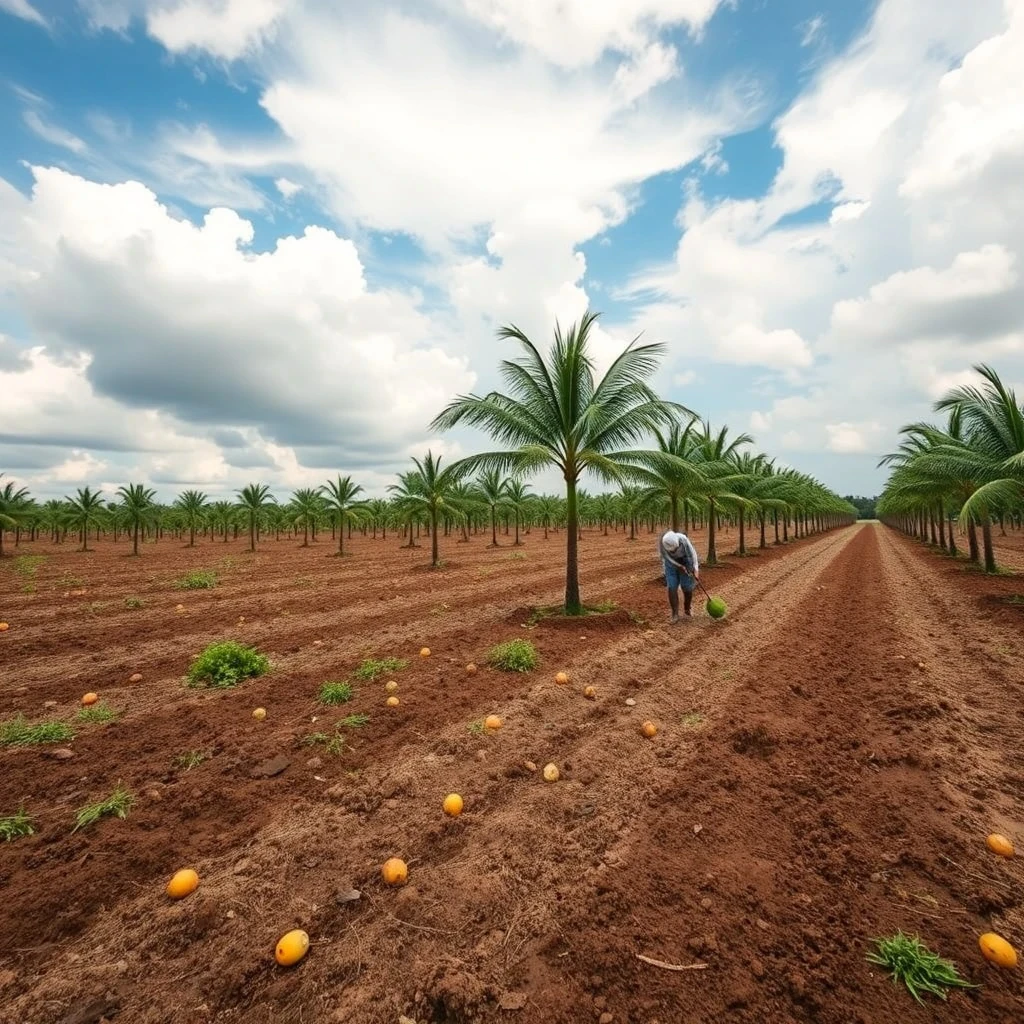
The palm oil producing regions of Malaysia and Indonesia are currently experiencing broadly normal rainfall, according to the latest weather data. This neutral precipitation pattern provides a window for harvesting and logistics to proceed without the disruptions that heavy rain often brings.
The El Niño event, with an ONI index of +1.0, remains in place. The key concern for palm oil production is the well-documented 6-12 month lag between dry conditions and reduced fruit bunch weight. While the current rainfall is adequate, the stress from earlier dry months may still be feeding through into lower yields in the coming quarters. Producers should monitor fruit bunch development closely, as the full impact of the 2025/26 El Niño may not yet be fully reflected in production figures.
For the immediate outlook, the absence of heavy rain is a positive. Harvesting teams can access fields without waterlogging, and fruit collection and transport to mills face fewer delays. This supports a steady flow of fresh fruit bunches (FFB) to processing facilities, which is critical for maintaining crude palm oil (CPO) quality and output.
In Malaysia, the MPOB June data showed CPO production rising 8.1% month-on-month to 1.64 million tonnes, partly aided by favourable weather. The normal rainfall pattern is likely to sustain this operational momentum in July and August.
Indonesia’s main producing regions on Sumatra and Kalimantan are also experiencing normal rainfall. This supports the ongoing harvest season and helps maintain the country's robust export supply chain. The absence of extreme weather reduces the risk of sudden production dips that can tighten global supply.
The neutral weather backdrop comes at a time when CPO prices are under modest pressure. The Malaysian benchmark fell 1.6% to around $1,108 per tonne, influenced by weaker crude oil prices and profit-taking after a recent spike. However, the wide palm-soybean oil spread and expectations of rising Indian imports ahead of festivals provide underlying support.
Our model outlook suggests CPO is likely to see modest downside in the coming week, but mean-reverting conditions and low volatility prevail. The normal rainfall regime reduces the chance of weather-driven supply shocks, keeping the market focused on demand-side factors and broader vegetable oil dynamics.
For now, the palm belt’s weather is a non-factor for near-term yields. The focus should remain on the lagged effects of El Niño and any shift in the ENSO forecast toward La Niña, which would bring wetter conditions and potentially disrupt harvesting later in the year. Producers and traders should watch for any change in the rainfall outlook that could alter the current balanced supply picture.
Our market desk connects serious buyers with vetted origin suppliers across Southeast Asia. Indicative pricing, specifications and shipment guidance — free of charge.
Get connected →Biodiesel mandates, trade disputes and regulatory shifts redefine market dynamics for palm oil buyers
Full story — Page 2 ▸Neutral rainfall across Malaysia and Indonesia offers near-term harvest relief, but lagged El Niño effects on fruit bunch weight remain a watch point.
Full story — Page 2 ▸Malaysian CPO benchmark falls 1.6% to $1108/MT, pressured by profit-taking and weaker crude oil.
Malaysian crude palm oil futures closed lower on Tuesday, with the benchmark contract slipping 1.6% to about $1108 per metric ton, as profit-taking after a recent rally and weaker rival oils weighed on sentiment. Brent crude fell 1.8% to $86 per barrel, dampening biodiesel blend economics and adding to bearish pressure.
MPOB June data showed Malaysian CPO production rose 8.1% month-on-month to 1.64 million tons, while closing stocks increased 3.7% to 1.33 million tons. Exports grew 6.2% to 1.20 million tons, but imports surged 135.3% to 103,113 tons, reflecting active inter-market flows. The fresh fruit bunch reference price eased 1.3% to RM 48.90.
Despite the current weakness, demand prospects remain supportive. India's edible oil imports are expected to surge from July through October as buyers build stocks ahead of festivals, according to recent reports. The wide palm-soybean oil spread continues to make palm oil competitively priced in key markets. However, India's June imports fell 30% year-on-year, suggesting some near-term demand softness.
Indonesia's rollout of the B50 biodiesel mandate, noted in recent headlines, is a structural demand booster for palm oil, though rising feedstock consumption has also been flagged by India's central bank as a factor behind elevated edible oil prices. The current El Niño (ONI +1.0) has not significantly disrupted rainfall across key growing regions, keeping production outlooks stable.
Our model outlook points to modest downside in the coming week, with profit-taking and weaker crude oil likely to cap gains. However, the palm-soybean oil spread and anticipated Indian festival buying provide a floor. Mean-reverting dynamics prevail amid low volatility.
Takeaway for buyers: Watch for shifts in crude oil prices and Indian import pace; the current dip may offer near-term buying opportunities ahead of festival-driven demand recovery.
Malaysian CPO benchmark edges up 1.7% on stronger crude and soybean oil, while MPOB data shows rising stocks and production.
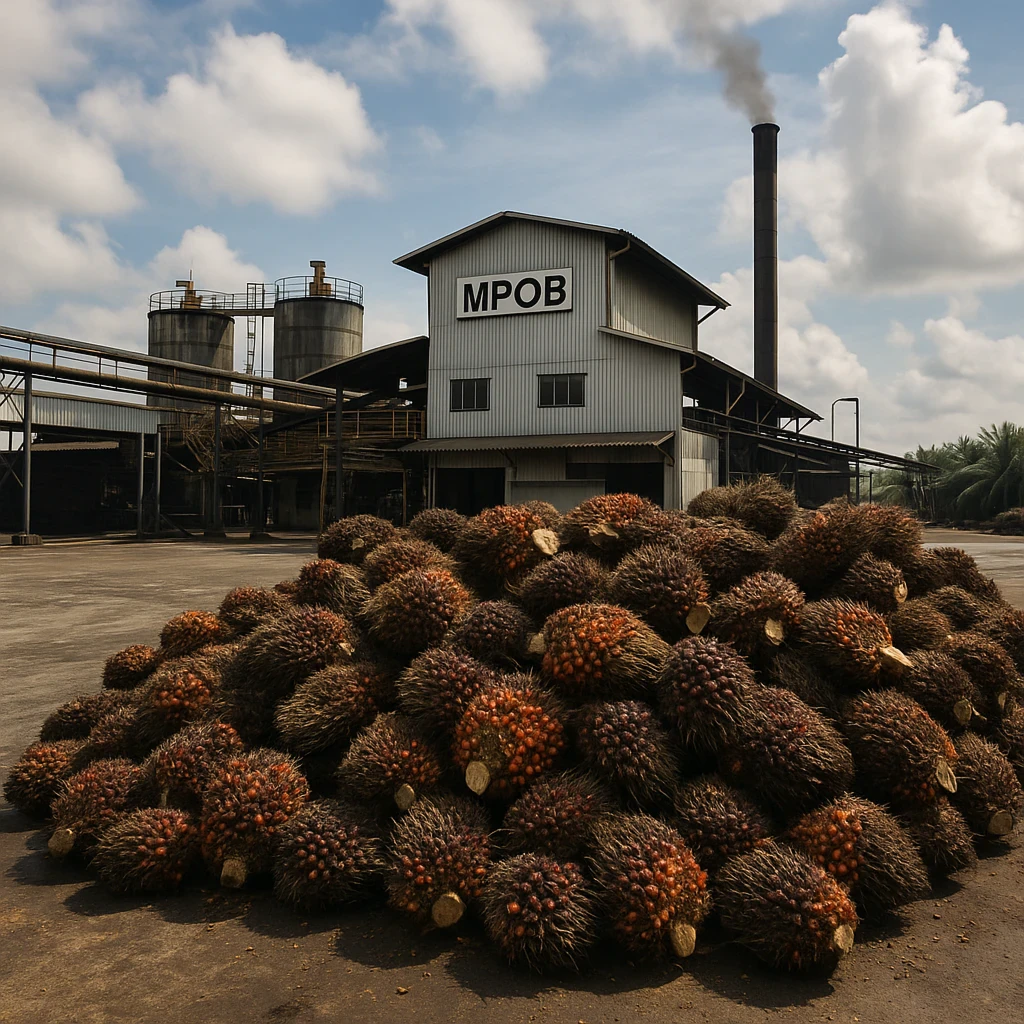
Malaysian crude palm oil futures settled around $1,124 per tonne (RM 4,598) on Monday, up 1.7% from the previous session, supported by firmer crude oil and soybean oil prices. Brent crude rose 0.9% to about $93 per barrel, reinforcing the biodiesel blend economics that underpin palm oil demand.
The latest MPOB data for June 2026 showed Malaysian CPO production at 1,638,777 tonnes, up 8.1% month-on-month, while closing stocks rose 3.7% to 1,332,697 tonnes. Exports increased 6.2% to 1,204,013 tonnes, but imports surged 135.3% to 103,113 tonnes, reflecting active arbitrage flows. The fresh fruit bunch reference price eased 1.3% to RM 48.90.
ENSO conditions remain in El Niño territory (ONI +1.0), but rainfall across the palm belts is broadly normal for now. Our model outlook sees a mildly firm 7-day trajectory, extending the recent upward drift within normal volatility, though seasonal headwinds may cap gains.
Indonesia’s rollout of the B50 biodiesel programme continues to shape global palm oil balances. The mandate, which boosts domestic palm oil consumption, is seen reducing exportable surplus and supporting prices. India’s edible oil imports are expected to surge from July through October as supplies tighten ahead of festivals, according to Reuters. The Reserve Bank of India has flagged biofuel production as a factor behind elevated edible oil prices, citing Indonesia’s B50 mandate.
Soybean oil and crude oil strength provided a tailwind for palm oil last week, with CPO futures hitting a two-week high. However, profit-taking may emerge after the recent rally, as noted by NST Online. Nepal’s edible oil exports to India, which benefit from a tariff advantage, have come under scrutiny, adding a layer of trade policy risk. Meanwhile, the EUDR exemption for palm oil waste highlights niche demand streams.
Watch for further direction from crude oil and soybean oil markets, as well as any updates on Indonesia’s B50 implementation pace. The combination of rising production, firm biodiesel demand, and pre-festival buying from India suggests a balanced but price-supportive environment in the near term.
Sources: NST Online; bernama; Reuters; Finimize; Quantum Commodity Intelligence; livemint.com
Indonesia’s B50 rollout and rising Asian biofuel targets tighten palm oil supply, while Nepal’s tariff-arbitrage exports to India face scrutiny.
Indonesia’s launch of the B50 biodiesel programme in July 2026 is reshaping global palm oil demand. The mandatory 50% palm oil-based blend, reported by Oils & Fats International and The Jakarta Post, lifts domestic consumption and reduces the volume available for export. The RBI has linked broad-based edible oil price rises to biofuel use, specifically citing Indonesia’s B50 mandate. Market sources quoted by Quantum Commodity Intelligence note that rising Asian mandates are curtailing the discretionary biodiesel blend opportunity, as obligated volumes absorb a larger share of supply.
India’s duty-free edible oil imports from Nepal have surged to Rs146 billion, drawing concern from domestic producers. The Kathmandu Post and livemint report that Nepalese refiners are exploiting a tariff advantage to ship palm oil products into India, undercutting local processors. This trade flow adds to India’s import pressure and complicates the price outlook for palm oil buyers in the subcontinent.
The EU Deforestation Regulation explicitly excludes palm oil waste from its scope, as detailed by FoodNavigator. This exemption allows agricultural use of palm oil by-products without the compliance burden faced by virgin palm oil. For European buyers, this could shift some demand toward waste-derived products, but the overall impact on CPO demand remains marginal.
Our model outlook points to a mildly firm 7-day price trajectory, extending the recent upward drift. Malaysian CPO benchmark settled at $1124/MT, up 1.7% session-on-session, supported by tighter supply expectations from mandate-driven demand and normal rainfall across the belt. Buyers should monitor policy developments in Jakarta and New Delhi, as both hold near-term price implications.
Sources: Quantum Commodity Intelligence; livemint.com; Oils & Fats International; The Jakarta Post; Reuters; The Kathmandu Post
ENSO neutral-positive state with ONI +1.0 keeps historical drought lag in focus, but near-term rainfall outlook supports harvesting pace.
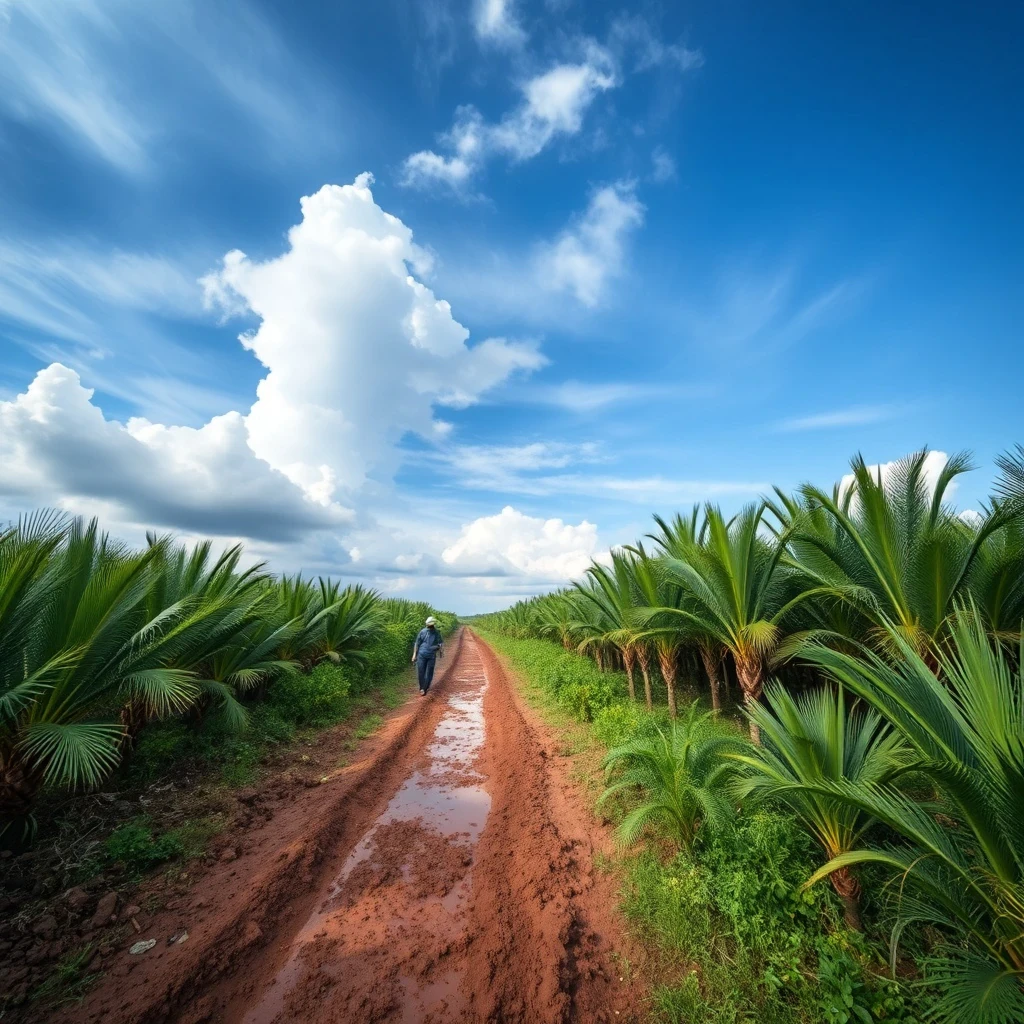
The equatorial Pacific remains in a weak El Niño phase, with the Oceanic Niño Index (ONI) at +1.0 for the latest reading. While sea-surface temperature anomalies have moderated from their mid-2025 peak, the atmospheric pattern typical of El Niño — drier-than-normal conditions over parts of maritime Southeast Asia — has not fully dissipated.
For palm oil, the critical concern is the lagged effect of moisture stress on oil palm yields. El Niño-driven rainfall deficits typically reduce fruit bunch weight and oil extraction rates 6–12 months after the dry spell peaks. The current ONI reading implies that the most acute stress period occurred in late 2025 to early 2026, meaning yield suppression may still be working through the current production cycle.
Despite the lingering ENSO signal, rainfall across the Malaysian and Indonesian palm belts over the past four weeks has been broadly normal. Our model outlook projects a mildly firm 7-day rainfall pattern, with no extreme dry or wet anomalies expected. This supports uninterrupted harvesting and milling operations, which is particularly relevant for the immediate supply chain.
Heavy rain events can disrupt fresh fruit bunch (FFB) collection and reduce mill throughput due to logistical bottlenecks. The absence of such disruptions in the near term should allow the current seasonal uptick in production to proceed without major hiccups.
MPOB June data showed Malaysian CPO production at 1.64 million tonnes, up 8.1% month-on-month, while closing stocks rose 3.7% to 1.33 million tonnes. The production increase is consistent with the seasonal high-cycle, but the lagged El Niño effect may cap the magnitude of the peak. Exports rose 6.2% month-on-month, indicating steady demand, though imports surged 135% — partly a reflection of price arbitrage and stock-building by local refiners.
Indonesia’s Kemendag reference price for July stands at about $1,030/MT, below the global benchmark, which supports competitive export pricing. The broadly normal rainfall across Sumatra and Kalimantan — the main producing islands — is positive for near-term yields, though the lagged El Niño impact may still be felt in regions that experienced acute dryness in early 2026.
Brent crude at $93/bbl, up 0.9% on the session, continues to support palm oil’s competitiveness in biodiesel blending. Higher crude prices improve the economics of mandatory blend programs in both Malaysia and Indonesia, providing a floor under CPO demand even as supply fundamentals remain mixed.
Our model outlook points to a mildly firm 7-day price trajectory, extending the recent upward drift. The absence of disruptive weather in the immediate forecast, combined with steady export demand and supportive crude values, suggests the market can absorb the seasonal production increase without a sharp price correction. However, the lagged El Niño risk remains a latent factor that could emerge in late 2026 output data if the current normal rains do not persist into the next cycle.
Our market desk connects serious buyers with vetted origin suppliers across Southeast Asia. Indicative pricing, specifications and shipment guidance — free of charge.
Get connected →Indonesia’s B50 rollout and rising Asian biofuel targets tighten palm oil supply, while Nepal’s tariff-arbitrage exports to India face scrutiny.
Full story — Page 2 ▸ENSO neutral-positive state with ONI +1.0 keeps historical drought lag in focus, but near-term rainfall outlook supports harvesting pace.
Full story — Page 2 ▸Malaysian CPO benchmark edges up 1.7% on stronger crude and soybean oil, while MPOB data shows rising stocks and production.
Malaysian crude palm oil futures settled around $1,124 per tonne (RM 4,598) on Monday, up 1.7% from the previous session, supported by firmer crude oil and soybean oil prices. Brent crude rose 0.9% to about $93 per barrel, reinforcing the biodiesel blend economics that underpin palm oil demand.
The latest MPOB data for June 2026 showed Malaysian CPO production at 1,638,777 tonnes, up 8.1% month-on-month, while closing stocks rose 3.7% to 1,332,697 tonnes. Exports increased 6.2% to 1,204,013 tonnes, but imports surged 135.3% to 103,113 tonnes, reflecting active arbitrage flows. The fresh fruit bunch reference price eased 1.3% to RM 48.90.
ENSO conditions remain in El Niño territory (ONI +1.0), but rainfall across the palm belts is broadly normal for now. Our model outlook sees a mildly firm 7-day trajectory, extending the recent upward drift within normal volatility, though seasonal headwinds may cap gains.
Indonesia’s rollout of the B50 biodiesel programme continues to shape global palm oil balances. The mandate, which boosts domestic palm oil consumption, is seen reducing exportable surplus and supporting prices. India’s edible oil imports are expected to surge from July through October as supplies tighten ahead of festivals, according to Reuters. The Reserve Bank of India has flagged biofuel production as a factor behind elevated edible oil prices, citing Indonesia’s B50 mandate.
Soybean oil and crude oil strength provided a tailwind for palm oil last week, with CPO futures hitting a two-week high. However, profit-taking may emerge after the recent rally, as noted by NST Online. Nepal’s edible oil exports to India, which benefit from a tariff advantage, have come under scrutiny, adding a layer of trade policy risk. Meanwhile, the EUDR exemption for palm oil waste highlights niche demand streams.
Watch for further direction from crude oil and soybean oil markets, as well as any updates on Indonesia’s B50 implementation pace. The combination of rising production, firm biodiesel demand, and pre-festival buying from India suggests a balanced but price-supportive environment in the near term.
CPO prices hover near forecast band as Indonesia’s B50 rollout and India’s import surge face off against weak rival oils.
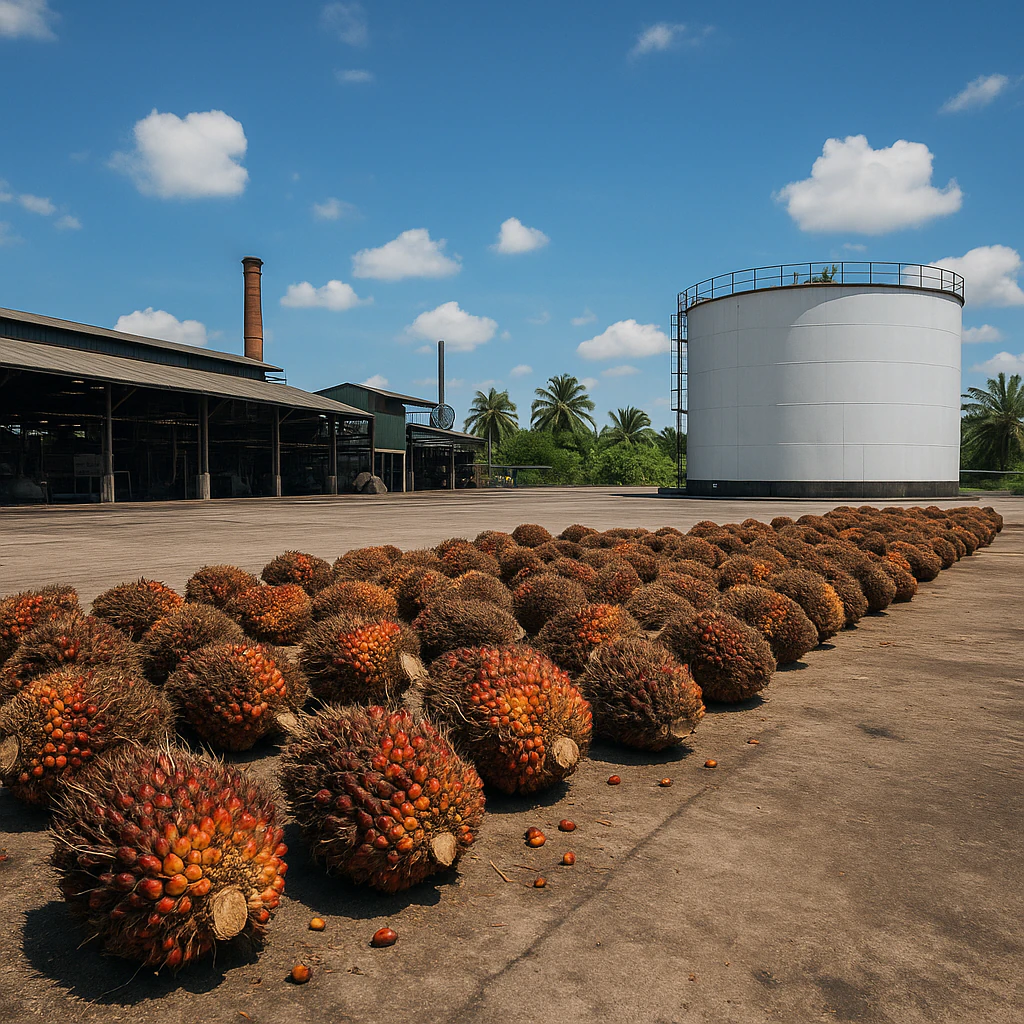
Palm oil futures held within a tight corridor this week as the market digested competing signals from Indonesia’s aggressive biofuel mandate and softening rival edible oil markets.
Indonesia’s launch of the B50 biodiesel programme, confirmed by multiple sources in early July, continues to provide a structural floor for crude palm oil prices. The mandate, which requires 50% palm-based biodiesel blending, is expected to lift domestic palm oil consumption significantly and reduce the country’s fuel import bill. The Reserve Bank of India recently flagged biofuel expansion as a driver of elevated edible oil prices globally, citing Indonesia’s policy specifically.
The Malaysian Palm Oil Council has projected CPO prices will remain stuck in a RM4,400–RM4,650 per tonne range for August, a view echoed by UkrAgroConsult, which also sees a narrow trading band for the month. This consolidation comes after a period of volatility driven by crude oil strength and gains in the broader vegetable oil complex. On 22 July, palm oil eased on weak edible oil prices, but the downside appears limited given the biofuel demand boost.
India’s edible oil imports are expected to surge from July to October as supplies tighten ahead of the festive season. This follows a 29% year-on-year drop in June imports, reported by Business Standard. The government is under pressure to make import duties more flexible, with experts urging a more responsive tariff regime. Meanwhile, duty-free imports from Nepal have surged 548%, raising concerns among domestic producers about unfair competition.
A CME Group analysis highlights that geopolitical risks underscore India’s heavy reliance on imported edible oils, a vulnerability that could amplify price swings. The combination of strong domestic demand, limited local production, and external policy shifts in Indonesia and Malaysia keeps the market sensitive to any supply disruption.
With CPO prices locked in a narrow range and biofuel demand providing a floor, the key variable to watch is the pace of India’s import recovery and any further policy moves on duties. A break above RM4,650 would require a fresh catalyst, while a sustained drop below RM4,400 seems unlikely given the structural support from Indonesia’s B50 mandate.
Sources: Deccan Chronicle; Finimize; livemint.com; finance.biggo.com; UkrAgroConsult; The Economic Times
Central bank links price rise to palm-based biodiesel; Jakarta’s 50% blend deepens demand-supply squeeze.

The Reserve Bank of India has pointed to the expanding use of edible oils in biofuels as a structural driver of price inflation, specifically citing Indonesia’s B50 biodiesel mandate. The observation, published in the central bank’s latest bulletin, adds a regulatory dimension to the supply narrative that compliance buyers must now factor into procurement strategies.
Indonesia formally launched its 50% palm-oil biodiesel blend in July 2026, a policy that had been flagged since early in the month. The mandate is expected to divert an additional 5-7 million tonnes of crude palm oil annually from food and industrial markets into fuel blending. For global buyers, this represents a permanent upward shift in the demand floor, reducing the volume available for export at any given price level.
The Indonesian government has framed B50 as a tool to cut fuel imports and support domestic palm oil prices. For import-dependent markets, however, the policy tightens the supply cushion that once absorbed production gluts. The Jakarta Post and Reuters both noted the immediate lift in palm oil demand that followed the rollout.
The RBI’s explicit linkage between biofuel mandates and broad-based edible oil inflation is significant. It signals that Indian policymakers are monitoring the spillover effects of Indonesia’s energy policy on domestic food costs. With India being the world’s largest vegetable oil importer, any sustained price rise in palm oil feeds directly into consumer inflation for cooking oils and processed foods.
This may accelerate discussions around India’s own biofuel blending targets and their interaction with edible oil imports. The central bank’s commentary also puts pressure on the government to consider tariff adjustments or alternative sourcing strategies to mitigate price risks.
A separate but related development is the growing concern over duty-free edible oil imports from Nepal. While not directly linked to biofuels, the issue compounds the supply-demand picture for Indian refiners. Low-cost imports from Nepal under preferential trade terms undercut domestic processors, potentially discouraging local crushing and refining capacity expansion at a time when global supply is constrained by Indonesia’s mandate.
For traders and procurement desks, the convergence of these signals points to a structurally tighter palm oil market. The B50 mandate is not a temporary disruption but a policy-driven demand shift. Buyers may need to secure longer-term contracts, diversify origin sources, and hedge against policy-induced price spikes. The RBI’s inflation alert could also prompt Indian regulatory responses—such as changes in import duties or stockholding limits—that would ripple through regional trade flows.
Indonesia’s energy pivot and India’s inflation concerns are now interlinked. Market participants should treat the B50 mandate as a baseline assumption for demand, not a risk scenario.
Sources: livemint.com; livemint.com; Oils & Fats International; The Jakarta Post; Reuters
A neutral comparison of two major vegetable oils on yield, cost, properties, applications and market positioning.
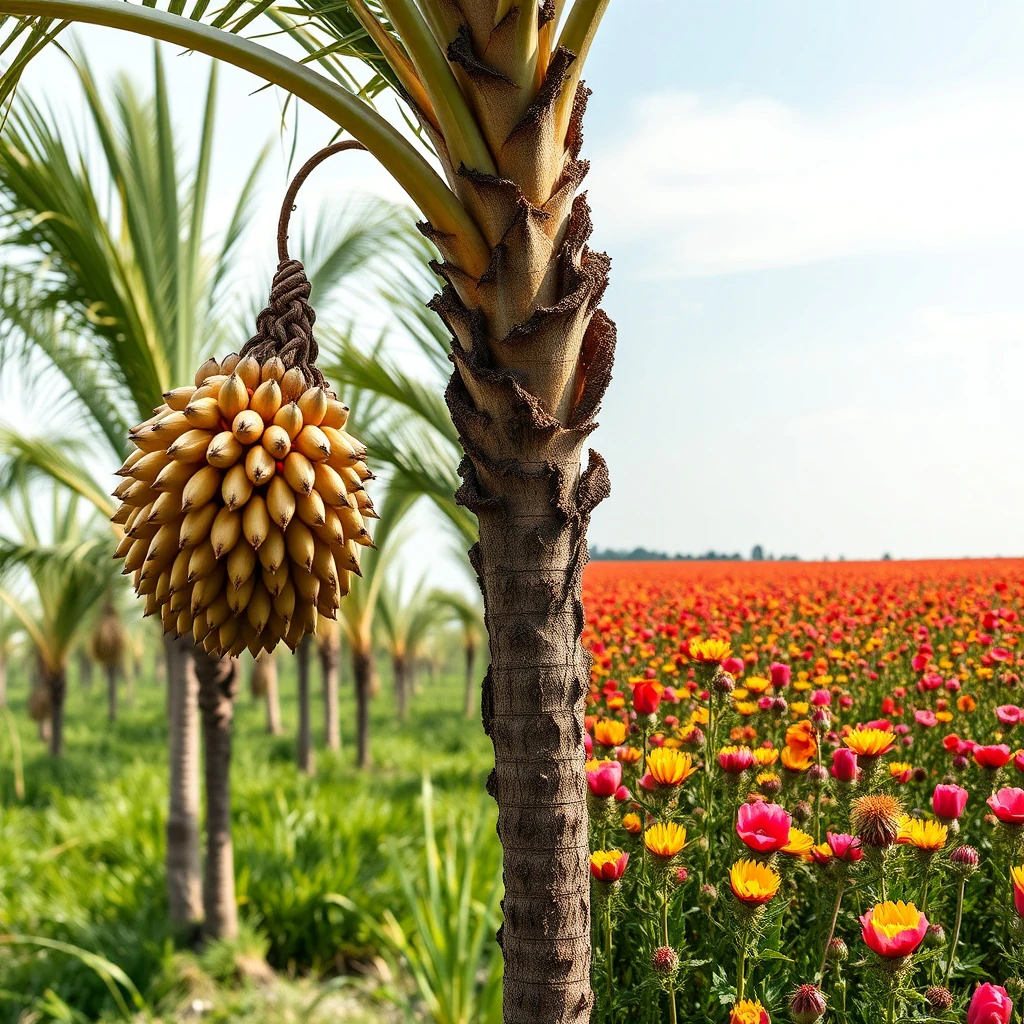
Palm oil and rapeseed (canola) oil are two of the world's most widely traded vegetable oils, each with distinct production geographies, physical properties and end-use profiles. Palm oil is derived from the fruit of the oil palm, grown primarily in tropical Southeast Asia and West Africa. Rapeseed oil is pressed from rapeseed, a temperate oilseed crop cultivated mainly in the European Union, Canada, China and India.
Oil palm is by far the highest-yielding oil crop, producing roughly 3.5 to 4 tonnes of oil per hectare per year under good management. Rapeseed yields approximately 0.7 to 1 tonne of oil per hectare annually. This yield advantage gives palm oil a structural cost edge in production: crude palm oil typically trades at a discount to rapeseed oil on global markets, though freight and refining costs can narrow the gap depending on destination.
Palm oil is semi-solid at room temperature due to its high saturated fat content (about 50% saturated), making it naturally suitable for solid fat applications such as margarine, shortenings and frying fats. Rapeseed oil is liquid at room temperature, with a low saturated fat content (around 7%) and high levels of monounsaturated and omega-3 fatty acids, positioning it as a heart-healthy cooking oil and salad oil. Palm oil's high content of natural antioxidants (tocopherols and tocotrienols) gives it good oxidative stability for deep frying; rapeseed oil requires more careful handling to avoid rancidity at high temperatures.
Palm oil dominates the global edible oils market for industrial frying, bakery fats, confectionery and as a feedstock for biodiesel, especially in Southeast Asia and increasingly in the European Union. Rapeseed oil is the preferred cooking oil in many temperate markets (Canada, Europe, China) and is widely used in salad dressings, mayonnaise and as a biodiesel feedstock in Europe under the Renewable Energy Directive. In oleochemicals, both oils serve as feedstocks for soaps, detergents and lubricants, though palm oil's higher stearin content gives it advantages in certain solid derivatives.
Palm oil faces persistent scrutiny over deforestation, peatland conversion and social conflicts in producing regions. Certification schemes such as RSPO aim to address these issues, but uptake remains partial. Rapeseed cultivation is less associated with tropical deforestation but raises concerns about nitrogen runoff, pesticide use and land-use competition with food crops in temperate zones. Both oils have carbon-footprint profiles that vary significantly by production method and land-use history.
For buyers, palm oil offers cost efficiency and solid-fat functionality ideal for large-scale industrial frying, bakery and confectionery applications. Rapeseed oil suits liquid-oil applications, health-positioned retail products and markets where cold-pressed or non-GMO attributes command a premium. The choice depends on target application, regulatory environment, sustainability commitments and price tolerance.
Our market desk connects serious buyers with vetted origin suppliers across Southeast Asia. Indicative pricing, specifications and shipment guidance — free of charge.
Get connected →Central bank links price rise to palm-based biodiesel; Jakarta’s 50% blend deepens demand-supply squeeze.
Full story — Page 2 ▸A neutral comparison of two major vegetable oils on yield, cost, properties, applications and market positioning.
Full story — Page 2 ▸CPO prices hover near forecast band as Indonesia’s B50 rollout and India’s import surge face off against weak rival oils.
Palm oil futures held within a tight corridor this week as the market digested competing signals from Indonesia’s aggressive biofuel mandate and softening rival edible oil markets.
Indonesia’s launch of the B50 biodiesel programme, confirmed by multiple sources in early July, continues to provide a structural floor for crude palm oil prices. The mandate, which requires 50% palm-based biodiesel blending, is expected to lift domestic palm oil consumption significantly and reduce the country’s fuel import bill. The Reserve Bank of India recently flagged biofuel expansion as a driver of elevated edible oil prices globally, citing Indonesia’s policy specifically.
The Malaysian Palm Oil Council has projected CPO prices will remain stuck in a RM4,400–RM4,650 per tonne range for August, a view echoed by UkrAgroConsult, which also sees a narrow trading band for the month. This consolidation comes after a period of volatility driven by crude oil strength and gains in the broader vegetable oil complex. On 22 July, palm oil eased on weak edible oil prices, but the downside appears limited given the biofuel demand boost.
India’s edible oil imports are expected to surge from July to October as supplies tighten ahead of the festive season. This follows a 29% year-on-year drop in June imports, reported by Business Standard. The government is under pressure to make import duties more flexible, with experts urging a more responsive tariff regime. Meanwhile, duty-free imports from Nepal have surged 548%, raising concerns among domestic producers about unfair competition.
A CME Group analysis highlights that geopolitical risks underscore India’s heavy reliance on imported edible oils, a vulnerability that could amplify price swings. The combination of strong domestic demand, limited local production, and external policy shifts in Indonesia and Malaysia keeps the market sensitive to any supply disruption.
With CPO prices locked in a narrow range and biofuel demand providing a floor, the key variable to watch is the pace of India’s import recovery and any further policy moves on duties. A break above RM4,650 would require a fresh catalyst, while a sustained drop below RM4,400 seems unlikely given the structural support from Indonesia’s B50 mandate.
Market eyes Malaysia's tight supply, Indonesia's biodiesel mandate, and India's festival-driven import surge.
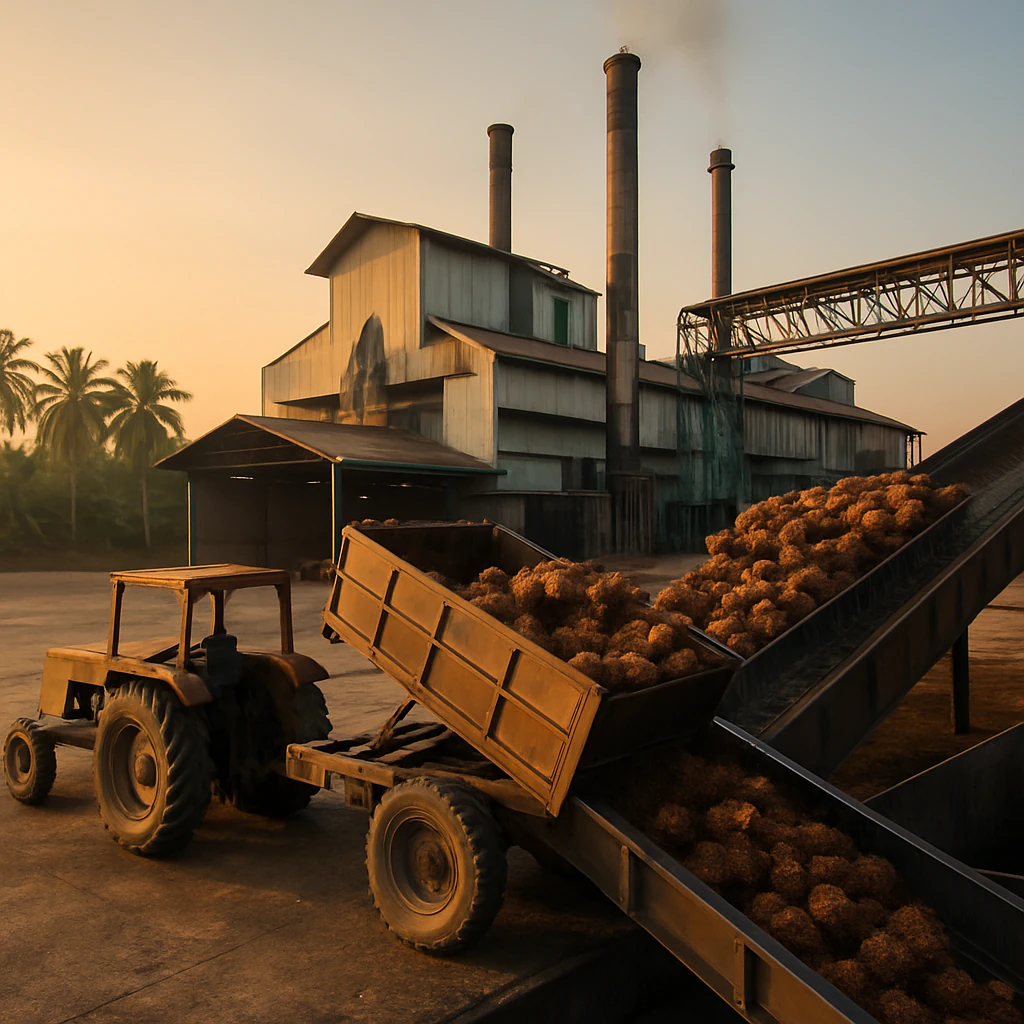
Palm oil futures are trading near three-month highs this week, supported by a confluence of supply-side constraints and policy-driven demand. Malaysian benchmark contracts closed higher on supply squeeze concerns, while the broader vegetable oil complex firmed on stronger crude oil and rival edible oil prices.
Malaysian palm oil production remains under pressure from persistent labour shortages and ageing trees. The Malaysian Palm Oil Council has flagged that crude palm oil prices are likely to stay within a RM4,400–RM4,650 per tonne range for August, reflecting a market that is balanced but vulnerable to weather disruptions. High CPO prices are expected to extend, according to industry analysts, as inventories remain relatively lean heading into the second half of the year.
Indonesia’s formal launch of the B50 biodiesel programme has added a structural demand layer to the market. The mandate, which requires 50% palm oil-based biodiesel blending, is set to absorb additional domestic supply and tighten export availability. India’s central bank has explicitly linked the broad-based rise in edible oil prices to increased biofuel use, citing Indonesia’s move as a key factor.
India, the world’s largest vegetable oil importer, is poised to see a sharp uptick in edible oil imports between July and October as buyers stock up ahead of the festive season. This comes after a 29% year-on-year decline in imports in June. The surge is likely to support palm oil prices, though the country is also grappling with rising duty-free imports from Nepal, which have surged 548%, raising concerns among domestic processors.
Geopolitical risks continue to underscore India’s heavy reliance on imported edible oils, with supply chain disruptions remaining a latent threat. Meanwhile, palm oil’s correlation with crude oil remains intact; stronger crude prices improve the economics of palm-based biodiesel and provide a floor under the vegetable oil complex.
For the coming weeks, the market is likely to remain rangebound but with an upward bias. The convergence of Malaysia’s supply squeeze, Indonesia’s B50 implementation, and India’s pre-festival restocking creates a supportive backdrop. However, any signs of slower-than-expected biodiesel uptake or a rebound in Malaysian production could trigger a correction.
Takeaway for buyers: Track real-time flows under Indonesia’s B50 mandate and Malaysia’s monthly production data—these two variables will determine whether the current price plateau holds or breaks higher.
Sources: Deccan Chronicle; Finimize; Business Recorder; livemint.com; Business Recorder; finance.biggo.com
Regulatory shifts in Indonesia and India create new dynamics for palm oil buyers and suppliers.
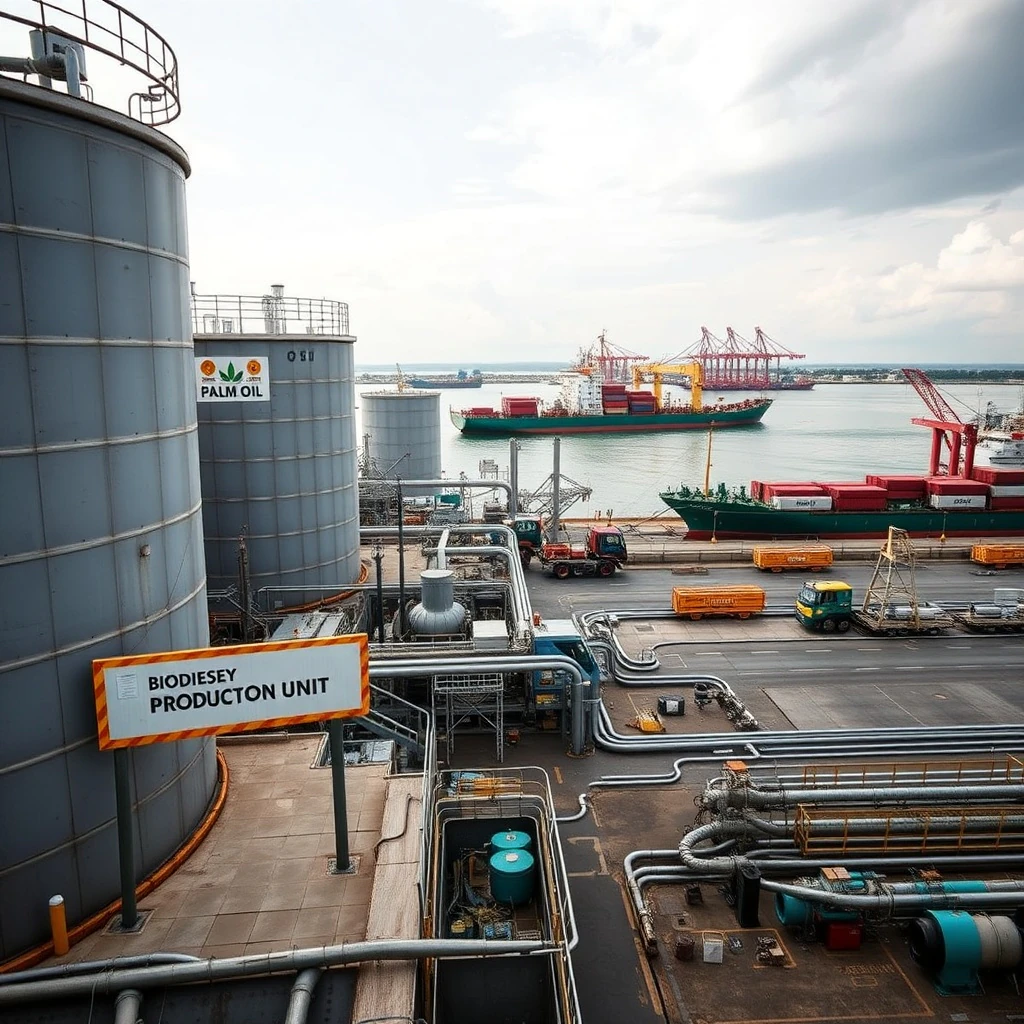
Indonesia’s launch of the B50 biodiesel programme in mid-July marks a decisive step in biofuel policy, locking in structural demand for palm oil as a feedstock. The mandate, which raises the biodiesel blend to 50%, directly boosts domestic palm oil consumption and tightens export availability. This regulatory push is one of the key factors behind palm oil prices hitting a three-month high, as the market prices in sustained demand from Indonesia’s energy sector.
Palm oil futures rallied to levels not seen since April, propelled by supply risks and the biodiesel demand prospects opened by B50. Traders are now weighing how much additional crude palm oil will be diverted from export markets to meet the mandatory blend. The price move reflects a market reassessing the long-term demand baseline for palm oil, with the biofuel channel becoming a non-discretionary consumer.
The Reserve Bank of India recently linked the broad-based rise in edible oil prices to the expansion of biofuel mandates, specifically citing Indonesia’s B50 policy. The central bank’s analysis underscores a growing concern for food-importing nations: when palm oil – the world’s most-traded edible oil – is increasingly channelled into fuel, the spillover effect raises costs for cooking oils across the board. For compliance-minded buyers, this signals a need to hedge against policy-driven price volatility that is not purely weather- or supply-driven.
Meanwhile, Indian palm oil producers face a separate regulatory headache from duty-free edible oil imports routed through Nepal. These imports, which use preferential trade agreements to bypass Indian tariffs, are undercutting domestic processors at a time when global palm oil prices are already elevated. The combination of a rising Indonesian demand floor and competitive pressure from Nepali imports creates a difficult operating environment for Indian refiners and a complex sourcing puzzle for buyers.
For procurement teams, the takeaway is clear: biofuel mandates are no longer a marginal factor but a core driver of palm oil demand. Compliance-minded buyers must now monitor not only crop forecasts and export policies but also fuel-blending targets and their enforcement. The B50 rollout in Indonesia, with its potential for similar moves in other producer countries, means that structural demand from the energy sector will remain a persistent bullish factor. Buyers should consider longer-term contracts and diversification of origins to mitigate concentration risk. The latest policy developments reinforce the need to integrate energy policy analysis into palm oil supply-chain planning.
Sources: Oils & Fats International; The Jakarta Post; Business Recorder; livemint.com; livemint.com
A technical explainer for buyers: saponification, refining, noodling and commercial factors that shape the soap noodle market.
Palm-based soap noodles are dried, uncoloured soap pellets—the industrial intermediate between refined oils and finished bar soaps. The process begins with crude palm oil (CPO) or palm kernel oil (PKO). PKO is favoured for its high lauric acid content, which produces a hard, fast-lathering bar. CPO provides stearic and oleic acids that contribute to bar structure and mildness.
Both oils undergo physical refining: degumming, bleaching and deodorisation (RBD). The resulting RBD oil is then sent to a saponification reactor. Here, the oil is mixed with a concentrated sodium hydroxide (caustic soda) solution under controlled temperature. The reaction yields neat soap – a semi-solid mass of sodium salts of fatty acids – and crude glycerin as a by-product.
The neat soap is washed with brine to remove residual caustic and impurities, then passed through a centrifuge to separate the soap from the glycerin-rich aqueous phase. The washed soap is dried in a flash-dryer or vacuum dryer to a moisture content of 10–15%. The dried soap is extruded through a perforated plate, forming cylindrical pellets (“noodles”) typically 2–4 mm in diameter and 5–15 mm long.
Soap noodles offer buyers a consistent, transportable feedstock. Volatile fatty acid prices make noodle contracts a hedge against feedstock cost swings. The glycerin recovered during saponification is itself a valuable co-product, improving the economics of the entire process. For procurement managers, understanding the noodle’s fatty acid composition—especially the C12/C14 ratio from PKO—directly affects lathering properties in the final bar.
Key quality parameters include: total fatty matter (TFM) ≥ 78%, free caustic ≤ 0.1%, moisture ≤ 15%, and an unsaponifiable content below 1%. Colour should be uniform (white or off-white for most applications). Trace metals such as iron and nickel must be low to avoid rancidity. Buyers should verify that suppliers operate RSPO-certified supply chains if sustainability claims are required. Consistency in noodle size and bulk density affects blending and processing at the finishing mill.
Palm-based soap noodles represent a mature, capital-efficient link between oil refining and consumer soap production. For industrial buyers, a firm grasp of the process—from saponification through drying and extrusion—enables better specification writing, quality control and cost analysis.
A neutral explainer on how crude palm oil is split into liquid olein and solid stearin, and what that means for procurement decisions.

Fractionation is the process that separates crude palm oil (CPO) into two distinct products: palm olein and palm stearin. Understanding this separation is essential for buyers because each fraction has different physical properties and applications.
Fractionation is a controlled crystallisation and filtration process. The CPO is cooled to a specific temperature, causing the higher-melting-point triglycerides to crystallise. These crystals are then mechanically separated from the liquid fraction. The liquid portion is palm olein; the solid portion is palm stearin. The process does not use chemicals—only temperature control and physical separation.
The exact properties depend on the fractionation conditions and the quality of the crude oil. Buyers often request specific iodine value ranges or slip melting points to match their application.
Procurement managers select olein or stearin based on the end product’s required texture, stability, and processing behaviour.
A buyer who orders the wrong fraction may encounter issues: olein that clouds in cooler storage, or stearin that is too hard for a baking application. Understanding the fractionation process helps avoid costly specification mismatches.
Fractionation is a core technology that turns a single commodity into tailored ingredients. For first-time buyers, working with a knowledgeable supplier and understanding the two basic fractions is the first step toward effective palm oil procurement.
Our market desk connects serious buyers with vetted origin suppliers across Southeast Asia. Indicative pricing, specifications and shipment guidance — free of charge.
Get connected →Regulatory shifts in Indonesia and India create new dynamics for palm oil buyers and suppliers.
Full story — Page 2 ▸A technical explainer for buyers: saponification, refining, noodling and commercial factors that shape the soap noodle market.
Full story — Page 2 ▸A neutral explainer on how crude palm oil is split into liquid olein and solid stearin, and what that means for procurement decisions.
Full story — Page 2 ▸Market eyes Malaysia's tight supply, Indonesia's biodiesel mandate, and India's festival-driven import surge.
Palm oil futures are trading near three-month highs this week, supported by a confluence of supply-side constraints and policy-driven demand. Malaysian benchmark contracts closed higher on supply squeeze concerns, while the broader vegetable oil complex firmed on stronger crude oil and rival edible oil prices.
Malaysian palm oil production remains under pressure from persistent labour shortages and ageing trees. The Malaysian Palm Oil Council has flagged that crude palm oil prices are likely to stay within a RM4,400–RM4,650 per tonne range for August, reflecting a market that is balanced but vulnerable to weather disruptions. High CPO prices are expected to extend, according to industry analysts, as inventories remain relatively lean heading into the second half of the year.
Indonesia’s formal launch of the B50 biodiesel programme has added a structural demand layer to the market. The mandate, which requires 50% palm oil-based biodiesel blending, is set to absorb additional domestic supply and tighten export availability. India’s central bank has explicitly linked the broad-based rise in edible oil prices to increased biofuel use, citing Indonesia’s move as a key factor.
India, the world’s largest vegetable oil importer, is poised to see a sharp uptick in edible oil imports between July and October as buyers stock up ahead of the festive season. This comes after a 29% year-on-year decline in imports in June. The surge is likely to support palm oil prices, though the country is also grappling with rising duty-free imports from Nepal, which have surged 548%, raising concerns among domestic processors.
Geopolitical risks continue to underscore India’s heavy reliance on imported edible oils, with supply chain disruptions remaining a latent threat. Meanwhile, palm oil’s correlation with crude oil remains intact; stronger crude prices improve the economics of palm-based biodiesel and provide a floor under the vegetable oil complex.
For the coming weeks, the market is likely to remain rangebound but with an upward bias. The convergence of Malaysia’s supply squeeze, Indonesia’s B50 implementation, and India’s pre-festival restocking creates a supportive backdrop. However, any signs of slower-than-expected biodiesel uptake or a rebound in Malaysian production could trigger a correction.
Takeaway for buyers: Track real-time flows under Indonesia’s B50 mandate and Malaysia’s monthly production data—these two variables will determine whether the current price plateau holds or breaks higher.
CPO futures steady on biodiesel demand prospects and supply squeeze concerns, with the market eyeing India’s import surge ahead of festivals.
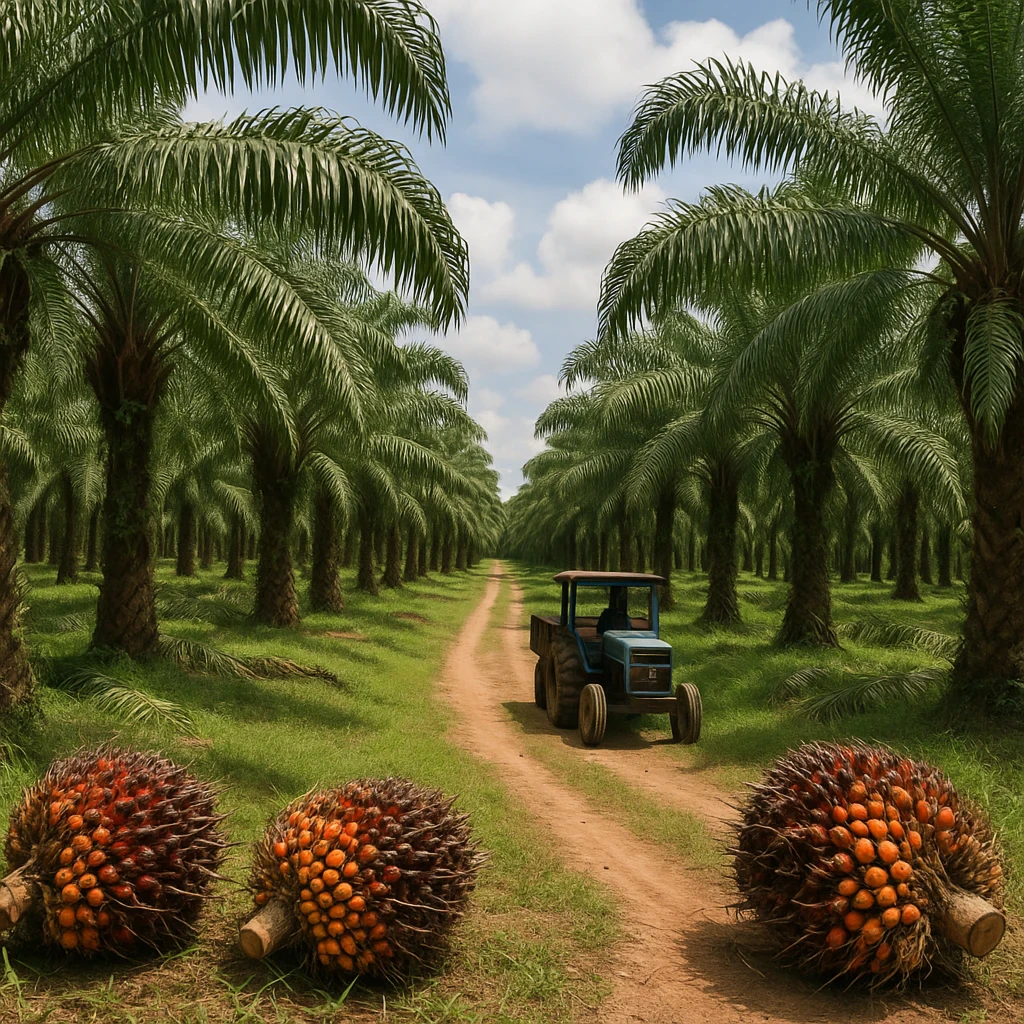
Crude palm oil (CPO) futures held near a three-month high on Thursday, supported by a confluence of supply risks and robust biodiesel demand signals. The benchmark contract on Bursa Malaysia Derivatives remained elevated after climbing in the previous session, as traders weighed Indonesia’s B50 biodiesel rollout against tightening supply expectations.
Indonesia’s B50 biodiesel mandate, launched earlier this month, continues to underpin the market. The policy is expected to absorb additional palm oil volumes, tightening global availability. The Reserve Bank of India flagged biofuel production as a key driver of elevated edible oil prices, citing Indonesia’s mandate in a recent report. The RBI’s commentary reinforces the structural demand shift from energy policy, which analysts say could keep prices elevated even as other vegetable oils ease.
Malaysian palm oil futures have rallied on concerns over a supply squeeze, with production in the world’s second-largest producer facing seasonal headwinds. The Malaysian Palm Oil Council projected CPO prices to stay in a RM4,400–RM4,650 per tonne range for August, reflecting a market caught between tight supply and cautious demand. Meanwhile, rival edible oils and crude oil have firmed, providing additional support to palm oil. The Middle East conflict continues to inject volatility into crude markets, strengthening the correlation between vegetable oil and energy prices.
India, the world’s largest vegetable oil importer, is expected to see edible oil imports surge from July through October as buyers stock up ahead of the festival season. This seasonal demand spike comes at a time when global supplies are already stretched. However, concerns over duty-free imports from Nepal are creating friction for domestic Indian producers. Experts have urged India to make import duties more flexible to balance the needs of consumers and crushers. The country’s heavy reliance on imports, highlighted by recent geopolitical risks, remains a key vulnerability for the market.
Despite the futures rally, physical market demand remains constrained. Buyers on the spot market are showing limited appetite at current elevated levels, with end-users preferring to draw down inventories rather than chase prices. This divergence between paper and physical markets suggests that the upside may be capped unless fresh supply disruptions emerge.
Buyers should monitor Indonesia’s B50 implementation pace and any further supply-side shocks from weather or geopolitical events. India’s import pace ahead of Diwali will be a key demand indicator, while any shift in crude oil prices could quickly spill over into vegetable oil markets.
Sources: Deccan Chronicle; Business Recorder; livemint.com; Business Recorder; finance.biggo.com; The Economic Times
Biodiesel demand prospects and supply concerns push palm oil to three-month high.
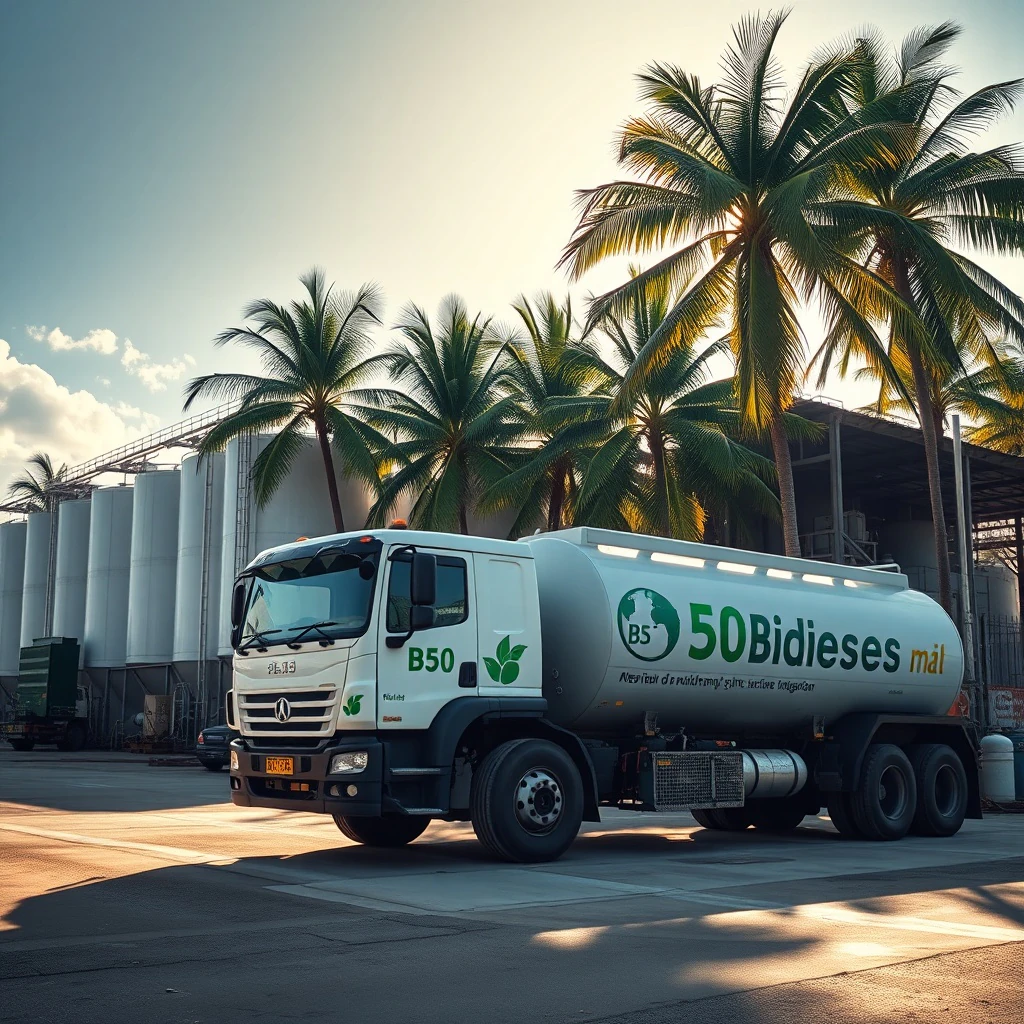
Palm oil futures climbed to a three-month high this week, driven by mounting supply risks and renewed biodiesel demand prospects following Indonesia’s rollout of its B50 biodiesel programme.
The mandatory B50 blend—requiring 50% palm oil-based biodiesel in diesel fuel—was officially launched in mid-July, with implementation details still being phased in. Analysts expect the mandate to absorb an additional 2-3 million tonnes of crude palm oil annually, tightening global availability at a time when production growth in key regions remains subdued.
India’s central bank, the Reserve Bank of India, has linked the broad-based rise in edible oil prices to expanding biofuel mandates, specifically citing Indonesia’s B50 policy. In its latest monetary policy report, the RBI noted that diversion of vegetable oils for fuel production is exerting upward pressure on cooking oil prices across Asia, raising food inflation concerns.
This marks a rare direct acknowledgment by a major central bank of the structural demand shift biofuels are creating in edible oil markets. Compliance-minded buyers, particularly in price-sensitive importing nations, are now reassessing their procurement strategies amid expectations of sustained higher prices.
Beyond policy-driven demand, physical supply constraints are adding to the bullish narrative. Seasonal production patterns in Malaysia and Indonesia have been uneven, while labour shortages and ageing trees continue to cap output growth. The combination of tighter supply and policy-induced demand has pushed benchmark palm oil contracts to levels not seen since April.
For palm oil importers and downstream users, the B50 mandate signals a structural shift in the market’s demand base. Buyers focused on sustainability compliance face the dual challenge of securing certified sustainable palm oil volumes in a tightening market while managing cost exposure.
Regulatory attention is also growing. India’s scrutiny of duty-free edible oil imports from Nepal—which some producers say are being used to circumvent tariffs—highlights the complex trade flows emerging as palm oil prices rise. Meanwhile, Indonesia’s policy could prompt other biodiesel adopters to review their blending targets, potentially amplifying demand further.
Market participants will closely watch Indonesia’s B50 implementation pace and any adjustments to export levies that might accompany the programme. For now, the policy-driven demand shock is the dominant force shaping palm oil’s near-term trajectory.
Sources: Business Recorder; livemint.com; Oils & Fats International; The Jakarta Post; Reuters
A step-by-step look at the critical first day of an oil palm fruit bunch, from field to mill.
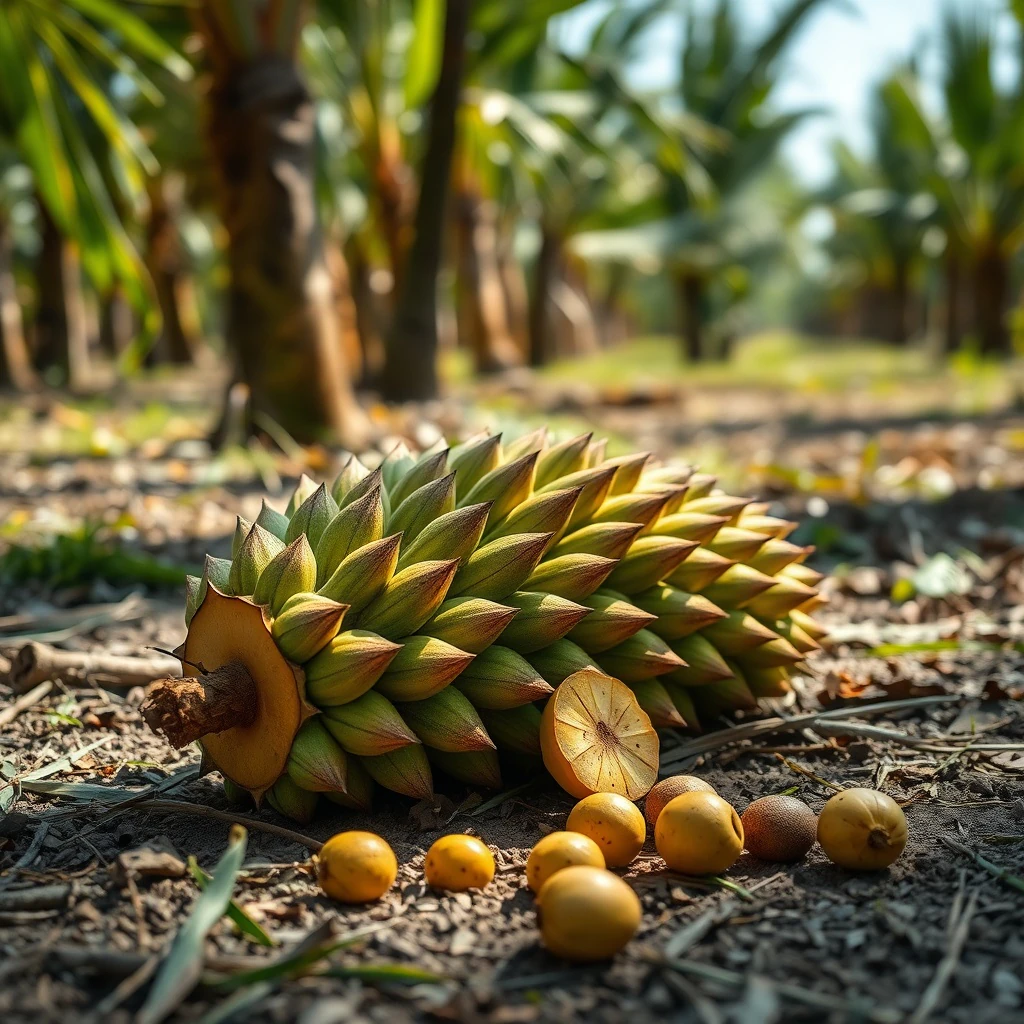
For procurement managers and first-time buyers, understanding the immediate post-harvest handling of the oil palm fruit is essential. The quality of crude palm oil (CPO) is largely determined in the first 24 hours after the fresh fruit bunches (FFB) are cut.
Harvesting begins when the fruit bunches are ripe, indicated by a few loose fruits on the ground. Workers cut the bunch using a long-handled chisel or sickle. The bunch is then placed on the ground, and loose fruits are gathered. This is a manual process, even on large plantations.
Time is the enemy of oil quality. The cut bunch continues to respire, generating heat. If left too long, the natural oil begins to break down, raising free fatty acid (FFA) levels. A high FFA content reduces oil quality and yield. Therefore, FFB are typically transported to the mill within 24 hours of harvest, often much sooner. Trucks or small tractors move the bunches from the field to a central collection point, then to the mill.
At the mill, the FFB are first weighed and inspected. They are then loaded into large horizontal cages called sterilizers. Sterilization is a high-pressure steaming process that lasts about 90 minutes. This stops the enzymatic breakdown of oil, softens the fruit, and loosens the fruitlets from the bunch. It is the most critical step in preserving oil quality.
After sterilization, the bunches are fed into a rotary drum thresher, which separates the fruitlets from the empty bunch stalks. The stalks are often used as fuel. The fruitlets then go to a digester, a heated tank with rotating arms that mash the fruit into a homogeneous oily mash.
The mash is then pressed in a screw press, squeezing out a mixture of crude oil, water, and solids. This mixture is sent to a clarification station, where it is heated and settled. Oil rises to the top, while water and solids settle. The crude oil is then centrifuged, dried, and stored in tanks for refining or export. The entire process, from harvest to crude oil storage, is designed to be completed within this tight 24-hour window to maximize yield and quality.
For buyers, the key takeaway is that the freshness of FFB directly impacts the FFA content of the CPO. Mills that enforce strict 24-hour delivery windows consistently produce lower-FFA oil, which is more valuable for refining into cooking oil, margarine, and industrial fats. A mill's ability to manage this logistics chain is a strong indicator of its operational discipline.
Our market desk connects serious buyers with vetted origin suppliers across Southeast Asia. Indicative pricing, specifications and shipment guidance — free of charge.
Get connected →Biodiesel demand prospects and supply concerns push palm oil to three-month high.
Full story — Page 2 ▸A step-by-step look at the critical first day of an oil palm fruit bunch, from field to mill.
Full story — Page 2 ▸CPO futures steady on biodiesel demand prospects and supply squeeze concerns, with the market eyeing India’s import surge ahead of festivals.
Crude palm oil (CPO) futures held near a three-month high on Thursday, supported by a confluence of supply risks and robust biodiesel demand signals. The benchmark contract on Bursa Malaysia Derivatives remained elevated after climbing in the previous session, as traders weighed Indonesia’s B50 biodiesel rollout against tightening supply expectations.
Indonesia’s B50 biodiesel mandate, launched earlier this month, continues to underpin the market. The policy is expected to absorb additional palm oil volumes, tightening global availability. The Reserve Bank of India flagged biofuel production as a key driver of elevated edible oil prices, citing Indonesia’s mandate in a recent report. The RBI’s commentary reinforces the structural demand shift from energy policy, which analysts say could keep prices elevated even as other vegetable oils ease.
Malaysian palm oil futures have rallied on concerns over a supply squeeze, with production in the world’s second-largest producer facing seasonal headwinds. The Malaysian Palm Oil Council projected CPO prices to stay in a RM4,400–RM4,650 per tonne range for August, reflecting a market caught between tight supply and cautious demand. Meanwhile, rival edible oils and crude oil have firmed, providing additional support to palm oil. The Middle East conflict continues to inject volatility into crude markets, strengthening the correlation between vegetable oil and energy prices.
India, the world’s largest vegetable oil importer, is expected to see edible oil imports surge from July through October as buyers stock up ahead of the festival season. This seasonal demand spike comes at a time when global supplies are already stretched. However, concerns over duty-free imports from Nepal are creating friction for domestic Indian producers. Experts have urged India to make import duties more flexible to balance the needs of consumers and crushers. The country’s heavy reliance on imports, highlighted by recent geopolitical risks, remains a key vulnerability for the market.
Despite the futures rally, physical market demand remains constrained. Buyers on the spot market are showing limited appetite at current elevated levels, with end-users preferring to draw down inventories rather than chase prices. This divergence between paper and physical markets suggests that the upside may be capped unless fresh supply disruptions emerge.
Buyers should monitor Indonesia’s B50 implementation pace and any further supply-side shocks from weather or geopolitical events. India’s import pace ahead of Diwali will be a key demand indicator, while any shift in crude oil prices could quickly spill over into vegetable oil markets.