Indonesia B50 Biodiesel Mandate: Export Revenue vs Domestic Demand
Jakarta’s 50% biodiesel mandate reshapes palm oil flows, risking $2.7 billion in export earnings
Full story — Page 2 ▸
A new edition every morning at sunrise over Jakarta (today, 06:03 WIB). Pick a front page to read the full paper — every edition is kept in the archive.
Benchmark futures hit two-week highs as rival oils and crude climb, while Indonesia's B50 biodiesel mandate tightens domestic supply.
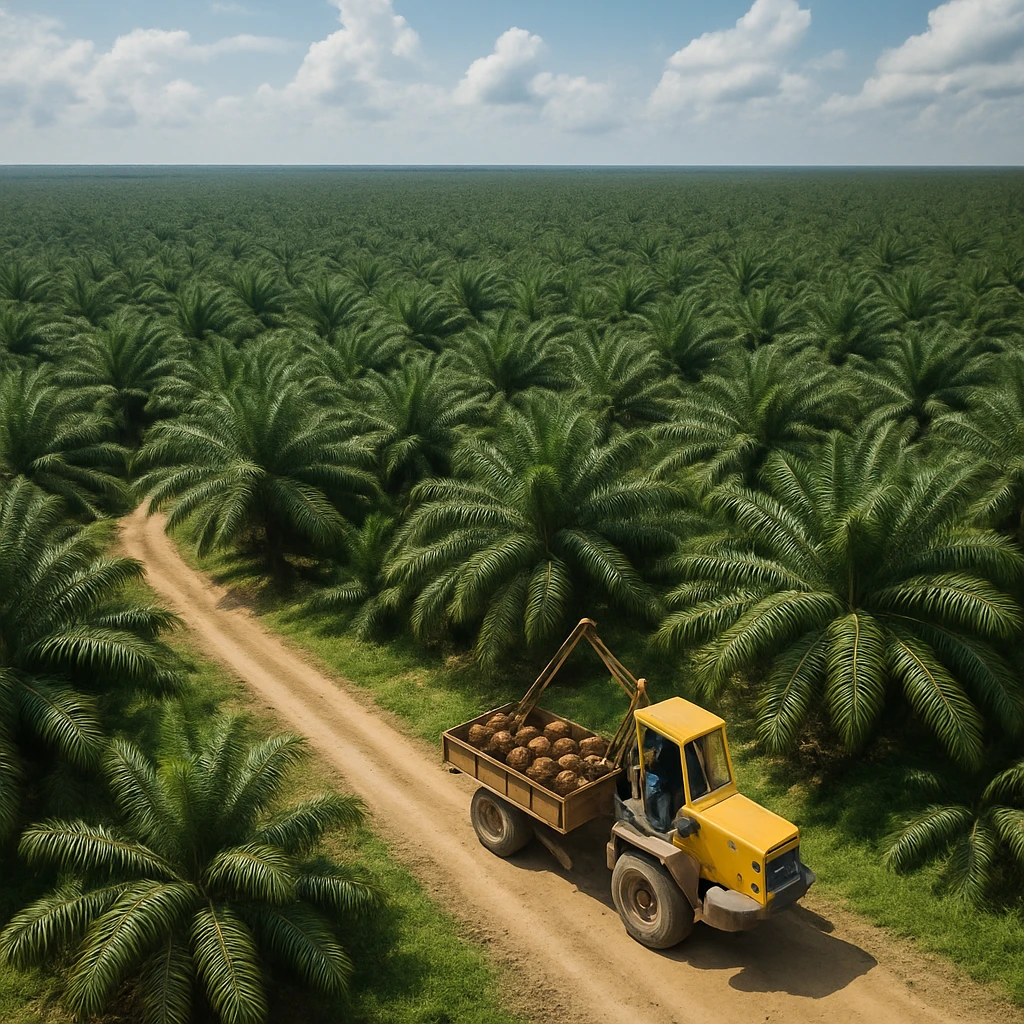
Palm oil futures extended gains on Monday, tracking strength in soybean oil and crude oil markets. The rally pushed prices to a two-week high, supported by bullish momentum in competing vegetable oils and energy markets.
Indonesia's rollout of the B50 biodiesel mandate, announced last week, continues to dominate market sentiment. The policy requires a 50% palm oil-based biodiesel blend, significantly increasing domestic consumption. Analysts estimate the mandate could divert up to $2.7 billion worth of palm oil from export markets, tightening global availability.
Multiple reports confirm the program is now operational, with the government framing it as a key energy security measure to reduce fuel imports. The policy is expected to boost domestic palm oil use by several million tonnes annually, reshaping trade flows.
Indonesia and Russia signed a memorandum of understanding to expand palm oil trade cooperation, potentially opening new export channels for Indonesian producers amid tightening global supply.
Thailand has also tightened palm oil export controls, further constricting regional supply. Meanwhile, EU imports of Malaysian palm oil rose year-on-year, indicating sustained demand from the bloc despite regulatory headwinds.
Soybean oil prices surged to a three-week high, lifted by geopolitical tensions in the US-Iran conflict and rising biofuel demand. Crude oil's advance provided additional support, as higher energy prices improve palm oil's competitiveness as a biodiesel feedstock.
El Niño concerns remain a latent bullish factor, with analysts warning that dry weather could curb production in key growing regions. One research house raised its price forecasts for 2026-27, citing the combined impact of El Niño and Indonesia's biodiesel mandate on supply.
Palm oil prices have rebounded from earlier weakness, but the sustainability of the rally depends on crude oil's trajectory and whether B50 implementation proceeds without logistical bottlenecks. Export volumes will be the key metric to watch.
Takeaway for buyers: Monitor Indonesia's B50 rollout pace and crude oil direction. Any slowdown in mandate enforcement or a drop in energy prices could trigger a correction, but structural supply tightening suggests elevated price floors ahead.
Sources: Finimize; Tempo.co English; energynews.pro; The Jakarta Post; Reuters; Nikkei Asia
Jakarta’s 50% biodiesel mandate reshapes palm oil flows, risking $2.7 billion in export earnings
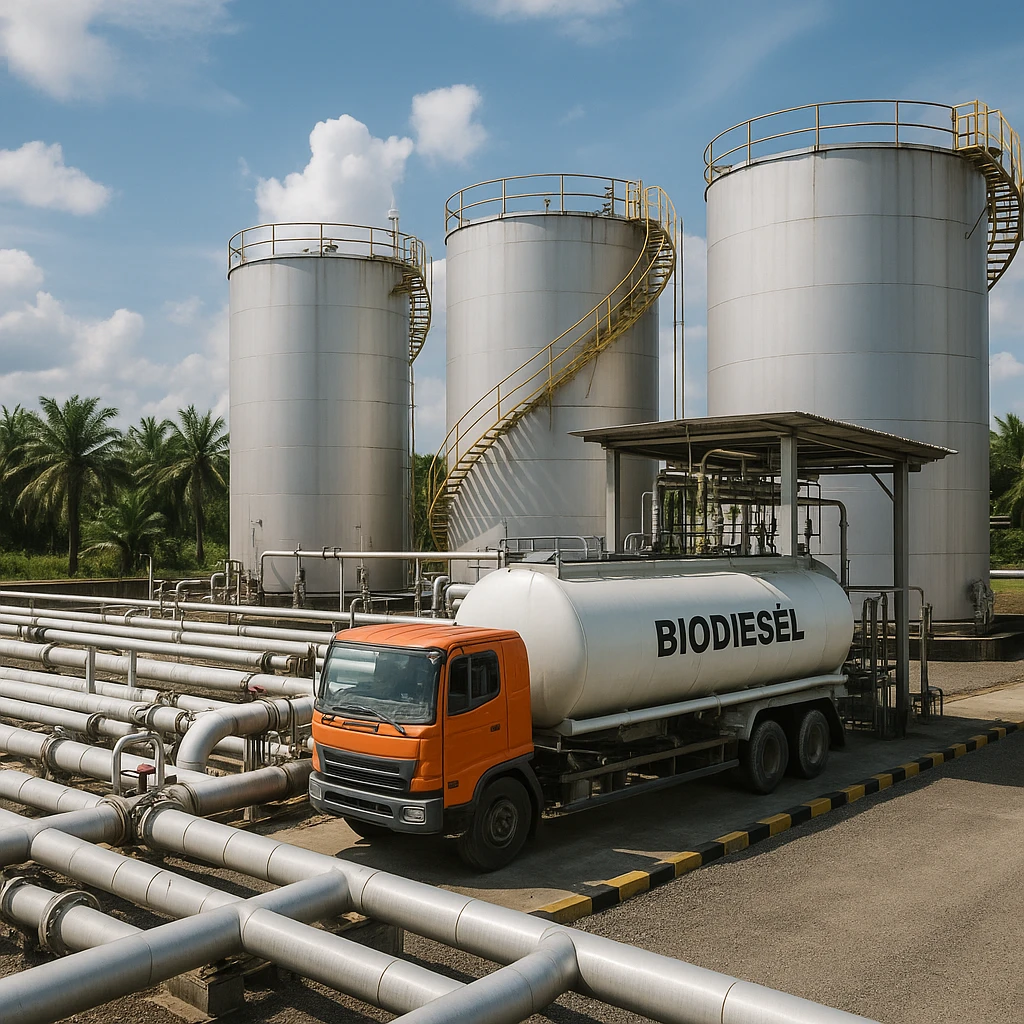
Indonesia’s rollout of the B50 biodiesel mandate is redrawing the supply-demand balance for palm oil, with implications for global trade flows and compliance-minded buyers.
The mandate requires a 50% palm-oil-based biodiesel blend in all diesel fuel sold domestically, sharply increasing local consumption. Analysts estimate the policy could divert palm oil volumes worth roughly $2.7 billion from export markets, as more crude palm oil is processed into biodiesel rather than shipped overseas.
For buyers reliant on Indonesian supply, this means tighter availability and potentially higher premiums for cargoes that remain available for export. The shift is structural, not seasonal, and is expected to persist as long as the mandate is enforced.
The B50 launch coincides with renewed El Niño concerns, which historically curb palm oil yields in Southeast Asia. Combined with rising biodiesel demand, these supply-side pressures have prompted several forecasters to raise price projections for the 2026–27 marketing year.
However, the rally has not been one-directional. A sharp drop in global crude oil prices—below $70 per barrel in late June—has temporarily checked palm oil’s advance. Lower crude values reduce the economic incentive for biodiesel blending, potentially slowing the pace of uptake under B50.
For traders and end-users navigating sustainability mandates and supply security, the key variables are:
The B50 mandate marks a structural shift in Indonesia’s palm oil economy, prioritizing energy self-sufficiency over export revenue. For global buyers, the result is a tighter supply picture, higher baseline prices, and a need for more active risk management.
Palm Oil Economics will continue to monitor policy updates, export data, and blending economics as the mandate takes full effect.
Sources: energynews.pro; The Jakarta Post; Reuters; Nikkei Asia; Bloomberg.com
A practical guide for procurement managers on choosing the right palm oil packaging for order volume and logistics
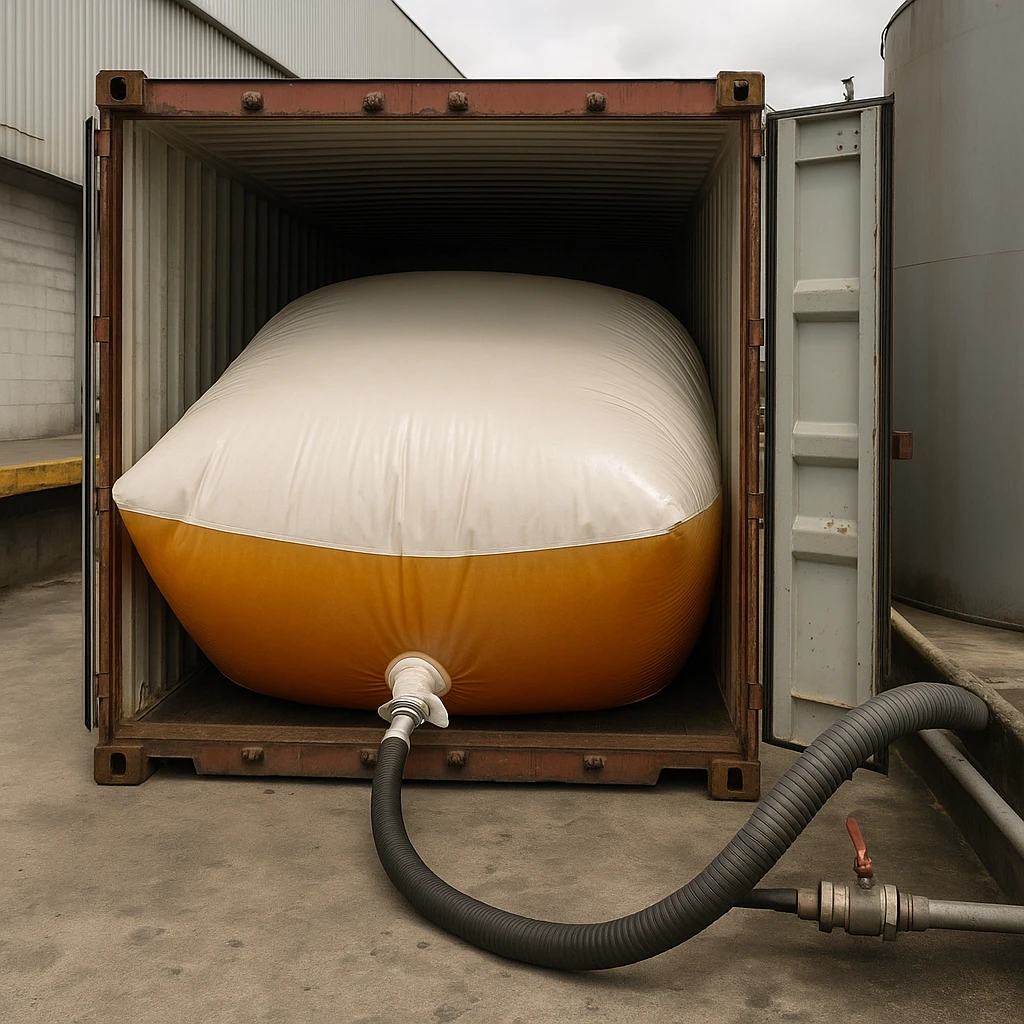
Procurement managers and first-time buyers of palm oil and its derivatives typically face three standard packaging methods: bulk vessels, flexitanks and drums. Each serves a distinct order-size range and carries its own cost, handling and quality considerations.
Bulk vessels are the most economical choice for large volumes, typically from about 1,000 metric tonnes upward. The oil is loaded directly into a ship's tank. This method minimises per-unit packaging cost and reduces waste. However, it requires port-side storage and dedicated receiving infrastructure, such as tanks and pipelines, at the destination.
Flexitanks are large, single-use plastic bladders fitted inside standard 20-foot containers. They hold roughly 16 to 24 tonnes of oil, depending on product density. Flexitanks are suitable for medium-sized orders — from about 16 tonnes up to several hundred tonnes — and offer door-to-door convenience without the need for dedicated storage tanks. They are widely used for refined, bleached and deodorised (RBD) palm olein and other liquid fractions.
Drums — typically 200-litre (55-gallon) steel or plastic containers — are the standard for small orders, often under 16 tonnes. Drums allow easy handling, stacking and re-drumming at destination, and are preferred for specialty products, samples or markets with limited bulk infrastructure. They carry higher per-tonne packaging and freight costs.
Bulk vessels require careful tank-cleaning protocols and segregation between different grades. Cross-contamination risk exists if the vessel previously carried non-edible cargoes.
Flexitanks must be fitted correctly to avoid leakage. They are single-use, so no cleaning is needed, but the container must be structurally sound. Temperature-sensitive products may require insulated containers or heating pads.
Drums are robust but prone to denting and label damage. They require more labour for loading, unloading and disposal. Buyers should specify if drums need to be food-grade, UN-rated or lined.
Per-tonne packaging cost rises sharply from bulk to flexitank to drum. Bulk shipping typically adds about $5–$15 per tonne in packaging and handling. Flexitanks add roughly $30–$60 per tonne. Drums can add $100–$200 per tonne or more, depending on drum type and destination.
Freight cost also varies: bulk vessels charge by tonne-mile, while containerised flexitanks and drums incur per-container rates. For small volumes, drums may be cheaper overall due to lower minimum freight commitments.
First-time buyers should start with the smallest practical packaging to test product quality and logistics. Once demand is stable, they can scale up to flexitanks or bulk to reduce per-tonne cost. Always request a packaging specification sheet from the supplier and confirm that the packaging is compatible with the product's melting point and storage conditions.
Palm oil economics favour bulk for volume, flexitank for flexibility and drums for entry-level orders. The right choice depends on order size, infrastructure and budget.
Our market desk connects serious buyers with vetted origin suppliers across Southeast Asia. Indicative pricing, specifications and shipment guidance — free of charge.
Get connected →Jakarta’s 50% biodiesel mandate reshapes palm oil flows, risking $2.7 billion in export earnings
Full story — Page 2 ▸A practical guide for procurement managers on choosing the right palm oil packaging for order volume and logistics
Full story — Page 2 ▸Benchmark futures hit two-week highs as rival oils and crude climb, while Indonesia's B50 biodiesel mandate tightens domestic supply.
Palm oil futures extended gains on Monday, tracking strength in soybean oil and crude oil markets. The rally pushed prices to a two-week high, supported by bullish momentum in competing vegetable oils and energy markets.
Indonesia's rollout of the B50 biodiesel mandate, announced last week, continues to dominate market sentiment. The policy requires a 50% palm oil-based biodiesel blend, significantly increasing domestic consumption. Analysts estimate the mandate could divert up to $2.7 billion worth of palm oil from export markets, tightening global availability.
Multiple reports confirm the program is now operational, with the government framing it as a key energy security measure to reduce fuel imports. The policy is expected to boost domestic palm oil use by several million tonnes annually, reshaping trade flows.
Indonesia and Russia signed a memorandum of understanding to expand palm oil trade cooperation, potentially opening new export channels for Indonesian producers amid tightening global supply.
Thailand has also tightened palm oil export controls, further constricting regional supply. Meanwhile, EU imports of Malaysian palm oil rose year-on-year, indicating sustained demand from the bloc despite regulatory headwinds.
Soybean oil prices surged to a three-week high, lifted by geopolitical tensions in the US-Iran conflict and rising biofuel demand. Crude oil's advance provided additional support, as higher energy prices improve palm oil's competitiveness as a biodiesel feedstock.
El Niño concerns remain a latent bullish factor, with analysts warning that dry weather could curb production in key growing regions. One research house raised its price forecasts for 2026-27, citing the combined impact of El Niño and Indonesia's biodiesel mandate on supply.
Palm oil prices have rebounded from earlier weakness, but the sustainability of the rally depends on crude oil's trajectory and whether B50 implementation proceeds without logistical bottlenecks. Export volumes will be the key metric to watch.
Takeaway for buyers: Monitor Indonesia's B50 rollout pace and crude oil direction. Any slowdown in mandate enforcement or a drop in energy prices could trigger a correction, but structural supply tightening suggests elevated price floors ahead.
Indonesia's B50 rollout boosts demand outlook, but falling soy and crude oil weigh on prices.
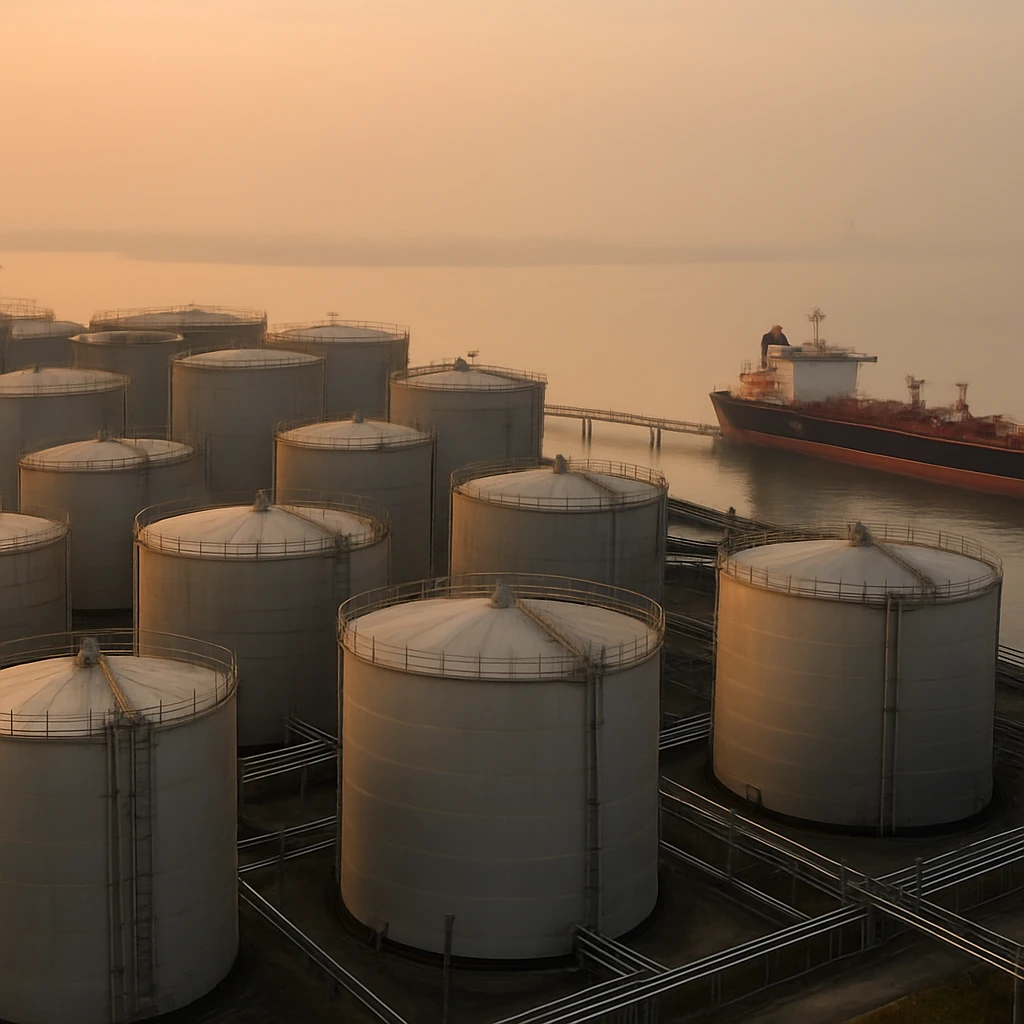
Palm oil markets ended the week on a mixed note, with Malaysian crude palm oil futures drifting lower on July 11 amid weakness in rival vegetable oils and crude oil. The decline followed a brief rally that had pushed prices to a two-week high earlier in the session, underscoring the tug-of-war between supportive domestic policy and bearish external signals.
The most significant structural development this week was Indonesia's formal rollout of the B50 biodiesel mandate, which requires a 50% palm oil-based biodiesel blend. Multiple reports confirm the policy is now in effect, with the government framing it as a tool to boost domestic palm oil consumption and cut fuel imports. Analysts estimate the mandate could divert up to $2.7 billion worth of palm oil from export markets annually, tightening global supply availability.
This domestic demand boost comes at a time when El Niño-related production concerns are already underpinning price forecasts. Hong Leong Investment Bank raised its palm oil price outlook for 2026-27, citing the combination of El Niño risks and Indonesia's biodiesel expansion. The policy shift is expected to structurally reduce exportable surplus from the world's largest producer.
Despite the bullish demand narrative, palm oil prices came under pressure on July 10 as soybean oil and crude oil both declined. The correlation with crude oil remains critical for biodiesel feedstock values, while soybean oil's slide reflected easing concerns over US-Iran tensions that had earlier lifted soybean oil to a three-week high. The interplay between geopolitical risk and vegetable oil markets continues to inject volatility.
Thailand's recent tightening of palm oil exports is reshaping regional supply flows, potentially redirecting buyers toward Malaysian and Indonesian origins. Meanwhile, EU imports of Malaysian palm oil have risen year-on-year, indicating steady demand from the bloc despite sustainability scrutiny. On the demand side, India and China recently signed an edible oil trade pact that could increase soybean oil imports, potentially capping palm oil's premium in the world's largest vegetable oil market.
Monitor the pace of Indonesia's B50 implementation and any adjustments to export levies, as these will determine how much supply is diverted from the global market. External cues from crude oil and soybean oil remain the primary near-term price drivers, but the structural demand shift from biodiesel is building a long-term floor under prices.
Sources: Business Recorder; energynews.pro; The Jakarta Post; Moomoo; Reuters; Nikkei Asia
Higher domestic biodiesel demand squeezes exportable volumes, raising compliance costs for buyers.
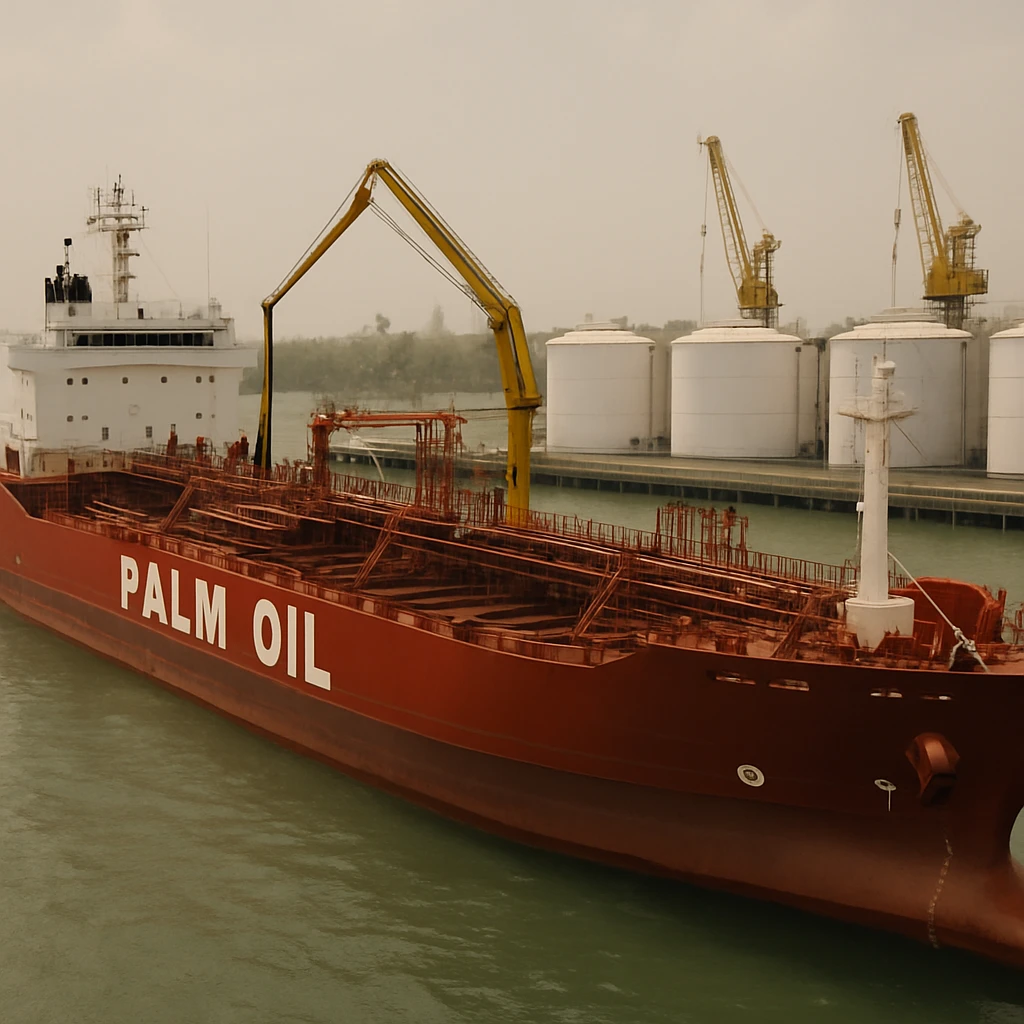
Indonesia’s rollout of the B50 biodiesel mandate—requiring 50% palm oil-based fuel blend—is reshaping global palm oil supply dynamics. The policy, confirmed in early July 2026, aims to cut fuel imports and boost domestic palm oil consumption, but analysts warn it could divert up to $2.7 billion worth of export-grade crude palm oil (CPO) into the energy sector.
With B50 absorbing a significantly larger share of domestic CPO output, exportable surplus is shrinking. This comes at a time when El Niño concerns are already pressuring yields across Southeast Asia. The combination of weather risk and mandated biodiesel demand is creating a structural tightening in available export volumes.
Industry estimates suggest Indonesia’s biodiesel program could absorb an additional 3-4 million tonnes of CPO annually compared to the previous B35 blend. For international buyers, this means thinner spot availability and higher premiums for certified sustainable palm oil (CSPO) that meets European and North American compliance standards.
Palm oil futures have already rallied on the news, with analysts raising price forecasts for 2026-27. The dual shock—biodiesel demand growth and El Niño supply risk—is likely to keep benchmark prices elevated. For compliance-minded buyers, the squeeze on Indonesian exports may force greater reliance on Malaysian and Thai origins, though those markets also face weather-related output constraints.
European Union importers, already navigating deforestation regulation (EUDR) requirements, will face additional cost pressure as Indonesian CPO becomes scarcer and more expensive. The B50 mandate may also accelerate demand for alternative feedstocks like used cooking oil (UCO) and animal fats in the EU biodiesel sector.
Indonesia’s energy security push is now a dominant driver of global palm oil balances. While the policy supports domestic crude palm oil prices and reduces diesel import bills, it effectively transfers supply risk from the energy sector to the edible oils and oleochemicals markets. Buyers should expect continued volatility and are advised to secure longer-term contracts with flexible origin clauses.
The B50 mandate is not expected to be reversed, given its strategic importance for Indonesia’s energy independence. Market participants will watch for any adjustments to the blending rate or export levy mechanisms that could ease the supply squeeze.
Sources: energynews.pro; The Jakarta Post; Reuters; Nikkei Asia; Bloomberg.com
How hydrogenation alters palm oil’s physical properties and shelf life, and what it means for procurement decisions.

Hydrogenation is a chemical process that adds hydrogen atoms to the unsaturated fatty-acid chains in vegetable oils. In palm-based fats, this reaction converts liquid oil into semi-solid or solid fat by raising the melting point. The process is widely used in the edible-oil industry to tailor texture, stability and performance for specific food applications.
Palm oil naturally contains about 50% saturated fat and 50% unsaturated fat (mainly oleic and linoleic acids). During hydrogenation, hydrogen gas is bubbled through heated oil in the presence of a metal catalyst — typically nickel. The catalyst speeds up the addition of hydrogen at the double bonds of unsaturated molecules. As double bonds are saturated, the oil becomes more solid at room temperature.
Partial hydrogenation stops the reaction before all double bonds are saturated. This produces a semi-solid fat with a controlled melting profile, ideal for margarines, shortenings and confectionery coatings. However, partial hydrogenation also creates trans-fatty acids — unsaturated fats with a different molecular shape that are linked to health concerns.
Full hydrogenation saturates all double bonds, yielding a very hard, waxy fat with a melting point above 50°C. This fully saturated fat contains no trans fats, but it is too brittle for most direct food uses and is often blended with liquid oils.
Hydrogenated palm fats have several properties important for buyers:
Hydrogenation is not the only way to modify palm oil. Many buyers will encounter interesterification, a chemical or enzymatic rearrangement of fatty acids on the glycerol backbone. This process can achieve similar solid-fat profiles without generating trans fats. Blending hydrogenated palm stearin with liquid oils is also common.
When sourcing hydrogenated palm products, procurement managers should:
Hydrogenation remains a fundamental tool for modifying palm oil’s functional properties. For buyers, the key trade-off is between achieving precise melting and stability characteristics versus managing trans-fat content and processing costs. Neutral knowledge of this chemistry helps in specifying the right product for each application.
Our market desk connects serious buyers with vetted origin suppliers across Southeast Asia. Indicative pricing, specifications and shipment guidance — free of charge.
Get connected →Higher domestic biodiesel demand squeezes exportable volumes, raising compliance costs for buyers.
Full story — Page 2 ▸How hydrogenation alters palm oil’s physical properties and shelf life, and what it means for procurement decisions.
Full story — Page 2 ▸Indonesia's B50 rollout boosts demand outlook, but falling soy and crude oil weigh on prices.
Palm oil markets ended the week on a mixed note, with Malaysian crude palm oil futures drifting lower on July 11 amid weakness in rival vegetable oils and crude oil. The decline followed a brief rally that had pushed prices to a two-week high earlier in the session, underscoring the tug-of-war between supportive domestic policy and bearish external signals.
The most significant structural development this week was Indonesia's formal rollout of the B50 biodiesel mandate, which requires a 50% palm oil-based biodiesel blend. Multiple reports confirm the policy is now in effect, with the government framing it as a tool to boost domestic palm oil consumption and cut fuel imports. Analysts estimate the mandate could divert up to $2.7 billion worth of palm oil from export markets annually, tightening global supply availability.
This domestic demand boost comes at a time when El Niño-related production concerns are already underpinning price forecasts. Hong Leong Investment Bank raised its palm oil price outlook for 2026-27, citing the combination of El Niño risks and Indonesia's biodiesel expansion. The policy shift is expected to structurally reduce exportable surplus from the world's largest producer.
Despite the bullish demand narrative, palm oil prices came under pressure on July 10 as soybean oil and crude oil both declined. The correlation with crude oil remains critical for biodiesel feedstock values, while soybean oil's slide reflected easing concerns over US-Iran tensions that had earlier lifted soybean oil to a three-week high. The interplay between geopolitical risk and vegetable oil markets continues to inject volatility.
Thailand's recent tightening of palm oil exports is reshaping regional supply flows, potentially redirecting buyers toward Malaysian and Indonesian origins. Meanwhile, EU imports of Malaysian palm oil have risen year-on-year, indicating steady demand from the bloc despite sustainability scrutiny. On the demand side, India and China recently signed an edible oil trade pact that could increase soybean oil imports, potentially capping palm oil's premium in the world's largest vegetable oil market.
Monitor the pace of Indonesia's B50 implementation and any adjustments to export levies, as these will determine how much supply is diverted from the global market. External cues from crude oil and soybean oil remain the primary near-term price drivers, but the structural demand shift from biodiesel is building a long-term floor under prices.
Export revenue risk and domestic demand surge drive prices to two-week highs
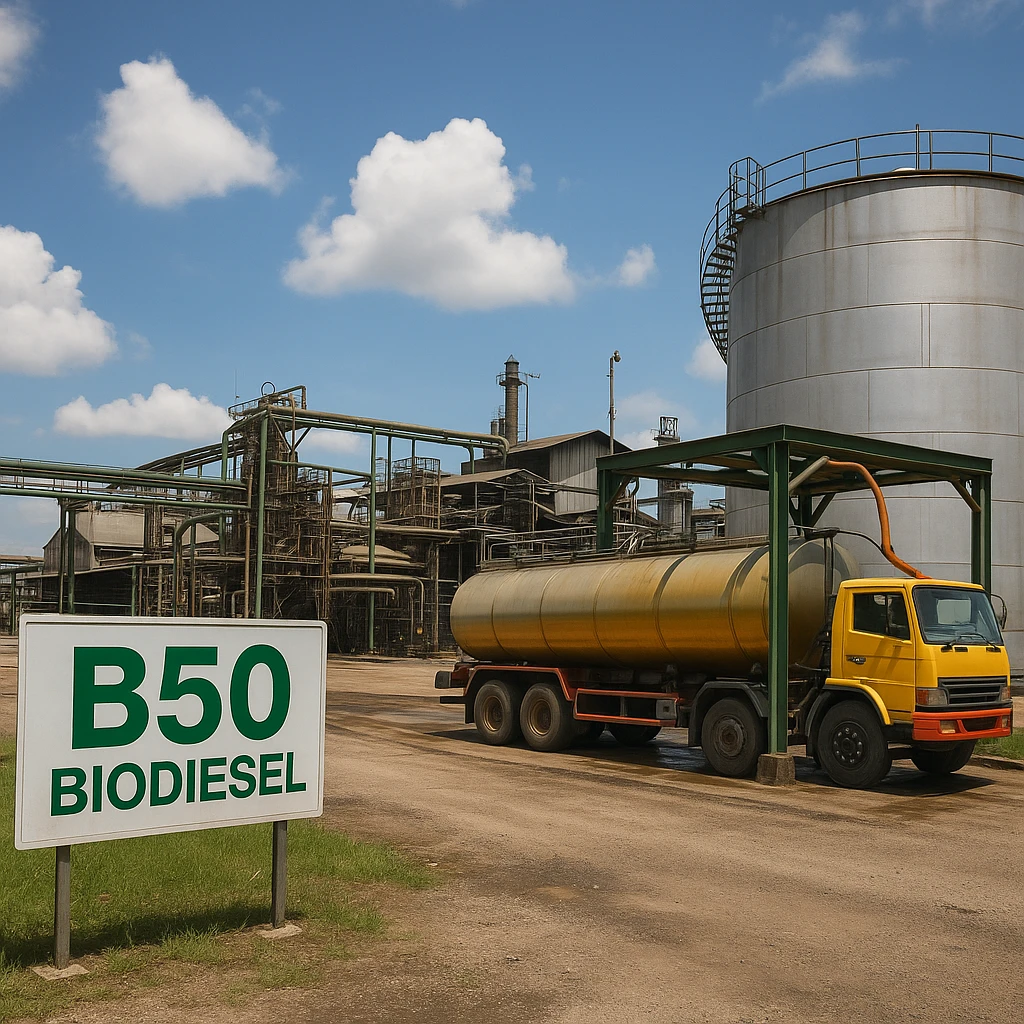
Indonesia’s rollout of the B50 biodiesel mandate is reshaping the palm oil market, with analysts estimating a potential $2.7 billion loss in export revenue as domestic consumption rises. The policy, launched this week, requires a 50% palm oil blend in biodiesel, boosting local demand and tightening global supplies.
Palm oil futures climbed to a two-week high, supported by strength in rival vegetable oils and crude oil. Soybean oil also rose to a three-week high amid geopolitical tensions in the Middle East, which have lifted biofuel demand expectations. The rally reflects broader market anticipation of reduced export availability from Indonesia, the world’s largest palm oil producer.
The B50 mandate is expected to divert significant volumes of palm oil from export markets to domestic biodiesel production. This shift could reduce Indonesia’s export revenue by $2.7 billion, according to industry estimates. Meanwhile, Thailand has tightened its palm oil export controls, further reshaping regional supply flows. European Union imports of Malaysian palm oil have increased year-on-year, indicating sustained demand from key buyers.
El Niño concerns add to supply uncertainty, with analysts raising price forecasts for 2026-27. The combination of weather risks and biodiesel-driven demand is tightening global stocks, supporting a bullish outlook.
India and China have signed an edible oil trade pact to boost soybean oil imports, potentially easing pressure on palm oil demand from the two largest vegetable oil importers. However, the immediate impact of Indonesia’s biodiesel policy is expected to keep palm oil prices elevated relative to other oils.
Monitor Indonesia’s B50 implementation pace and export allocation data closely. Any delays or adjustments in the mandate could shift price direction, while El Niño developments will remain a key supply risk through the second half of 2026.
Sources: energynews.pro; The Jakarta Post; Reuters; Nikkei Asia; Bloomberg.com; UkrAgroConsult
Policy trade-off emerges as Indonesia's 50% biodiesel mandate boosts local palm oil use but threatens $2.7 billion in export earnings.
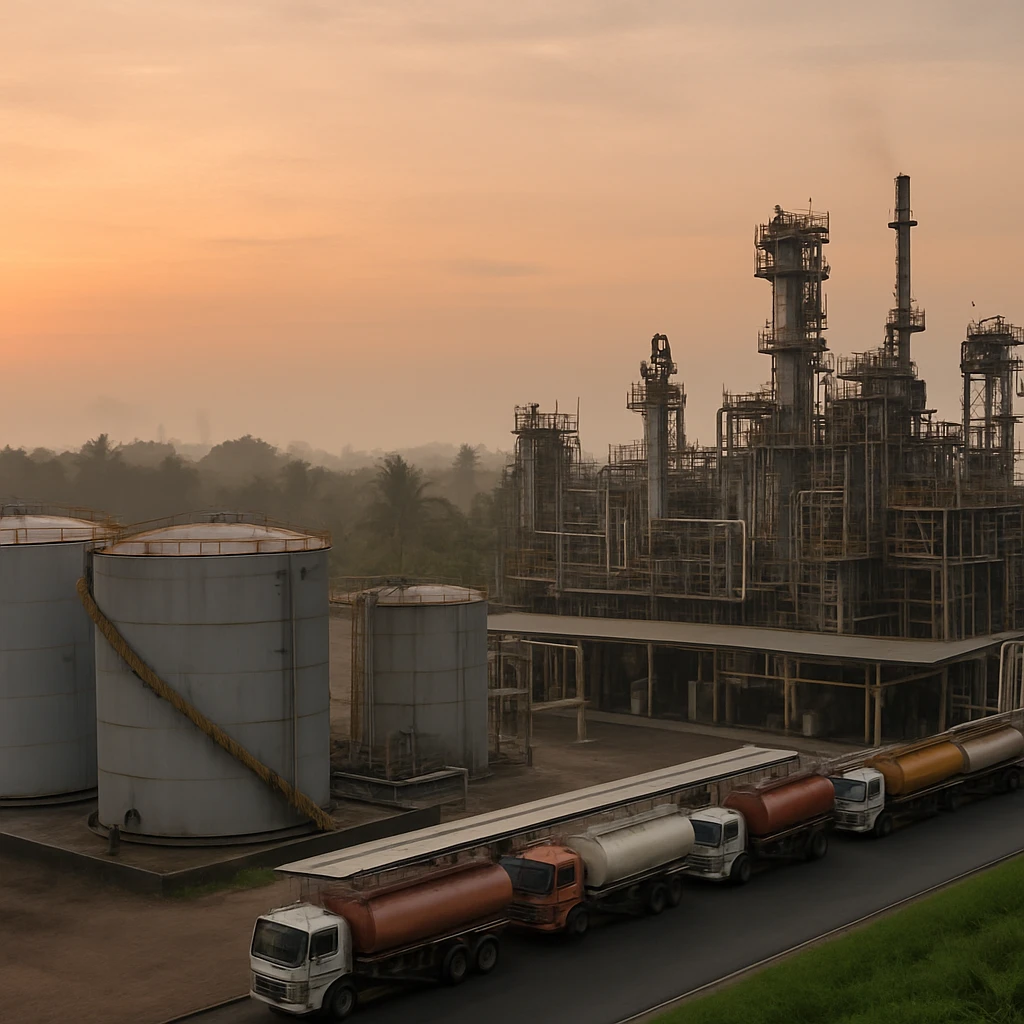
Indonesia has officially rolled out its B50 biodiesel mandate, requiring a 50% palm oil-based biodiesel blend in diesel fuel. The policy, announced in early July 2026, is designed to cut fuel imports and strengthen energy security. Industry sources estimate the mandate could divert up to $2.7 billion worth of palm oil from export markets to domestic biodiesel production.
The B50 program represents a structural shift in palm oil demand. Domestic biodiesel consumption will absorb a significantly larger share of Indonesia's crude palm oil output, tightening availability for traditional buyers in India, China, the EU and other importing regions. The mandate comes at a time when global supply is already under pressure from El Niño-related weather concerns, which have raised production uncertainty across Southeast Asia.
Analysts have revised palm oil price forecasts upward for 2026-27, citing both the biodiesel demand boost and potential output shortfalls. Higher domestic absorption means less palm oil flows into export channels, potentially supporting benchmark prices in the near to medium term.
For compliance-minded buyers, the B50 mandate introduces new layers of risk and complexity. Export volumes from Indonesia are likely to shrink, forcing importers to seek alternative origins such as Malaysia or Thailand, or to adjust their vegetable oil procurement strategies. Buyers with sustainability commitments should monitor how the increased domestic biodiesel demand affects land-use and deforestation pressures, as well as the availability of certified sustainable palm oil.
The policy underscores a classic trade-off: Indonesia gains energy independence and supports its domestic palm oil industry, but risks losing export revenue and market share. The $2.7 billion export revenue estimate highlights the scale of potential displacement. Market participants will watch how the government balances these competing priorities, and whether any adjustments to export levies or domestic supply obligations follow.
Palm oil economics now hinges on the interplay between biodiesel blending mandates, weather-driven production risks, and shifting global trade flows. Buyers and traders should factor in tighter supply fundamentals and elevated price volatility as the B50 mandate takes effect.
Sources: energynews.pro; The Jakarta Post; Reuters; Nikkei Asia; Bloomberg.com
Crude palm oil and palm kernel oil come from the same fruit but differ in composition, uses and market dynamics.

The oil palm fruit is a drupe that naturally produces two distinct oils. Understanding the difference between crude palm oil (CPO) and palm kernel oil (PKO) is essential for procurement managers and first-time buyers navigating the palm oil market.
The oil palm bunch contains hundreds of individual fruits. Each fruit has three layers: the outer skin (exocarp), the fleshy mesocarp, and a hard endocarp (shell) that protects a single kernel. The mesocarp yields CPO; the kernel yields PKO. Both are extracted in separate processes.
CPO is pressed from the fleshy mesocarp. It is semi-solid at room temperature, rich in palmitic acid (about 44%) and oleic acid (about 39%). Its balanced fatty-acid profile makes it versatile for cooking oils, margarine, shortening and frying fats. CPO also contains carotenoids (giving it a reddish colour) and vitamin E tocotrienols. Refining removes colour and odour for edible uses.
PKO is extracted from the kernel after the shell is cracked. It is highly saturated (about 80% lauric acid), similar to coconut oil. PKO is solid at cooler temperatures and used primarily in confectionery, ice cream, non-dairy creamers, cocoa butter substitutes and personal-care products such as soap and cosmetics. Its lauric content gives it quick melting properties and good lathering ability.
At the mill, fresh fruit bunches are sterilised, stripped and digested. The mesocarp is pressed to release CPO. The nuts are separated, dried and cracked to recover kernels, which are then pressed or solvent-extracted to yield PKO. CPO yields per bunch are roughly 20–25% of fruit weight; PKO yields are about 2–5%.
CPO and PKO trade on separate price curves. CPO is the larger-volume commodity, influenced by edible-oil demand and biodiesel mandates. PKO prices are more volatile, driven by lauric-oil supply from coconut and palm kernel sources. Buyers should specify which oil they need, as substitution is limited by different melting points and fatty-acid profiles.
Both oils originate from the same fruit but serve distinct industrial roles. Knowing their differences helps buyers avoid costly specification errors.
This space reaches palm oil buyers, traders and industry readers every day. Sponsorship and advertising enquiries are welcome — get in touch:
Policy trade-off emerges as Indonesia's 50% biodiesel mandate boosts local palm oil use but threatens $2.7 billion in export earnings.
Full story — Page 2 ▸Crude palm oil and palm kernel oil come from the same fruit but differ in composition, uses and market dynamics.
Full story — Page 2 ▸Export revenue risk and domestic demand surge drive prices to two-week highs
Indonesia’s rollout of the B50 biodiesel mandate is reshaping the palm oil market, with analysts estimating a potential $2.7 billion loss in export revenue as domestic consumption rises. The policy, launched this week, requires a 50% palm oil blend in biodiesel, boosting local demand and tightening global supplies.
Palm oil futures climbed to a two-week high, supported by strength in rival vegetable oils and crude oil. Soybean oil also rose to a three-week high amid geopolitical tensions in the Middle East, which have lifted biofuel demand expectations. The rally reflects broader market anticipation of reduced export availability from Indonesia, the world’s largest palm oil producer.
The B50 mandate is expected to divert significant volumes of palm oil from export markets to domestic biodiesel production. This shift could reduce Indonesia’s export revenue by $2.7 billion, according to industry estimates. Meanwhile, Thailand has tightened its palm oil export controls, further reshaping regional supply flows. European Union imports of Malaysian palm oil have increased year-on-year, indicating sustained demand from key buyers.
El Niño concerns add to supply uncertainty, with analysts raising price forecasts for 2026-27. The combination of weather risks and biodiesel-driven demand is tightening global stocks, supporting a bullish outlook.
India and China have signed an edible oil trade pact to boost soybean oil imports, potentially easing pressure on palm oil demand from the two largest vegetable oil importers. However, the immediate impact of Indonesia’s biodiesel policy is expected to keep palm oil prices elevated relative to other oils.
Monitor Indonesia’s B50 implementation pace and export allocation data closely. Any delays or adjustments in the mandate could shift price direction, while El Niño developments will remain a key supply risk through the second half of 2026.
Biodiesel mandate launch supports prices, but allocation uncertainty and export cut risks keep market on edge.
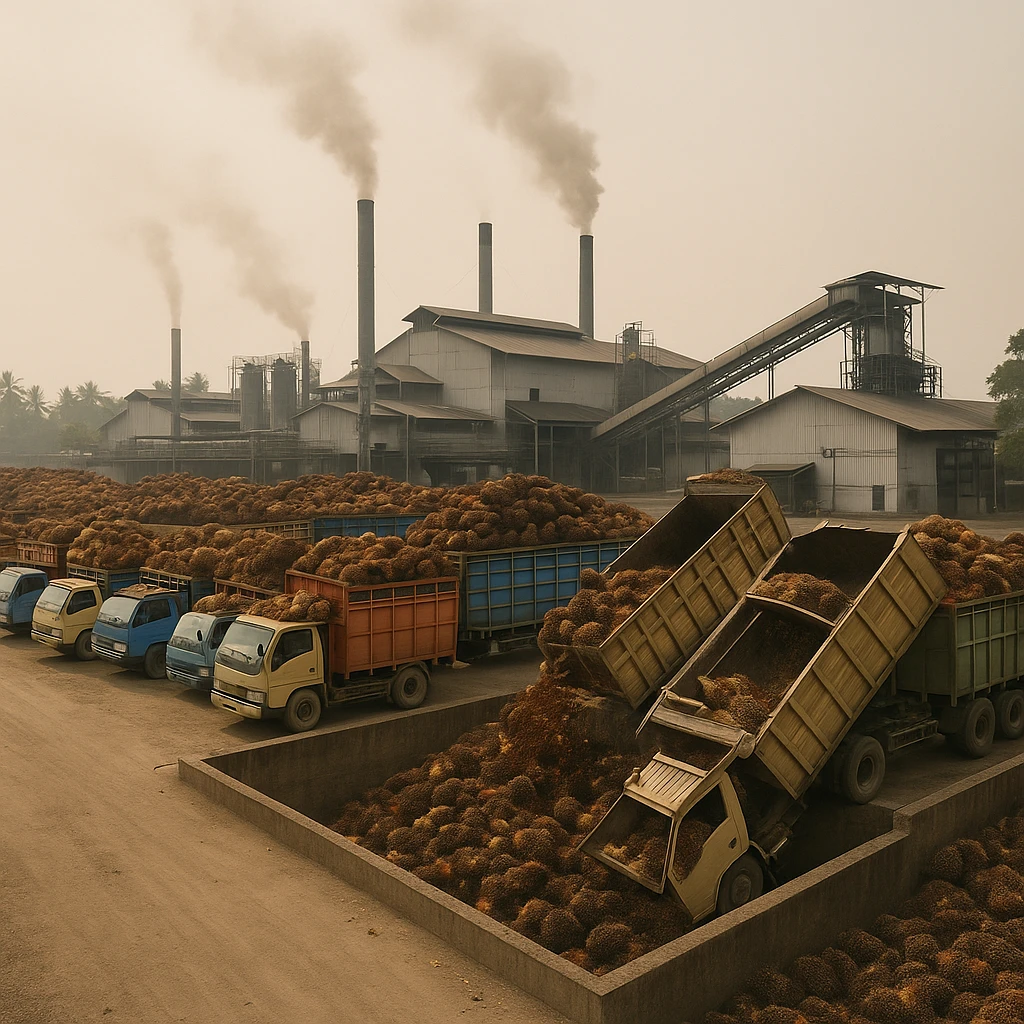
Palm oil futures rallied to a two-week high on Wednesday, buoyed by Indonesia's formal launch of its B50 biodiesel mandate and strength in rival vegetable oils and crude oil.
Indonesia officially rolled out the B50 biodiesel blend on July 9, a policy aimed at curbing fuel imports and bolstering energy security amid rising global oil prices. The mandate mandates a 50% palm oil-based biodiesel blend, which analysts estimate could divert up to 2.7 billion dollars worth of palm oil from export markets annually, according to a Jakarta Globe report.
However, market enthusiasm was tempered by ongoing uncertainty over allocation details. Business Recorder noted that palm futures slipped earlier in the session as traders awaited clarity on how the mandate will be implemented and what volumes will be absorbed domestically.
Beyond biodiesel, supply-side concerns are mounting. El Niño weather patterns are threatening yields in key producing regions, with HLIB raising its price forecasts for 2026-27 on expectations of tighter supply. ChemAnalyst reported that palm oil surged on a combination of El Niño fears and the biodiesel boom.
Thailand has also tightened palm oil export controls, reshaping regional supply dynamics, according to the Indonesia Business Post. Meanwhile, EU imports of Malaysian palm oil rose year-on-year, signaling steady demand from the bloc despite sustainability scrutiny.
Soybean oil hit a three-week high amid US-Iran tensions that lifted crude oil prices and biofuel demand. Reuters noted palm rose over 1% on July 8, supported by strength in rival oils and crude. The positive cross-commodity sentiment has provided a tailwind for palm, which competes for share in the global vegetable oil pool.
Palm oil prices are now trading near the upper end of MPOC's forecast range of RM4,400 to RM4,650 for July, as supply outlook tightens. The combination of Indonesia's B50 mandate, El Niño risks, and export restrictions from Thailand is reshaping the supply-demand balance.
Buyers should monitor Indonesia's final allocation rules for B50 and any updates on El Niño's impact on yields. Any clarity on domestic absorption volumes could either ease or amplify export supply fears, directly influencing price direction in the weeks ahead.
Sources: The Globe and Mail; Nikkei Asia; Business Recorder; Devdiscourse; Bloomberg.com; UkrAgroConsult
New biodiesel blend targets fuel-import cuts but threatens export availability and price stability.
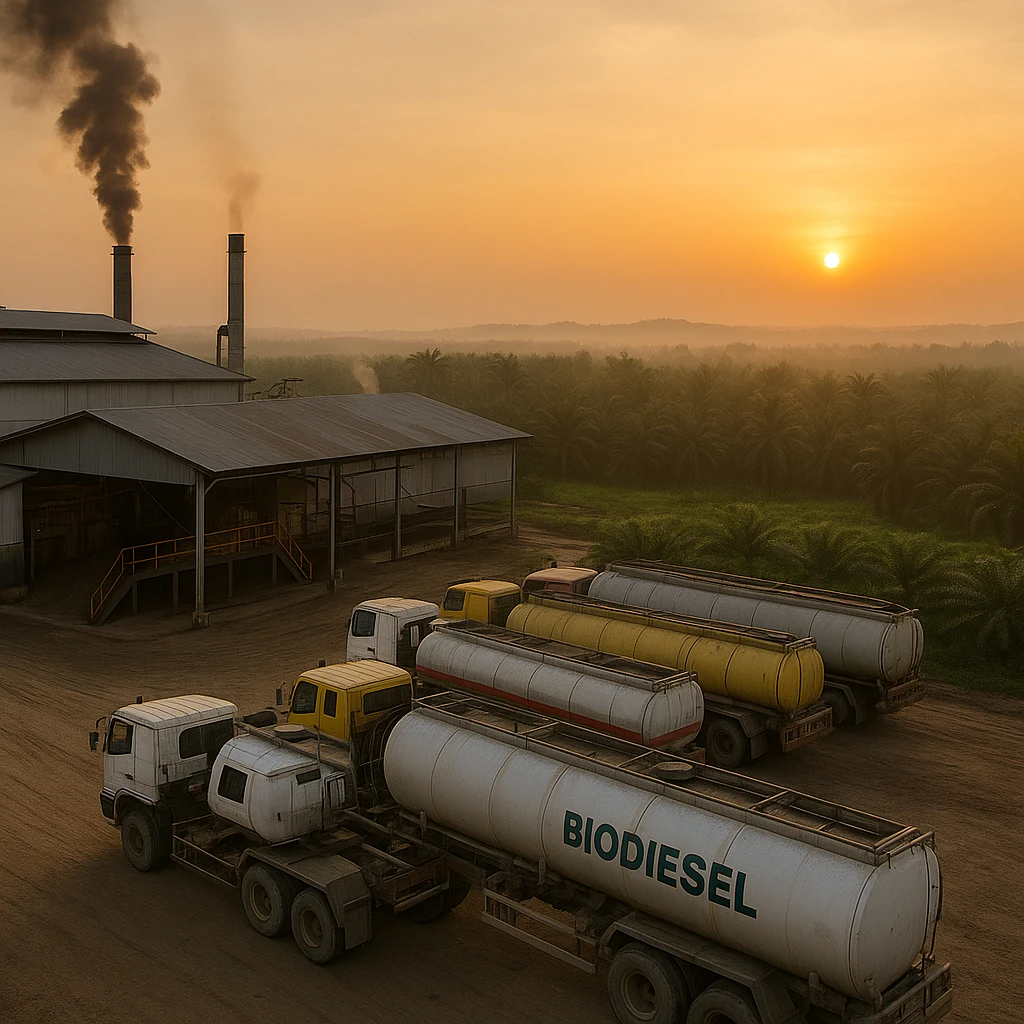
Indonesia’s formal launch of the B50 biodiesel mandate marks a major escalation in the country’s biofuel policy, with immediate implications for global palm oil supply and demand. The 50% palm-oil-based blend requirement, confirmed by multiple reports in early July 2026, is designed to curb fuel imports and strengthen energy security. However, the policy is already creating uncertainty in palm oil markets, as traders assess how much crude palm oil will be diverted from exports to meet domestic biodiesel obligations.
Industry analysts estimate that the B50 program could reduce palm oil export availability by up to $2.7 billion in value, according to trade projections. This diversion comes at a time when global supply is already under pressure from El Niño-related weather concerns in key growing regions. The combination of rising biodiesel demand and potential production shortfalls has prompted several research houses to raise their price forecasts for 2026 and 2027. Higher crude oil prices have also improved the economic case for biodiesel blending, encouraging broader adoption among Indonesian consumers.
Despite the official launch, market participants remain cautious. Reports indicate ongoing uncertainty over the allocation mechanism for biodiesel volumes, which has contributed to recent price slips in palm oil futures. The policy’s success depends on consistent enforcement and adequate infrastructure, both of which have faced challenges in previous mandate rollouts. A sharp decline in global oil prices, as seen in late June, could undermine the blending economics and test the mandate’s resilience.
For compliance-minded buyers, the B50 mandate signals a structural shift in Indonesia’s palm oil supply chain. Export volumes are likely to tighten further if domestic biodiesel consumption rises as planned. Buyers should monitor allocation quotas and any adjustments to the mandate’s implementation timeline. The interplay between energy policy, weather risks and global crude prices will remain key drivers of palm oil price volatility in the coming months. Market intelligence on Indonesian biodiesel uptake and export clearance rates will be essential for managing procurement risk.
Sources: Nikkei Asia; Business Recorder; Devdiscourse; Bloomberg.com; Jakarta Globe
A practical primer for buyers on how hydrogenation alters palm oil’s properties and end-use applications.

Hydrogenation is a chemical process that adds hydrogen atoms to unsaturated fatty acid chains in palm oil. This converts liquid oil into semi-solid or solid fat by raising its melting point. The reaction typically uses a nickel catalyst at elevated temperature and pressure.
Palm oil naturally contains about 50% saturated fat, giving it a semi-solid consistency at room temperature. Hydrogenation increases saturation further, creating fats with specific melting profiles for margarine, shortening, confectionery coatings, and frying fats. It also improves oxidative stability, extending shelf life.
During hydrogenation, hydrogen gas is bubbled through heated palm oil in the presence of a catalyst. Unsaturated double bonds in fatty acids (such as oleic and linoleic acids) are converted to single bonds. The process is not fully selective; some double bonds may shift position or change from cis to trans configuration, forming trans fatty acids.
Full hydrogenation saturates all double bonds, yielding a very hard fat with a melting point above 60°C. Partial hydrogenation stops the reaction at an intermediate stage, producing fats with a range of melting points and textures. The degree of hydrogenation is controlled by reaction time, temperature, hydrogen pressure, and catalyst concentration.
Partial hydrogenation inevitably generates trans fatty acids, which have been linked to health concerns. Industry practice now often avoids partial hydrogenation in favor of interesterification or blending with fully hydrogenated fat. Fully hydrogenated palm oil contains negligible trans fats but is very hard and requires blending for practical use.
Buyers should specify the desired melting point, solid fat content (SFC) profile, and trans fat limits. Hydrogenated palm products may require careful storage to avoid oxidation. Requesting a certificate of analysis from suppliers ensures the product meets your processing needs.
Hydrogenation remains a fundamental tool in palm oil processing, allowing precise tailoring of fat properties. Understanding its chemistry helps procurement managers select the right product for their application while navigating health and regulatory trends.
Our market desk connects serious buyers with vetted origin suppliers across Southeast Asia. Indicative pricing, specifications and shipment guidance — free of charge.
Get connected →New biodiesel blend targets fuel-import cuts but threatens export availability and price stability.
Full story — Page 2 ▸A practical primer for buyers on how hydrogenation alters palm oil’s properties and end-use applications.
Full story — Page 2 ▸Biodiesel mandate launch supports prices, but allocation uncertainty and export cut risks keep market on edge.
Palm oil futures rallied to a two-week high on Wednesday, buoyed by Indonesia's formal launch of its B50 biodiesel mandate and strength in rival vegetable oils and crude oil.
Indonesia officially rolled out the B50 biodiesel blend on July 9, a policy aimed at curbing fuel imports and bolstering energy security amid rising global oil prices. The mandate mandates a 50% palm oil-based biodiesel blend, which analysts estimate could divert up to 2.7 billion dollars worth of palm oil from export markets annually, according to a Jakarta Globe report.
However, market enthusiasm was tempered by ongoing uncertainty over allocation details. Business Recorder noted that palm futures slipped earlier in the session as traders awaited clarity on how the mandate will be implemented and what volumes will be absorbed domestically.
Beyond biodiesel, supply-side concerns are mounting. El Niño weather patterns are threatening yields in key producing regions, with HLIB raising its price forecasts for 2026-27 on expectations of tighter supply. ChemAnalyst reported that palm oil surged on a combination of El Niño fears and the biodiesel boom.
Thailand has also tightened palm oil export controls, reshaping regional supply dynamics, according to the Indonesia Business Post. Meanwhile, EU imports of Malaysian palm oil rose year-on-year, signaling steady demand from the bloc despite sustainability scrutiny.
Soybean oil hit a three-week high amid US-Iran tensions that lifted crude oil prices and biofuel demand. Reuters noted palm rose over 1% on July 8, supported by strength in rival oils and crude. The positive cross-commodity sentiment has provided a tailwind for palm, which competes for share in the global vegetable oil pool.
Palm oil prices are now trading near the upper end of MPOC's forecast range of RM4,400 to RM4,650 for July, as supply outlook tightens. The combination of Indonesia's B50 mandate, El Niño risks, and export restrictions from Thailand is reshaping the supply-demand balance.
Buyers should monitor Indonesia's final allocation rules for B50 and any updates on El Niño's impact on yields. Any clarity on domestic absorption volumes could either ease or amplify export supply fears, directly influencing price direction in the weeks ahead.
Indonesia’s B50 rollout and tightening supply drive prices higher, but global demand pressures persist.
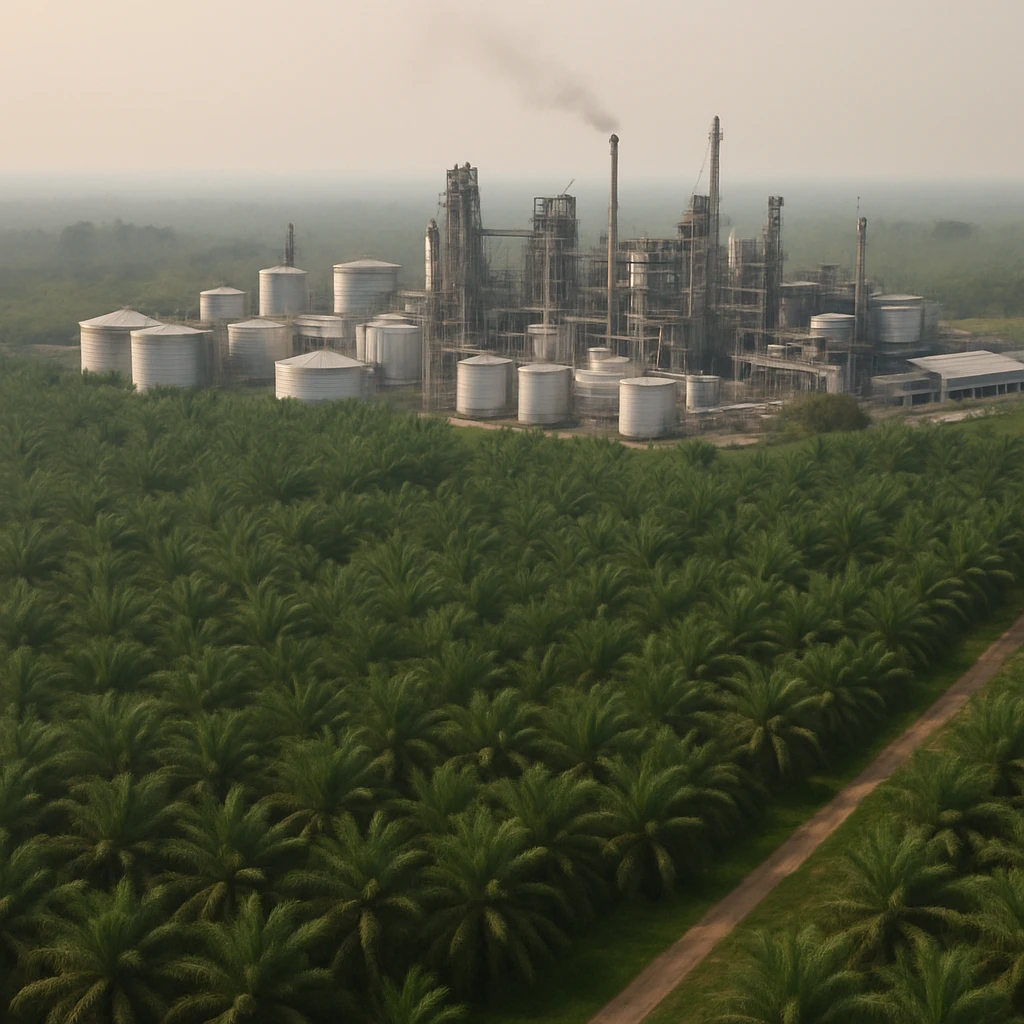
Palm oil futures extended gains on Wednesday, hitting a two-week high as bullish catalysts from Indonesia’s biodiesel mandate and El Niño supply fears outweighed broader vegetable oil market weakness.
Sources: ChemAnalyst; Jakarta Globe; BusinessToday Malaysia; ChemAnalyst; BioEnergy Times; електронна зернова біржа України
Futures rise on stronger rival oils and weak ringgit, while Indonesia’s B50 rollout and El Niño-driven output fears reshape the demand-supply balance.
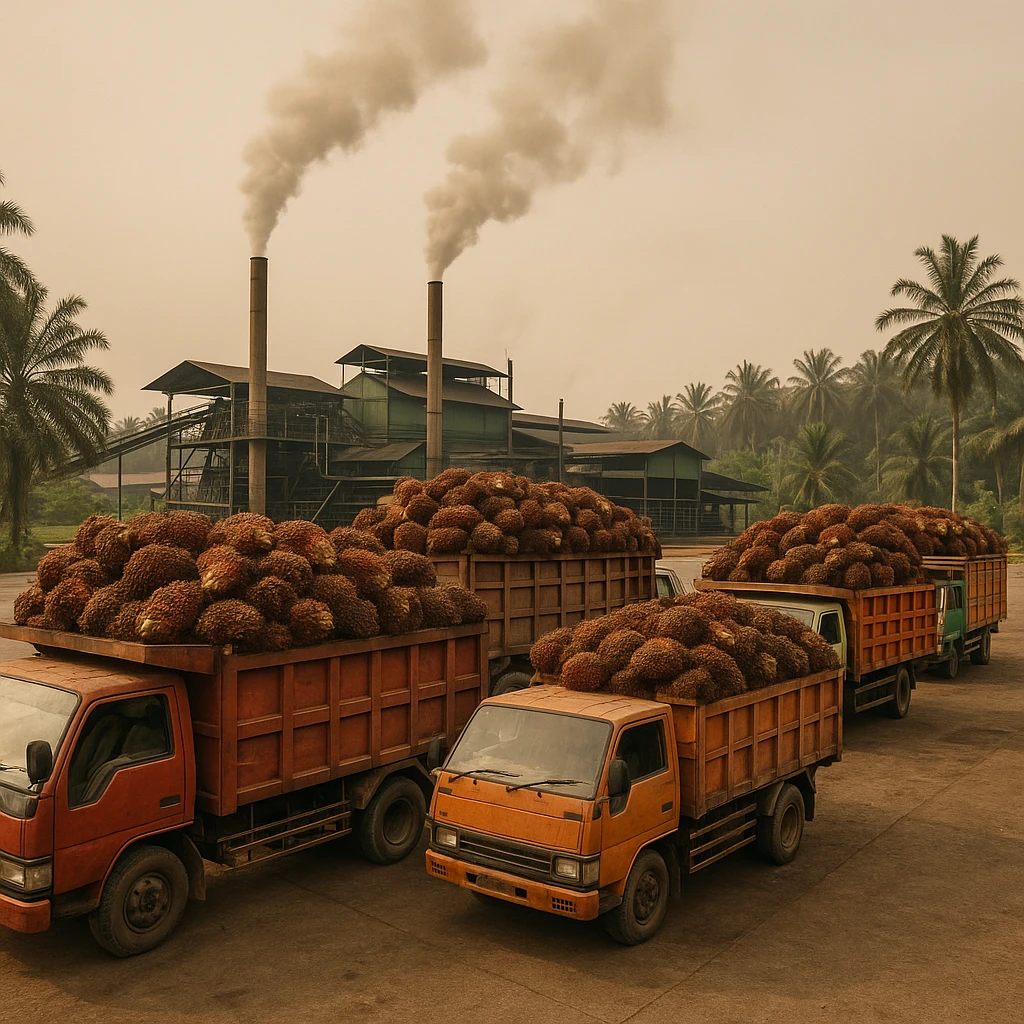
Malaysian palm oil futures bounced back on Wednesday, tracking gains in rival edible oils and crude oil, as a weaker ringgit added support. The rebound follows a volatile week where prices had slipped on profit-taking and softer export data.
El Niño’s lingering impact on Southeast Asian yields continues to dominate the supply narrative. HLIB has lifted its CPO price forecasts, citing the weather anomaly alongside Indonesia’s aggressive biodiesel push. Malaysia’s palm oil output is expected to decline in the 2026-27 season, tightening global availability just as demand from the fuel sector accelerates.
Industry body MPOC projects CPO prices will trade between MYR 4,400 and MYR 4,650 per tonne in July, reflecting the increasingly constrained supply picture.
Indonesia’s rollout of the B50 biodiesel mandate—requiring 50% palm oil-based fuel—is reshaping demand dynamics. While the policy supports energy self-sufficiency, analysts warn it risks straining food supplies and public finances. The mandate comes at a time when global crude oil prices have tumbled, raising questions about the economic viability of blending targets.
EU imports of Malaysian palm oil have risen year-on-year, signalling steady demand from the bloc despite ongoing deforestation regulations. In Asia, India’s market remains firm even as CPO export prices soften, with the country’s recent edible oil trade deal with China expected to boost soybean oil flows, potentially easing some pressure on palm oil.
With supply tightening and biofuel mandates locking in structural demand, palm oil prices are likely to remain supported near current levels. The key variable is crude oil: a sustained drop could undermine Indonesia’s B50 economics and shift the demand balance. Buyers should monitor biodiesel policy implementation and weather updates in Malaysia and Indonesia for signs of further supply disruption.
Sources: Reuters; Petroleum Australia; KLSE Screener; Finimize; SunSirs.com.; BioEnergy Times
Mixed signals as CPO prices rise on firming edible oils and weak ringgit, while Indonesia's B50 rollout and India-China trade deal reshape demand outlook.

Malaysian palm oil futures rebounded on Monday, tracking stronger edible oils and a weaker ringgit, after a volatile week that saw prices swing between gains and losses. The rebound comes despite expectations of inventories hitting a new high, underscoring the tug-of-war between supply pressure and demand optimism.
Crude palm oil export prices have softened in recent sessions, yet India's market remains firm, offering support. Malaysian CPO futures bounced back on the back of firmer rival oils and a softer ringgit, which makes palm more attractive to foreign buyers. The MPOC expects CPO prices to range between MYR4,400 and MYR4,650 per tonne in July, citing a tightening supply outlook.
Indonesia's B50 biodiesel mandate, now being rolled out, is reshaping global palm oil and energy markets. However, analysts warn the policy is risky, raising fiscal and food security concerns, especially as global oil prices have tumbled. The cost strain from lower crude prices could test the viability of the mandate, potentially curbing domestic palm oil consumption.
Meanwhile, India and China have signed an edible oil trade deal to expand soybean oil and meal trade, which could alter competitive dynamics for palm oil in the world's top import markets. The pact may boost soybean oil imports into India, potentially capping palm oil's premium.
The IVPA president highlighted that policy, energy, climate, and geopolitics will influence the global vegetable oil industry. Funds remain heavily bullish on soybean oil, with the July/December inversion nearing 2022 levels, signaling tight near-term supply. This bullishness in soybean oil provides a floor for palm oil prices.
For buyers, the near-term price range appears anchored around MYR4,400-4,650/tonne, but risks are tilted to the downside if B50 implementation falters or if India's shift toward soybean oil accelerates. Watch for weekly export data from Malaysia and Indonesia's biodiesel policy updates for directional cues.
Sources: Finimize; ALCHEMPro; 富途牛牛; TRIPURA STAR NEWS; ChemAnalyst; Jakarta Globe
Policy-driven domestic consumption tightens export availability, raising compliance risks for buyers.

Indonesia’s rollout of the B50 biodiesel mandate is emerging as the dominant structural factor in global palm oil markets this quarter. The policy, which mandates a 50% palm oil blend in diesel fuel, is redirecting a significant volume of crude palm oil from export channels into domestic energy use.
Industry estimates suggest the B50 program could reduce palm oil export volumes by the equivalent of $2.7 billion in value. This shift is already tightening global supply, particularly as concurrent El Niño concerns pressure production in key growing regions. Analysts have raised price forecasts for 2026-27, citing the combined effect of lower export availability and steady biodiesel demand.
The mandate is widely viewed as a key demand catalyst for the palm oil sector, providing a structural floor under consumption. For compliance-minded buyers, this means longer-term supply contracts may need to account for reduced export flexibility from Indonesia, which accounts for over half of global palm oil trade.
Despite its energy goals, the B50 mandate has drawn criticism over fiscal sustainability and food security risks. Critics argue that diverting edible oil into fuel could strain domestic cooking-oil supplies and inflate food costs. The policy also faces a test from lower global crude oil prices, which reduce the economic incentive for biodiesel blending.
For international buyers, the B50 rollout signals a structural shift in palm oil availability. Export premiums are likely to remain elevated, and price volatility may increase as the market adjusts to the new demand baseline. Compliance-focused procurement strategies should factor in potential supply disruptions and consider diversifying sources to include Malaysia and other origins.
The interplay between Indonesia’s biodiesel policy, climate risks and global energy markets will continue to shape palm oil trade flows. Buyers should monitor policy implementation closely, as any adjustments to the mandate could have outsized effects on price and supply dynamics.
Sources: Jakarta Globe; BusinessToday Malaysia; ChemAnalyst; TRIPURA STAR NEWS; Jakarta Globe
Indonesia’s biodiesel push and crop losses reshape global palm oil balances

The combination of Indonesia’s expanding B50 biodiesel mandate and El Niño-driven production shortfalls is tightening global palm oil supplies, with analysts revising price forecasts upward. The policy push comes as output in Malaysia is expected to decline in the 2026-27 season, adding to concerns about availability for both food and fuel uses.
Malaysian palm oil output is seen falling in the upcoming season as lingering El Niño effects reduce yields. This follows a period of already tight stocks, and the supply outlook has prompted HLIB to lift its crude palm oil price forecasts. The production drop in the world’s second-largest grower compounds the demand pressure from Indonesia’s biofuel mandate.
Indonesia began rolling out B50, a 50% palm oil-based biodiesel blend, in late June, a move that significantly increases domestic palm oil consumption. Analysts warn that the mandate could strain supplies, raising fiscal and food security concerns. The policy is designed to cut fuel imports and support energy independence, but its success hinges on sustained crude palm oil output and global oil prices.
The B50 rollout faces headwinds from falling global oil prices, which reduce the economic incentive for biodiesel blending. Lower crude prices make the mandate more costly for the government’s subsidy fund, potentially testing its fiscal sustainability. Meanwhile, food security advocates caution that diverting more palm oil to fuel could push up cooking oil costs and squeeze consumer budgets.
For buyers and refiners, the tightening supply-demand balance means higher and more volatile prices. Importers of palm oil for food and oleochemical uses may face competition from the biodiesel sector. Compliance-minded buyers should monitor Indonesia’s mandate implementation closely, as any policy adjustments could shift market dynamics rapidly. The interplay between energy policy and crop fundamentals will remain a key driver of palm oil prices through 2027.
Sources: KLSE Screener; BioEnergy Times; Jakarta Globe; Indonesia Business Post; Reuters
Palm oil diversion to fuel, fiscal strain and falling crude prices cloud the outlook for buyers.

Indonesia has formally rolled out its B50 biodiesel mandate, requiring a 50% palm oil blend in diesel fuel. The policy is the latest escalation in the country’s push to reduce fossil fuel imports and cut carbon emissions, but it is already drawing scrutiny from trade analysts and compliance-minded buyers.
B50 will divert an additional 5–6 million tonnes of crude palm oil annually into the domestic fuel pool, tightening export availability. Industry estimates suggest that even with current production levels, meeting the mandate could absorb nearly all of Indonesia’s expected export surplus. That squeeze is already visible in forward premiums for CPO delivered to Rotterdam and the Indian subcontinent.
Buyers who rely on Indonesian supply for food, oleochemicals or feed applications are now facing higher sourcing costs and longer lead times. Some are accelerating their shift toward Malaysian or Thai origins, though those markets also face their own biodiesel blending targets.
The mandate comes at a time when global crude oil prices have tumbled, eroding the economic case for biodiesel. With Brent crude hovering near multi-year lows, the subsidy required to keep B50 price-competitive at the pump has ballooned. Indonesia’s state-owned fuel retailer is already reporting cost overruns, and the government may be forced to either cap the mandate or increase levies on palm oil exports to fund the gap.
Export levies are a double-edged sword: they raise revenue for the biodiesel subsidy fund but also make Indonesian palm oil more expensive for foreign buyers. Several European and North American refiners have flagged that they are watching the levy situation closely, as any increase could further erode margins.
Domestic food-security advocates have warned that diverting more palm oil to fuel risks pushing up cooking-oil prices in Indonesia, where inflation remains a sensitive political issue. The government has pledged to maintain a domestic market obligation for cooking oil, but traders note that compliance has been uneven in previous mandate cycles.
For international buyers, the key question is whether Indonesia can sustain B50 without triggering a structural deficit in exportable supply. The answer will shape palm oil pricing dynamics for the next 12–18 months.
Palm Oil Economics will continue to track the fiscal mechanics of B50 and their implications for global trade flows.
Sources: TRIPURA STAR NEWS; Jakarta Globe; Indonesia Business Post; MSN; Reuters
What procurement managers and first-time buyers need to know about plot-level mapping and supply-chain transparency.
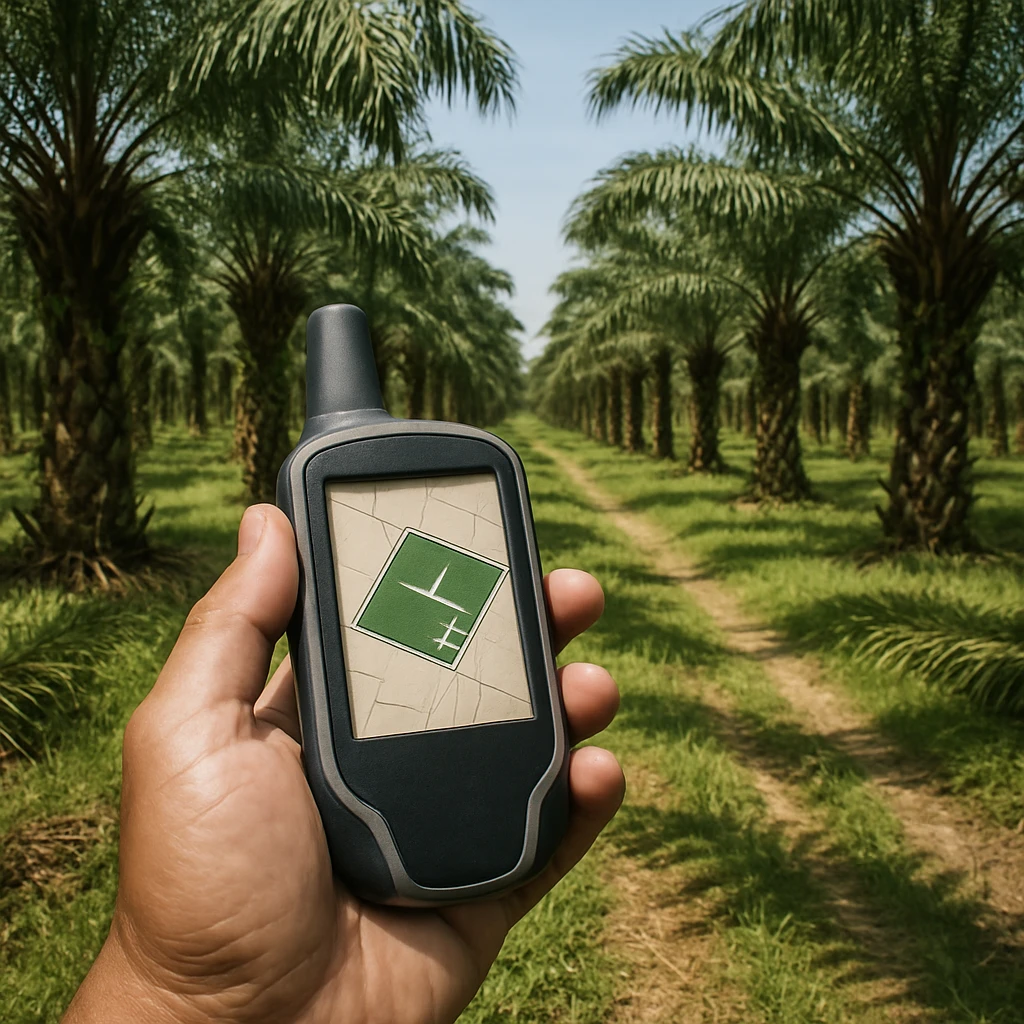
The European Union Deforestation Regulation (EUDR) requires that any palm oil product placed on the EU market must be deforestation-free. A central tool for proving this is geolocation data—precise coordinates of the land where the oil palm fruit was grown.
Geolocation data refers to the latitude and longitude coordinates of every plot of land where fresh fruit bunches are produced. For a plantation, this means the boundary of each individual field. For smallholders, it may be a single polygon or point per farm.
This data is not optional. Under EUDR, operators must collect and submit geolocation coordinates for all plots supplying their palm oil. The coordinates must be accurate to within a few meters and must be submitted to the EU’s information system before the product can be placed on the market.
Traceability is the chain of custody that connects a finished product back to the specific plots where the fruit was grown. Geolocation data is the foundation. Without it, an operator cannot verify that the fruit came from land free of deforestation after the December 2020 cut-off date.
In practice, a mill must know which farms or estates supply each batch of fruit. A refinery must know which mills supplied the crude palm oil. Each link in the supply chain must maintain records linking the product to the geolocation data of the producing plots.
First-time buyers should request from their suppliers a clear statement of how geolocation data is collected and stored. Key questions include:
Many large traders and mill groups already collect geolocation data for sustainability certifications. The EUDR requirement is more granular, often requiring plot-level data rather than estate-level.
Collecting accurate coordinates across thousands of smallholders is a logistical task. Some suppliers use mobile apps or field teams with GPS devices. Others rely on satellite imagery to define plot boundaries.
Data quality is also a concern. Inaccurate coordinates or missing plots can delay compliance. Buyers should verify that their suppliers have a robust system for updating and validating geolocation data.
Geolocation data is not just a regulatory checkbox. It is the core evidence that a supply chain is deforestation-free. For procurement managers, understanding how this data flows from plot to port is essential for managing risk and ensuring market access.
Understanding the fatty-acid profile that gives crude and refined palm oil its distinctive consistency.
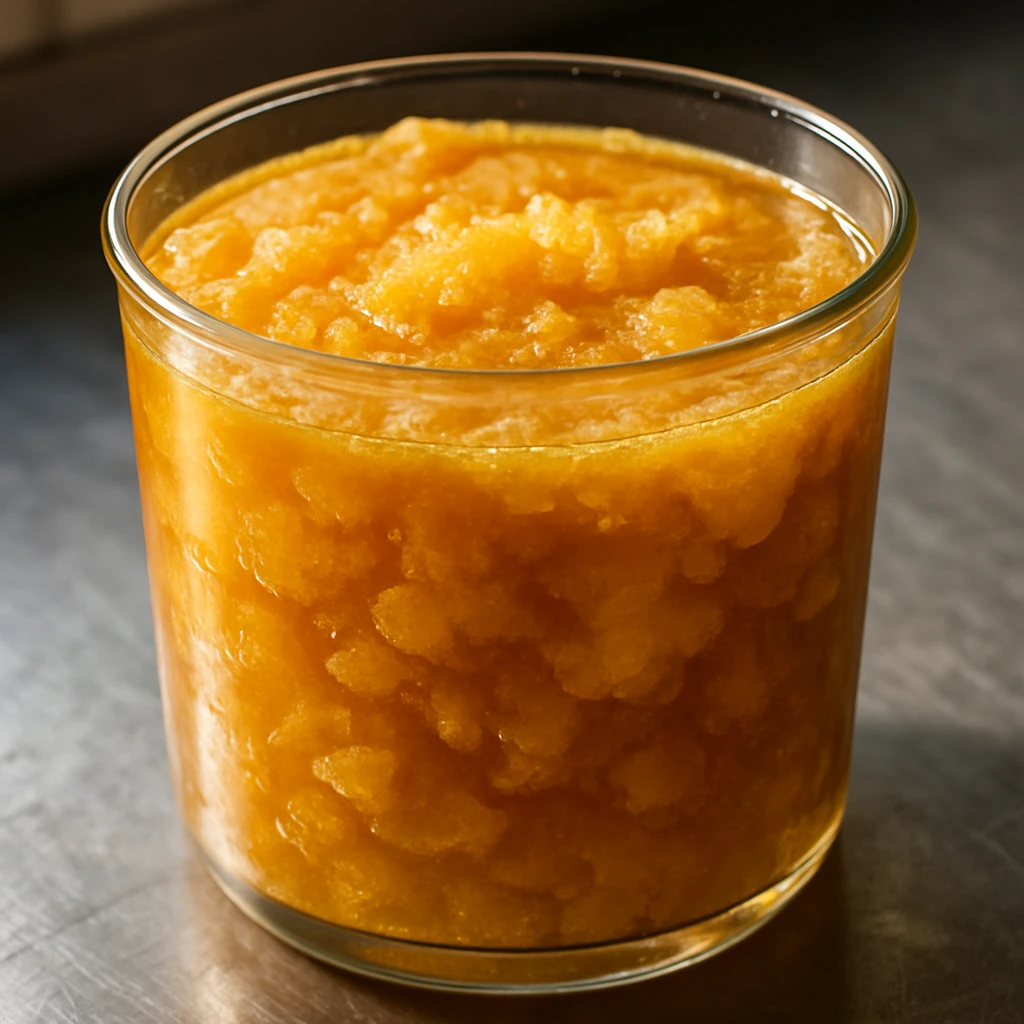
Palm oil’s semi-solid state at room temperature (typically 20–25°C) is a direct consequence of its fatty-acid composition. Unlike liquid vegetable oils such as soybean or sunflower, palm oil contains roughly equal proportions of saturated and unsaturated fatty acids.
About 50% of the fatty acids in palm oil are saturated—predominantly palmitic acid (C16:0) and smaller amounts of stearic acid (C18:0). The remaining 50% are unsaturated: oleic acid (a monounsaturated fat) and linoleic acid (a polyunsaturated fat).
Saturated fatty acids have straight molecular chains that pack tightly together, raising the melting point. Unsaturated fatty acids, with their double bonds, create kinks that prevent tight packing and lower the melting point. The balance between these two groups determines whether an oil remains liquid, semi-solid, or fully solid at room temperature.
Palm oil is composed of triglycerides—three fatty acids attached to a glycerol backbone. The specific arrangement of saturated and unsaturated fatty acids on the glycerol molecule influences the oil’s melting behaviour.
In palm oil, the dominant triglyceride is POP (palmitic-oleic-palmitic), which has a melting point around 30–35°C. This means that at typical ambient temperatures in tropical regions (28–32°C), palm oil appears liquid or very soft, while in cooler climates it solidifies into a semi-solid fat.
Crude palm oil (CPO) has a melting range of roughly 33–39°C. Refined, bleached, and deodorised palm oil (RBDPO) has a slightly narrower range, typically 33–37°C, depending on the degree of fractionation.
For procurement managers and first-time buyers, the semi-solid nature of palm oil affects handling, storage, and application.
Palm oil’s semi-solidity is similar to that of butter or coconut oil, both of which are high in saturated fats. In contrast, oils like rapeseed or sunflower remain liquid at room temperature due to their higher unsaturated fat content. This distinction is important for buyers selecting oils for specific food or industrial applications where solid fat content (SFC) matters.
Palm oil’s semi-solid state is a predictable, well-understood property rooted in its fatty-acid chemistry and triglyceride structure. For buyers, recognising this characteristic helps in planning storage logistics, selecting the right fraction for end-use, and avoiding confusion over physical appearance. It is not a quality issue but a defining feature of the commodity.
How the productivity of millions of independent growers influences availability and cost of sustainable palm oil.
Roughly 40% of global palm oil production comes from smallholder farmers—independent growers cultivating plots of a few hectares. Their output is not a niche; it is a structural pillar of the market. Yet their average yields are significantly lower than those of large plantations, often due to limited access to quality seedlings, fertilisers, and best agricultural practices.
Certified sustainable palm oil (CSPO) requires adherence to strict environmental and social standards. Many smallholders struggle to meet these requirements because certification involves costs for auditing, record-keeping, and continuous improvement. As a result, a large share of smallholder fruit enters the conventional supply chain, not the certified one.
When smallholder yields are low, the total volume of certified palm oil tightens. Procurement managers sourcing CSPO face a smaller pool of compliant material. This can lead to price premiums on certified oil and, in some periods, supply shortages for buyers committed to sustainability goals.
Raising smallholder yields—through better planting material, training, and access to finance—can increase the volume of fruit available for certification without expanding planted area. Higher yields per hectare reduce pressure on forests and improve farmer incomes, making certification more economically viable for them.
Certified-palm supply is not solely determined by large producers. Smallholder productivity is a fundamental variable. For first-time buyers, understanding this relationship clarifies why certified oil is sometimes scarce or expensive—and why investment in smallholder capacity is a strategic market factor, not just a sustainability talking point.
Procurement decisions that account for smallholder dynamics are better positioned to manage risk and ensure consistent access to certified material.
Our market desk connects serious buyers with vetted origin suppliers across Southeast Asia. Indicative pricing, specifications and shipment guidance — free of charge.
Get connected →Futures rise on stronger rival oils and weak ringgit, while Indonesia’s B50 rollout and El Niño-driven output fears reshape the demand-supply balance.
Full story — Page 2 ▸Mixed signals as CPO prices rise on firming edible oils and weak ringgit, while Indonesia's B50 rollout and India-China trade deal reshape demand outlook.
Full story — Page 2 ▸Policy-driven domestic consumption tightens export availability, raising compliance risks for buyers.
Full story — Page 2 ▸Indonesia’s biodiesel push and crop losses reshape global palm oil balances
Full story — Page 2 ▸Palm oil diversion to fuel, fiscal strain and falling crude prices cloud the outlook for buyers.
Full story — Page 2 ▸What procurement managers and first-time buyers need to know about plot-level mapping and supply-chain transparency.
Full story — Page 2 ▸Understanding the fatty-acid profile that gives crude and refined palm oil its distinctive consistency.
Full story — Page 2 ▸How the productivity of millions of independent growers influences availability and cost of sustainable palm oil.
Full story — Page 2 ▸Indonesia’s B50 rollout and tightening supply drive prices higher, but global demand pressures persist.
Palm oil futures extended gains on Wednesday, hitting a two-week high as bullish catalysts from Indonesia’s biodiesel mandate and El Niño supply fears outweighed broader vegetable oil market weakness.
Mixed signals as CPO prices rise on firming edible oils and weak ringgit, while Indonesia's B50 rollout and India-China trade deal reshape demand outlook.
Malaysian palm oil futures rebounded on Monday, tracking stronger edible oils and a weaker ringgit, after a volatile week that saw prices swing between gains and losses. The rebound comes despite expectations of inventories hitting a new high, underscoring the tug-of-war between supply pressure and demand optimism.
Crude palm oil export prices have softened in recent sessions, yet India's market remains firm, offering support. Malaysian CPO futures bounced back on the back of firmer rival oils and a softer ringgit, which makes palm more attractive to foreign buyers. The MPOC expects CPO prices to range between MYR4,400 and MYR4,650 per tonne in July, citing a tightening supply outlook.
Indonesia's B50 biodiesel mandate, now being rolled out, is reshaping global palm oil and energy markets. However, analysts warn the policy is risky, raising fiscal and food security concerns, especially as global oil prices have tumbled. The cost strain from lower crude prices could test the viability of the mandate, potentially curbing domestic palm oil consumption.
Meanwhile, India and China have signed an edible oil trade deal to expand soybean oil and meal trade, which could alter competitive dynamics for palm oil in the world's top import markets. The pact may boost soybean oil imports into India, potentially capping palm oil's premium.
The IVPA president highlighted that policy, energy, climate, and geopolitics will influence the global vegetable oil industry. Funds remain heavily bullish on soybean oil, with the July/December inversion nearing 2022 levels, signaling tight near-term supply. This bullishness in soybean oil provides a floor for palm oil prices.
For buyers, the near-term price range appears anchored around MYR4,400-4,650/tonne, but risks are tilted to the downside if B50 implementation falters or if India's shift toward soybean oil accelerates. Watch for weekly export data from Malaysia and Indonesia's biodiesel policy updates for directional cues.
Sources: Finimize; ALCHEMPro; 富途牛牛; TRIPURA STAR NEWS; ChemAnalyst; Jakarta Globe
Palm oil diversion to fuel, fiscal strain and falling crude prices cloud the outlook for buyers.
Indonesia has formally rolled out its B50 biodiesel mandate, requiring a 50% palm oil blend in diesel fuel. The policy is the latest escalation in the country’s push to reduce fossil fuel imports and cut carbon emissions, but it is already drawing scrutiny from trade analysts and compliance-minded buyers.
B50 will divert an additional 5–6 million tonnes of crude palm oil annually into the domestic fuel pool, tightening export availability. Industry estimates suggest that even with current production levels, meeting the mandate could absorb nearly all of Indonesia’s expected export surplus. That squeeze is already visible in forward premiums for CPO delivered to Rotterdam and the Indian subcontinent.
Buyers who rely on Indonesian supply for food, oleochemicals or feed applications are now facing higher sourcing costs and longer lead times. Some are accelerating their shift toward Malaysian or Thai origins, though those markets also face their own biodiesel blending targets.
The mandate comes at a time when global crude oil prices have tumbled, eroding the economic case for biodiesel. With Brent crude hovering near multi-year lows, the subsidy required to keep B50 price-competitive at the pump has ballooned. Indonesia’s state-owned fuel retailer is already reporting cost overruns, and the government may be forced to either cap the mandate or increase levies on palm oil exports to fund the gap.
Export levies are a double-edged sword: they raise revenue for the biodiesel subsidy fund but also make Indonesian palm oil more expensive for foreign buyers. Several European and North American refiners have flagged that they are watching the levy situation closely, as any increase could further erode margins.
Domestic food-security advocates have warned that diverting more palm oil to fuel risks pushing up cooking-oil prices in Indonesia, where inflation remains a sensitive political issue. The government has pledged to maintain a domestic market obligation for cooking oil, but traders note that compliance has been uneven in previous mandate cycles.
For international buyers, the key question is whether Indonesia can sustain B50 without triggering a structural deficit in exportable supply. The answer will shape palm oil pricing dynamics for the next 12–18 months.
Palm Oil Economics will continue to track the fiscal mechanics of B50 and their implications for global trade flows.
Sources: TRIPURA STAR NEWS; Jakarta Globe; Indonesia Business Post; MSN; Reuters
How the productivity of millions of independent growers influences availability and cost of sustainable palm oil.
Roughly 40% of global palm oil production comes from smallholder farmers—independent growers cultivating plots of a few hectares. Their output is not a niche; it is a structural pillar of the market. Yet their average yields are significantly lower than those of large plantations, often due to limited access to quality seedlings, fertilisers, and best agricultural practices.
Certified sustainable palm oil (CSPO) requires adherence to strict environmental and social standards. Many smallholders struggle to meet these requirements because certification involves costs for auditing, record-keeping, and continuous improvement. As a result, a large share of smallholder fruit enters the conventional supply chain, not the certified one.
When smallholder yields are low, the total volume of certified palm oil tightens. Procurement managers sourcing CSPO face a smaller pool of compliant material. This can lead to price premiums on certified oil and, in some periods, supply shortages for buyers committed to sustainability goals.
Raising smallholder yields—through better planting material, training, and access to finance—can increase the volume of fruit available for certification without expanding planted area. Higher yields per hectare reduce pressure on forests and improve farmer incomes, making certification more economically viable for them.
Certified-palm supply is not solely determined by large producers. Smallholder productivity is a fundamental variable. For first-time buyers, understanding this relationship clarifies why certified oil is sometimes scarce or expensive—and why investment in smallholder capacity is a strategic market factor, not just a sustainability talking point.
Procurement decisions that account for smallholder dynamics are better positioned to manage risk and ensure consistent access to certified material.
Our market desk connects serious buyers with vetted origin suppliers across Southeast Asia. Indicative pricing, specifications and shipment guidance — free of charge.
Get connected →Palm oil diversion to fuel, fiscal strain and falling crude prices cloud the outlook for buyers.
Full story — Page 2 ▸How the productivity of millions of independent growers influences availability and cost of sustainable palm oil.
Full story — Page 2 ▸Mixed signals as CPO prices rise on firming edible oils and weak ringgit, while Indonesia's B50 rollout and India-China trade deal reshape demand outlook.
Malaysian palm oil futures rebounded on Monday, tracking stronger edible oils and a weaker ringgit, after a volatile week that saw prices swing between gains and losses. The rebound comes despite expectations of inventories hitting a new high, underscoring the tug-of-war between supply pressure and demand optimism.
Crude palm oil export prices have softened in recent sessions, yet India's market remains firm, offering support. Malaysian CPO futures bounced back on the back of firmer rival oils and a softer ringgit, which makes palm more attractive to foreign buyers. The MPOC expects CPO prices to range between MYR4,400 and MYR4,650 per tonne in July, citing a tightening supply outlook.
Indonesia's B50 biodiesel mandate, now being rolled out, is reshaping global palm oil and energy markets. However, analysts warn the policy is risky, raising fiscal and food security concerns, especially as global oil prices have tumbled. The cost strain from lower crude prices could test the viability of the mandate, potentially curbing domestic palm oil consumption.
Meanwhile, India and China have signed an edible oil trade deal to expand soybean oil and meal trade, which could alter competitive dynamics for palm oil in the world's top import markets. The pact may boost soybean oil imports into India, potentially capping palm oil's premium.
The IVPA president highlighted that policy, energy, climate, and geopolitics will influence the global vegetable oil industry. Funds remain heavily bullish on soybean oil, with the July/December inversion nearing 2022 levels, signaling tight near-term supply. This bullishness in soybean oil provides a floor for palm oil prices.
For buyers, the near-term price range appears anchored around MYR4,400-4,650/tonne, but risks are tilted to the downside if B50 implementation falters or if India's shift toward soybean oil accelerates. Watch for weekly export data from Malaysia and Indonesia's biodiesel policy updates for directional cues.
Mixed signals: Malaysian futures edge up, but export prices ease and B50 risks linger.
Malaysian palm oil futures rebounded on Monday, supported by a weaker ringgit and strength in rival edible oils, after closing lower last week. The recovery comes despite softer crude palm oil export prices and ongoing uncertainty over Indonesia's B50 biodiesel mandate.
After posting a second straight weekly drop, benchmark futures found a floor as the ringgit weakened against the US dollar, making palm oil more attractive for foreign buyers. The Malaysian Palm Oil Council (MPOC) expects crude palm oil prices to range between MYR 4,400 and MYR 4,650 per tonne in July, citing a tightening supply outlook. This forecast provides a reference band for traders amid volatile conditions.
However, softer rival oils and a firmer crude oil market limited upside gains. Export prices have softened, though India's market remains firm, offering a degree of demand support.
Indonesia's rollout of the B50 biodiesel mandate continues to stir debate. Analysts and industry voices flag fiscal and food security risks, especially as global crude oil prices have tumbled. The mandate, which increases palm oil-based biodiesel blending, could divert significant volumes from the food market. Critics argue the policy is a risky path that may strain government budgets and raise domestic cooking oil costs.
India and China signed an edible oil trade agreement last week aimed at expanding soybean oil and meal trade. This deal could reshape regional vegetable oil import patterns, potentially increasing competition for palm oil in the Indian market. India remains the world's largest palm oil buyer, and any shift toward soybean oil could pressure palm oil demand.
Industry leaders at the International Vegetable Oil Association (IVPA) highlight that policy, energy, climate, and geopolitics will be key influences on global vegetable oil markets. Funds remain heavily bullish on soybean oil, with the July/December inversion approaching levels not seen since 2022. Rising biofuel demand continues to tighten vegetable oil supplies across the board.
Watch for further clarity on Indonesia's B50 implementation and crude oil price trends. The ringgit's trajectory and India's evolving import mix will also be critical near-term price drivers.
Sources: ALCHEMPro; TRIPURA STAR NEWS; ChemAnalyst; Jakarta Globe; NST Online; UkrAgroConsult
Malaysian CPO benchmark near $1087/MT with neutral-to-slightly-bearish bias
Malaysian crude palm oil futures edged lower in recent sessions, pressured by weaker crude oil prices and softening demand from India. The benchmark CPO is trading around $1087 per tonne, reflecting a cautious tone in the market. Our model outlook indicates a neutral-to-slightly-bearish near-term bias as conflicting forces play out.
India's June palm oil imports fell to a 14-month low, signaling reduced buying interest from the world's largest vegetable oil importer. Dealers attribute the slowdown to cheaper competing oils and ample domestic stocks. Meanwhile, Indonesia's rollout of the B50 biodiesel mandate—blending 50% palm-based biodiesel—continues to reshape global markets. However, the mandate faces a test after global oil prices tumbled, potentially straining the economics of higher blends. Indonesia has pushed ahead with B50, which should provide underlying demand support for CPO, but the near-term impact may be muted if crude remains weak.
El Niño conditions persist, historically supporting palm oil prices due to drier weather in key growing regions. However, the current dry spell in Kalimantan and Sumatra could curb production in the short term. The El Niño effect typically lifts prices before production pain sets in later. For now, the weather premium is balanced by the demand headwinds.
The EU is reportedly planning to extend its deforestation regulation to cover palm-derived chemicals, adding another layer of regulatory risk for exporters. This could complicate supply chains and raise compliance costs for producers targeting the European market. The news adds to the bearish sentiment around regulatory headwinds.
Our model outlook sees CPO prices drifting lower with intermittent bounces. The combination of weak crude oil, soft Indian demand, and dry weather in key regions creates a tug-of-war. On one side, Indonesia's B50 mandate and El Niño support prices; on the other, tumbling crude and slack demand weigh.
Monitor India's import pace and crude oil trends closely; any pickup in Indian demand or stabilization in crude could trigger short-term bounces. Also watch for updates on Indonesia's biodiesel mandate implementation and EU deforestation rules, as these will shape the longer-term demand and regulatory landscape.
Sources: inkl; Bernama; The Edge Malaysia; Reuters; Euractiv
Fiscal strain and food security fears cloud the world’s most ambitious biodiesel programme.
Indonesia has begun rolling out its B50 biodiesel mandate, a policy that requires a 50% palm oil blend in diesel fuel. The move is the most aggressive biofuel target globally and is set to reshape palm oil supply-demand balances just as crude oil prices tumble.
B50 will absorb significantly more crude palm oil (CPO) than the previous B35 mandate. Analysts estimate the programme could divert 3-4 million tonnes of CPO from export markets into domestic fuel consumption each year. For compliance-minded buyers, this means tighter global palm oil availability and potentially higher premiums for sustainably certified product.
However, the policy’s timing is awkward. Global oil prices have fallen sharply in recent weeks, undercutting the economics of biodiesel blending. When crude is cheap, the subsidy required to make palm-based fuel competitive grows, placing a heavy burden on Indonesia’s state budget.
Industry observers have flagged the fiscal strain of B50. The Indonesian government must compensate fuel retailers for the gap between biodiesel production costs and the pump price of fossil diesel. With oil revenues declining, financing these subsidies could prove challenging.
Food security concerns are also rising. Diverting more palm oil into fuel reduces the volume available for cooking oil and processed foods, both domestically and for export. Past episodes of high CPO prices have sparked domestic unrest in Indonesia, making the government sensitive to supply tightness.
For international palm oil buyers, the B50 rollout signals a structural shift. Indonesia is prioritising energy self-sufficiency over export maximisation. This could keep CPO prices supported even if global vegetable oil demand softens.
Compliance-focused importers, especially those in Europe and North America, should monitor Indonesia’s subsidy mechanism and any adjustments to export levies. If the government raises levies to fund B50, that would further raise the cost of Indonesian palm oil relative to rival oils such as soybean or rapeseed.
The IVPA president recently noted that policy, energy, climate and geopolitics are all converging to influence the global vegetable oil industry. Indonesia’s B50 is a prime example of how domestic energy policy can ripple through international commodity markets. Buyers should prepare for a market where palm oil supply is increasingly driven by fuel mandates, not food demand.
Sources: TRIPURA STAR NEWS; Jakarta Globe; Indonesia Business Post; MSN; Reuters
A practical guide for buyers on how geography, weather and port logistics shape delivery windows.
Lead times for palm oil cargoes are not fixed; they shift with origin country, seasonal weather patterns and local port infrastructure. For procurement managers and first-time buyers, understanding these variables is essential for planning inventory and avoiding costly delays.
Indonesia is the world’s largest palm oil producer. Its main export hubs—Belawan, Dumai and Tanjung Priok—are spread across Sumatra and Kalimantan. Cargoes from Sumatra’s east coast typically load faster due to deeper berths and more frequent vessel calls. Kalimantan ports, often shallower and less congested, can add several days to loading time. Buyers sourcing from remote mills may also face longer inland trucking or barge legs.
Malaysia operates a more compact network of ports in Peninsular Malaysia and Sabah/Sarawak. Peninsular ports like Port Klang and Pasir Gudang have modern infrastructure and consistent throughput. Sabah and Sarawak, while rich in supply, rely on smaller ports that can be slower in peak harvest months. Malaysian lead times are generally shorter than Indonesian ones for standard FOB contracts.
Other origins—such as Thailand, Colombia or West African producers—have smaller export volumes and less frequent shipping lines. Lead times from these origins can be longer, partly because buyers must wait for consolidation or transshipment at regional hubs.
Monsoon seasons disrupt loading across Southeast Asia. The northeast monsoon (November to March) brings heavy rains and high winds to Malaysia’s east coast and Indonesia’s Sumatra. Port operations slow, and barge deliveries from inland plantations become erratic. Lead times can stretch by one to two weeks during peak monsoon months.
Harvest cycles also matter. The main harvest peak in Indonesia and Malaysia runs from July to November. During this period, ports see higher throughput, which can cause congestion and longer waiting times for berths. Conversely, the low-season months (January to March) often offer shorter lead times as port traffic eases.
Understanding these dynamics helps procurement teams set realistic delivery expectations and negotiate more resilient contracts. Palm Oil Economics tracks lead-time trends across all major origins to support informed buying decisions.
A practical guide to understanding palm-based shortenings for procurement and first-time buyers.
Shortening is a solid fat used in baking to create tender, flaky, and structured products like pastries, cookies, and cakes. Unlike butter or margarine, shortening is 100% fat with no water, giving it unique functional properties. Palm oil and its fractions are among the most common base materials for commercial shortenings due to their versatility and consistent supply.
Palm oil is naturally semi-solid at room temperature. Through fractionation, it is separated into two main components: - Palm olein: the liquid fraction, rich in unsaturated fats - Palm stearin: the solid fraction, rich in saturated fats
By blending different ratios of olein and stearin, manufacturers can create shortenings with tailored melting points, plasticity, and crystal structure. This allows customisation for specific bakery applications.
Typical palm-based shortenings combine: - Palm stearin for solid structure and heat resistance - Palm olein for spreadability and mouthfeel - Fully hydrogenated palm oil (if needed) to increase solid fat content without trans fats - Emulsifiers (e.g., mono- and diglycerides) to improve aeration and crumb texture
The blend is then tempered and crystallised to achieve a smooth, plastic consistency that creams easily with sugar and holds air during mixing.
When sourcing palm-based shortening, consider: - Solid fat content (SFC) at different temperatures (e.g., at 10°C, 20°C, and 37°C) – determines plastic range and mouthfeel - Melting point – should match the intended application (e.g., 32–36°C for all-purpose) - Crystal form – beta-prime crystals are preferred for smoothness and aeration - Oxidative stability – important for products with long shelf life
Request a spec sheet showing SFC curve, melting point, and fatty acid composition to verify the shortening suits your bakery's needs.
Understanding these fundamentals will help you evaluate palm-based shortenings with confidence, ensuring consistent quality in your finished products.
Our market desk connects serious buyers with vetted origin suppliers across Southeast Asia. Indicative pricing, specifications and shipment guidance — free of charge.
Get connected →Malaysian CPO benchmark near $1087/MT with neutral-to-slightly-bearish bias
Full story — Page 2 ▸Fiscal strain and food security fears cloud the world’s most ambitious biodiesel programme.
Full story — Page 2 ▸A practical guide for buyers on how geography, weather and port logistics shape delivery windows.
Full story — Page 2 ▸A practical guide to understanding palm-based shortenings for procurement and first-time buyers.
Full story — Page 2 ▸